




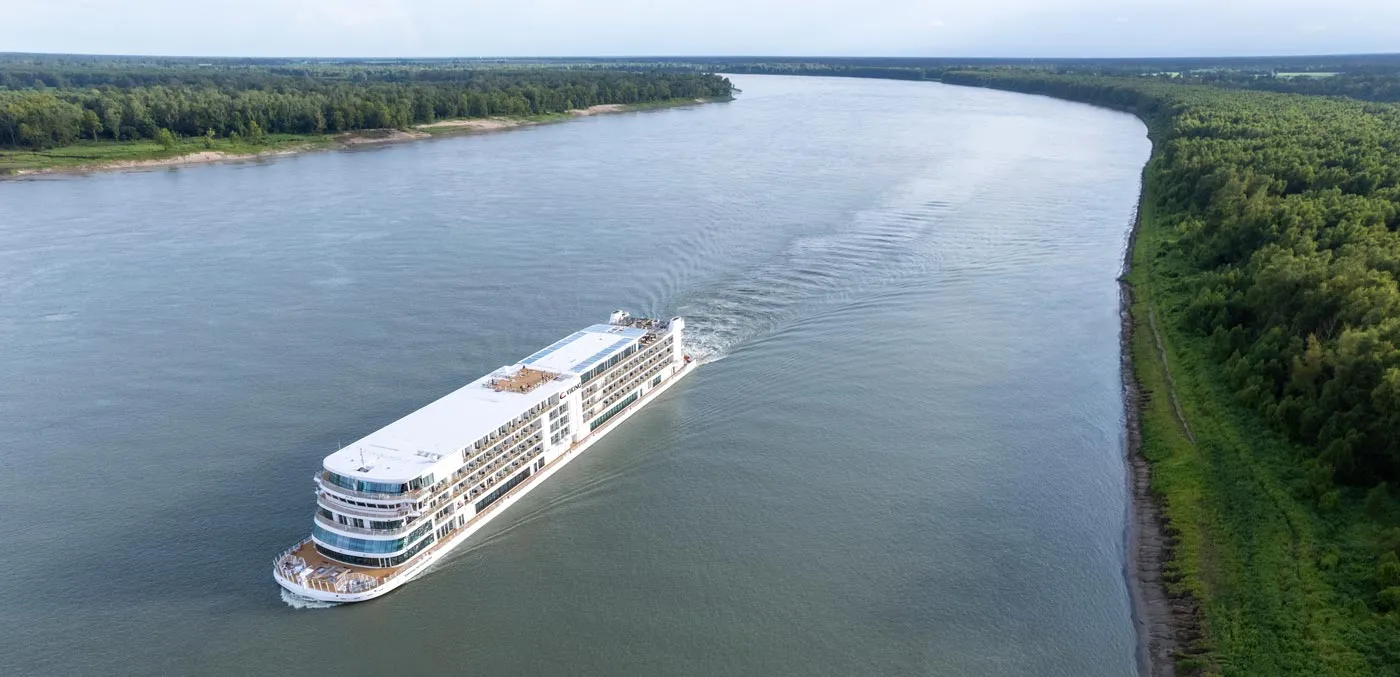
There’s history aplenty to unpack on the mighty Mississippi, and a Viking Cruises river voyage offers a deep dive into the Deep South, as Guy Dundas discovers.
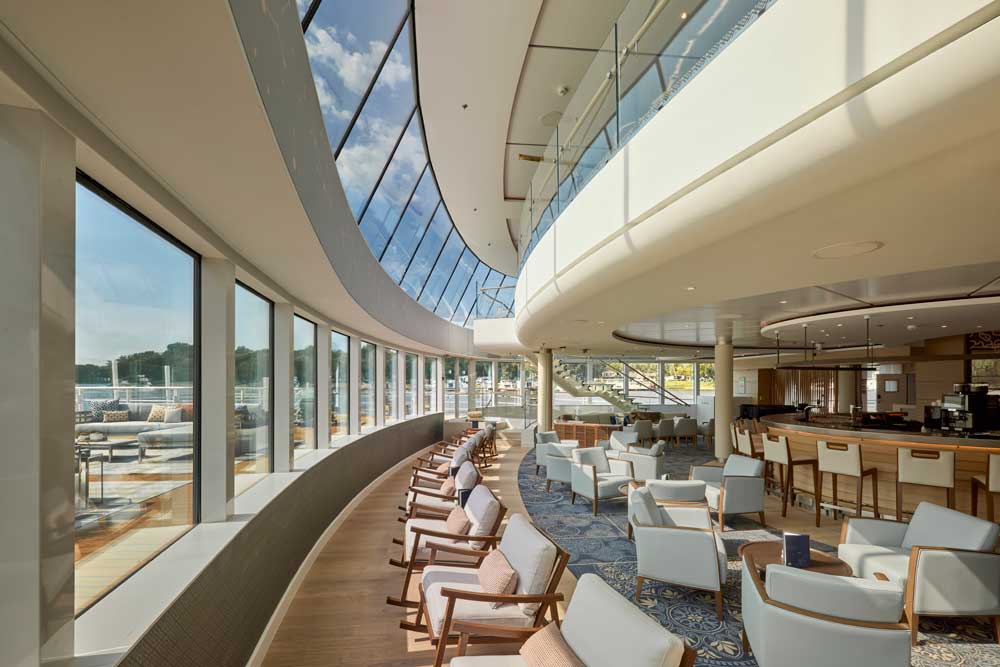
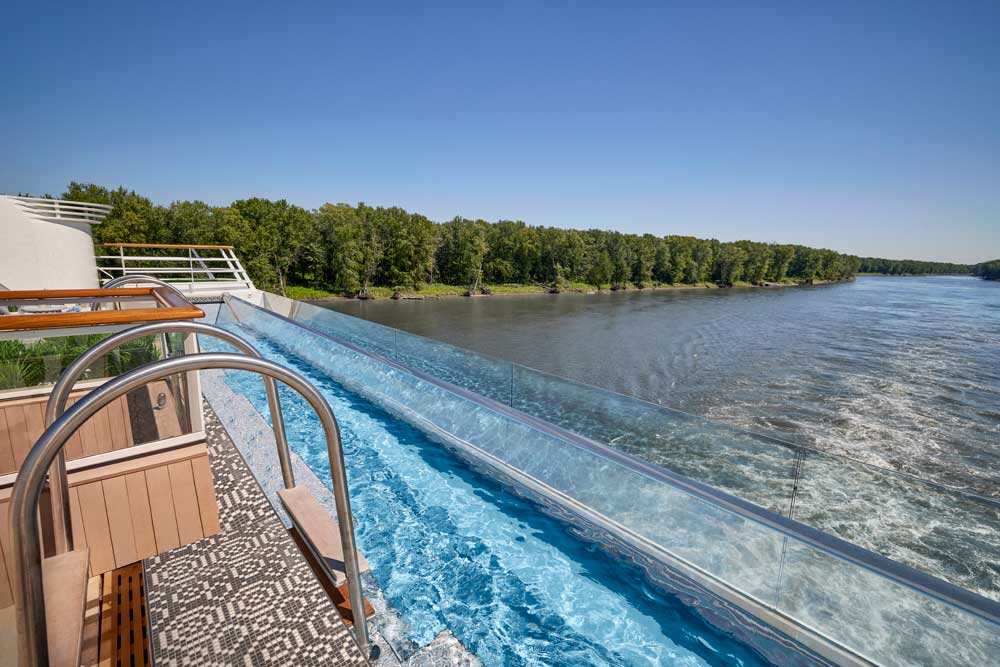
A working river with a vicious current, the first few days sailing from New Orleans on the Mississippi Delta are slow going, pushing into choppy waters as dozens of barges pass us by in the opposite direction, waves smashing across their bows. Viking Mississippi cuts through the chop with apparent ease and comfort. With a capacity of 386 guests, the five-deck vessel has the most modern design on these waters. Constructed in the United States, purpose-built for the Mississippi, the ship has been in operation for three years. The design shares many similar touchpoints as the Viking Longships on European rivers, carrying a similar Scandinavian design that Viking is known for, and common public spaces for a level of familiarity.
Our days are spent exploring the ecosystems and wildlife of swamps and bayous, unlocking the infamous battlefield of Vicksburg, delving into the history and significance of Black Church music and the soul food of chef Stella Frye (fried okra, black-eyed peas and candied yam) in the riverside town of Natchez. In Greenville, the journey focuses on music from the Deep South, with a private performance of Steve Azar’s Mississippi show, followed by a visit to the B.B. King Museum. In Memphis, where the cruise element of this journey concludes, a tour of Elvis Presley’s Graceland and the extensive museums do not disappoint.
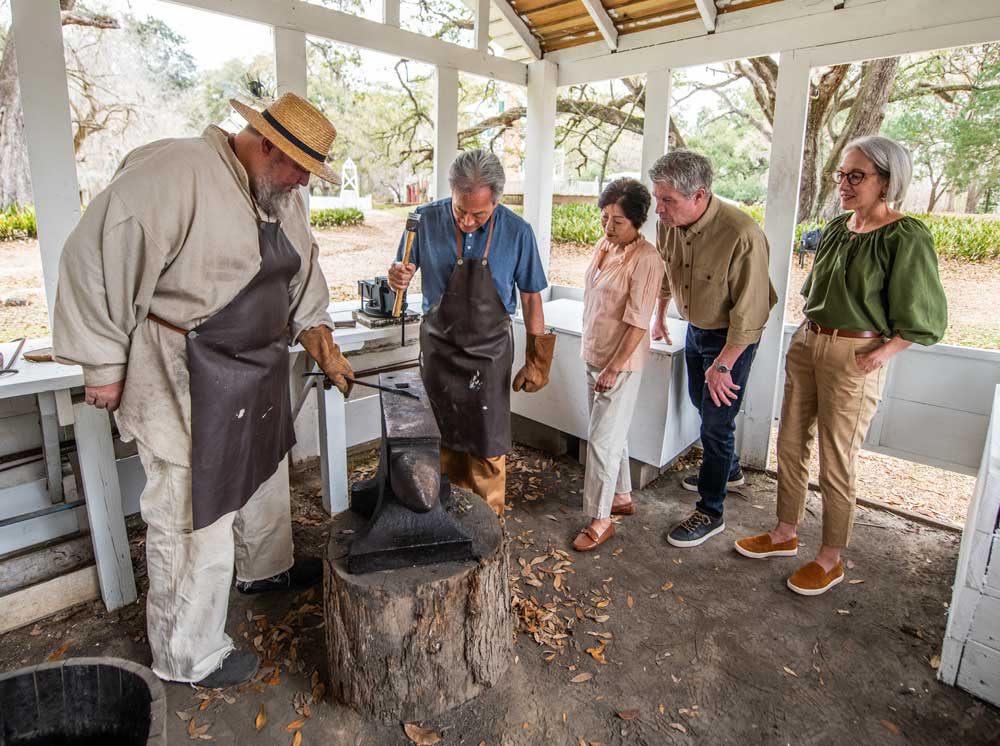
A historic homestead visit
Rosedown Plantation, a State Historic Site, is accessed from the port of Saint Francisville on the Mississippi, a couple of days’ sailing north from New Orleans to Memphis.
Spanish moss drapes languidly from dozens of centuries-old oak trees that flank an impressive 200m tree corridor leading to the grand front porch of Rosedown Plantation. Four striking goddess-like marble sculptures are found in the landscaped gardens in the forecourt of the historic homestead, established by the wealthy Daniel and Martha Turnbull. In its heyday, in the 1820s-40s, the plantation in southern Louisiana comprised 1400 hectares of crops (mainly cotton fields), making Turnbull one of the richest men in the United States.
The centrepiece of the estate is the two-storey, six-bedroom house of the Turnbulls. Just 10 years shy of marking its 200-year anniversary, the property was fitted with some of the finest furnishings available. Many pieces were imported from Europe, or arrived from locations north of the Creole State, on the mighty Mississippi River.
The house, with its grand six-balustrade façade and dual-level portico, is surrounded by seven hectares of ornamental gardens and hedges, featuring azaleas, camellias, osmanthus and Japanese wisteria, to name a few. Enslaved gardeners at Rosedown, once numbering in the hundreds, were tasked with the upkeep of the gardens that still surround the home.
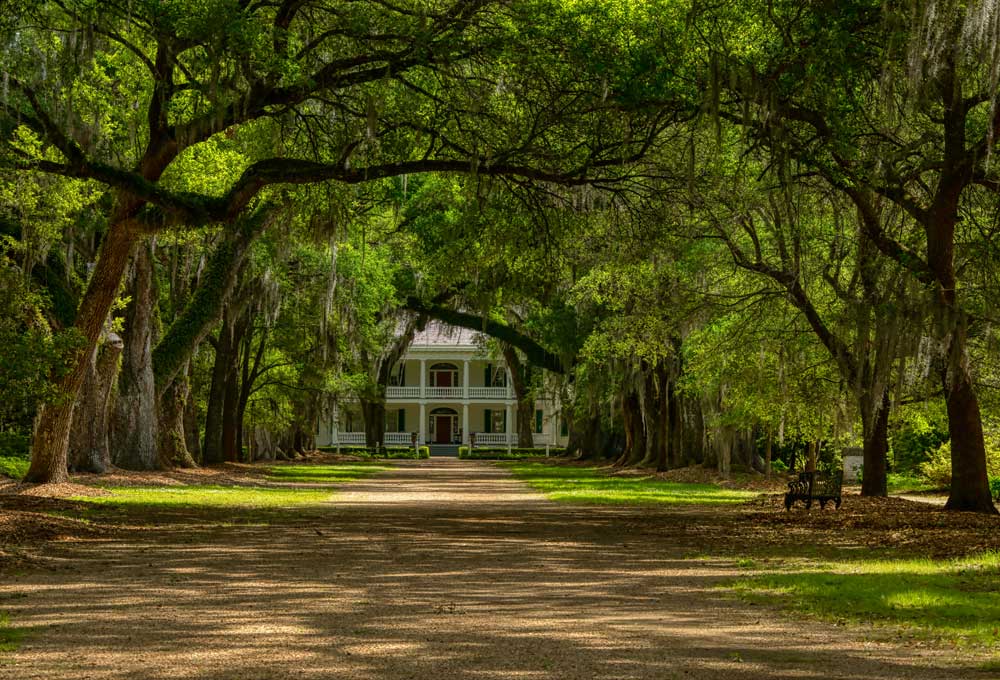
Our volunteer guide at the site explains that the grounds were inspired by the great formal gardens of Italy, France and England, visited by the Turnbulls on their European Grand Tour in the 1850s – an educational rite of passage for wealthy young men in that era.
The women warriors that overlook pathways that weave through the gardens are replicas of the original Carrara marble Italian sculptures the Turnbulls had designed on one of their numerous trips to Europe. Each of the statues, individually representing the four continents known at the time, sit perched on brick pedestals.
America is represented by tobacco, with the woman adorned in a tobacco leaf skirt and crown. Over her shoulder is a mysterious alligator-like creature, based off vague drawings of the reptile, all that was available to the sculptor in the 1850s. Asia is represented by a camel and pearls; Africa, by a lion and tortoiseshell headrest; while the European woman poses with a horse and jewelled crown. Our State Park guide explains that the women representing America, Asia and Africa feature weapons in their hands and stand ready in “battle mode.” Whereas the European lady is “in a soft gentle mode, patting a horse, staring off into space, thinking good thoughts.”
“The story they are trying to impress upon you is that these civilisations are the barbarians of the world, and it’s only the Europeans who are the civilised intellectuals,” our guide explains.
The onboard experience
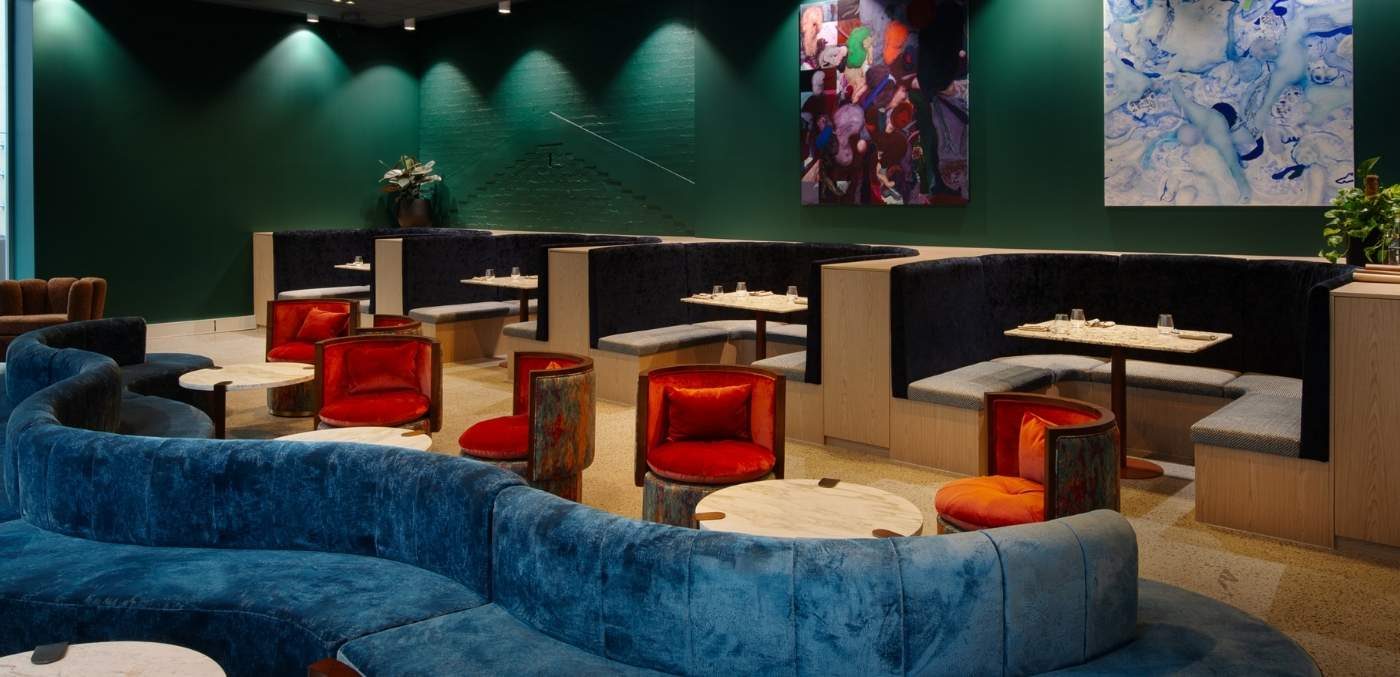
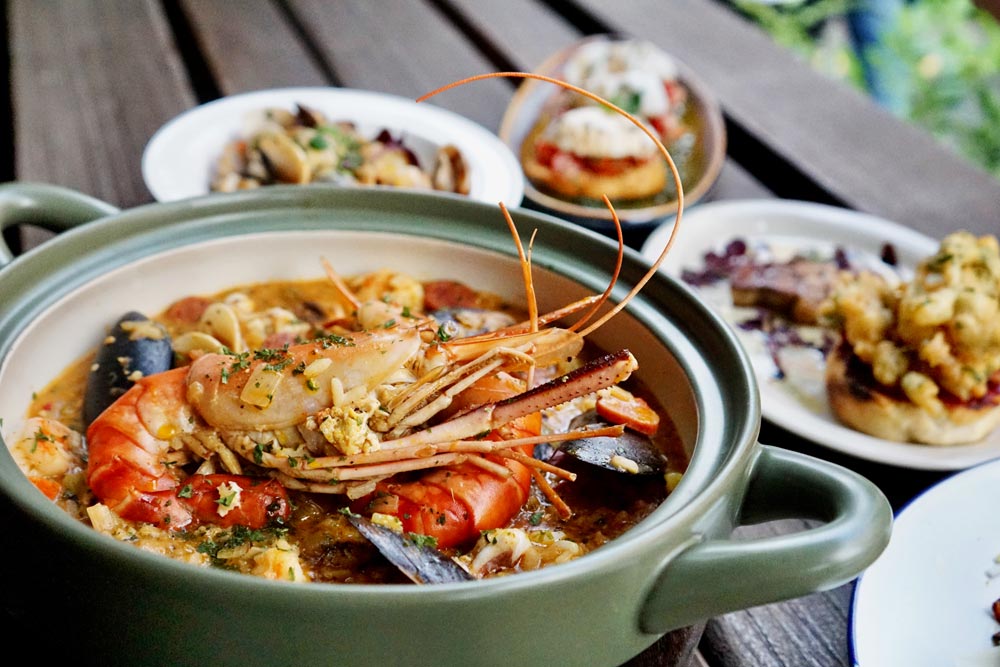
The Deluxe Veranda stateroom has all the comforts expected on a high-end ship, including heated floors in the bathroom and beverages restocked daily. Dining on board is first class. When not feasting on a curated selection of chef-crafted dishes in The Restaurant on Deck 1, the River Café and adjoining Aquavit Terrace on the upper deck offer a constantly changing menu of Classic European dishes, complemented by American favourites. Just as you’d expect in the South.