




Signature’s editor, Christian Barker, shares how to pack for a safari without compromising on style. Here, he outlines his top 10 strategies for navigating strict luggage limits while upholding sartorial standards on a luxury safari.
On my first African safari, I overpacked catastrophically – two duffels, to the barely concealed amusement of a fellow traveller: the editor of Vogue Singapore, who managed the entire trip on half as much luggage and still looked impeccable (Margiela tabi cowboy boots and all). For my second journey into the heart of darkness, I was determined to do better.
My hosts, Abercrombie & Kent, made it non-negotiable. A week before departure, strict instructions arrived along with a regulation A&K soft overnight bag: one checked piece, 15 kilograms maximum. Soft bags are mandatory on the small bush planes that connect camps, as hard-sided luggage simply doesn’t fit in the hold. As a chronic excess luggage culprit, serious strategisation was required. Here are the principles I followed to stay underweight – while dressing both practically and immaculately.
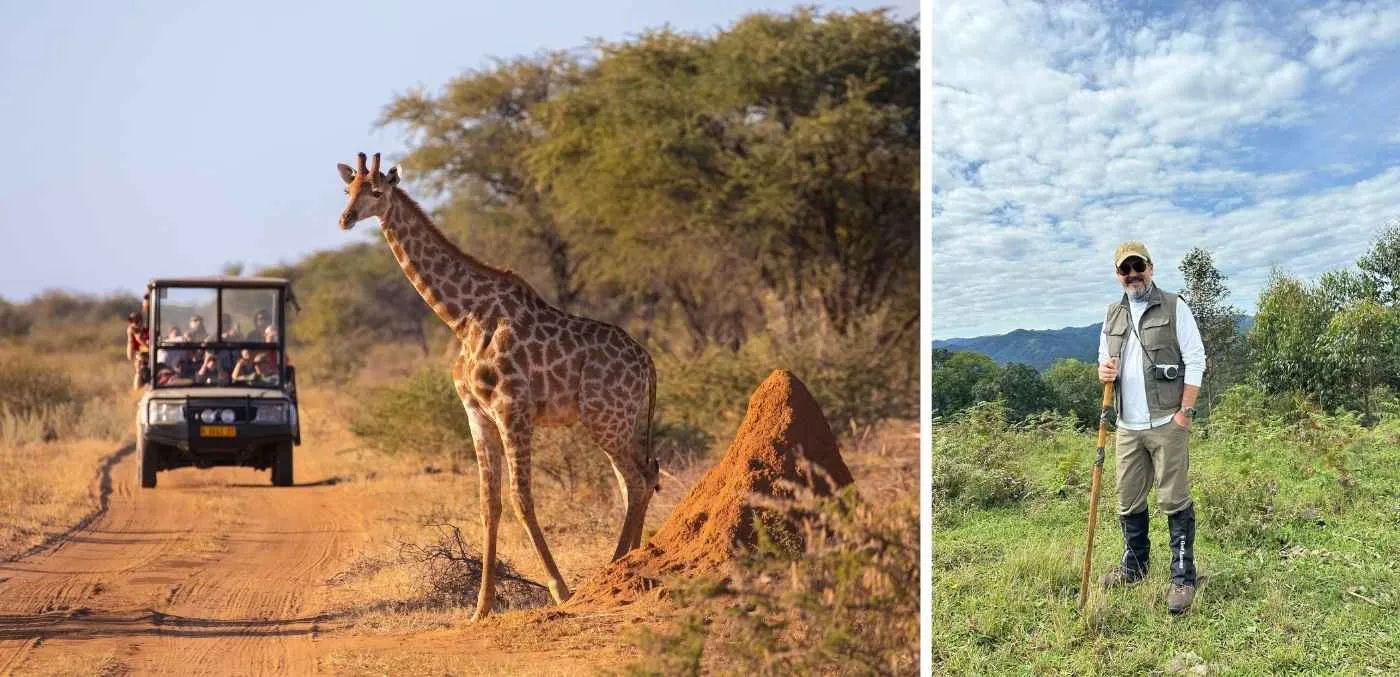
1. Build around one versatile jacket
An unconstructed sports coat in tan or khaki is your hardest-working piece – smart enough for dinner, casual enough for game drives, and stuffed with pockets for essentials (especially handy while flying). My go-to: Ralph Lauren’s chino cotton sports coat. Pair with complementary RL chinos for an effortless safari suit effect.
2. Follow the two-shoes rule
Footwear eats into luggage allowance like nothing else, so stick to two pairs total. First and foremost, you need something sturdy for mountain outings and treks on the veldt. Timberland’s Eurohiker boots are a perennial for good reason: waterproof, supportive, and at 485g, lighter than most hiking boots going. For the second shoe, choose something compact and squishable: Sperry boat shoes, or for a luxed-up option, Tod’s loafers. Lightweight, packable, pool-to-dinner versatile.
3. Save your finest attire
Daily laundry is included at most safari camps – but suffice to say, the delicate cycle is not in use. Clothes come back a little roughed up. Skip the Cucinelli and Loro Piana. Muji’s Cool Touch piqué polos are genuinely breathable, have an upstanding button-up collar to protect your neck and sit perkily under a jacket. And cost-wise, they are perfectly expendable. I also brought two long-sleeved Uniqlo AIRism t-shirts – one white, one taupe – offering protection from insects, ventilation and (with a price roughly that of a decent martini) reassuring replaceability.
4. Trust the experts
Kiwi outdoor specialist Macpac offer a range of nylon-elastane hiking pants, which handle mud, snags and heat way better than cotton. A good ripstop raincoat is also non-negotiable somewhere like Uganda – Macpac’s Mistral is as waterfast as a duck’s proverbial and weighs in at just 370g. You may also want a sleeveless lightweight fishing vest (Barbour’s no stranger to angling) to wear over a tee when it’s warm but you need… something extra. Be prepared with layers – safari weather makes Melbourne’s look predictable.
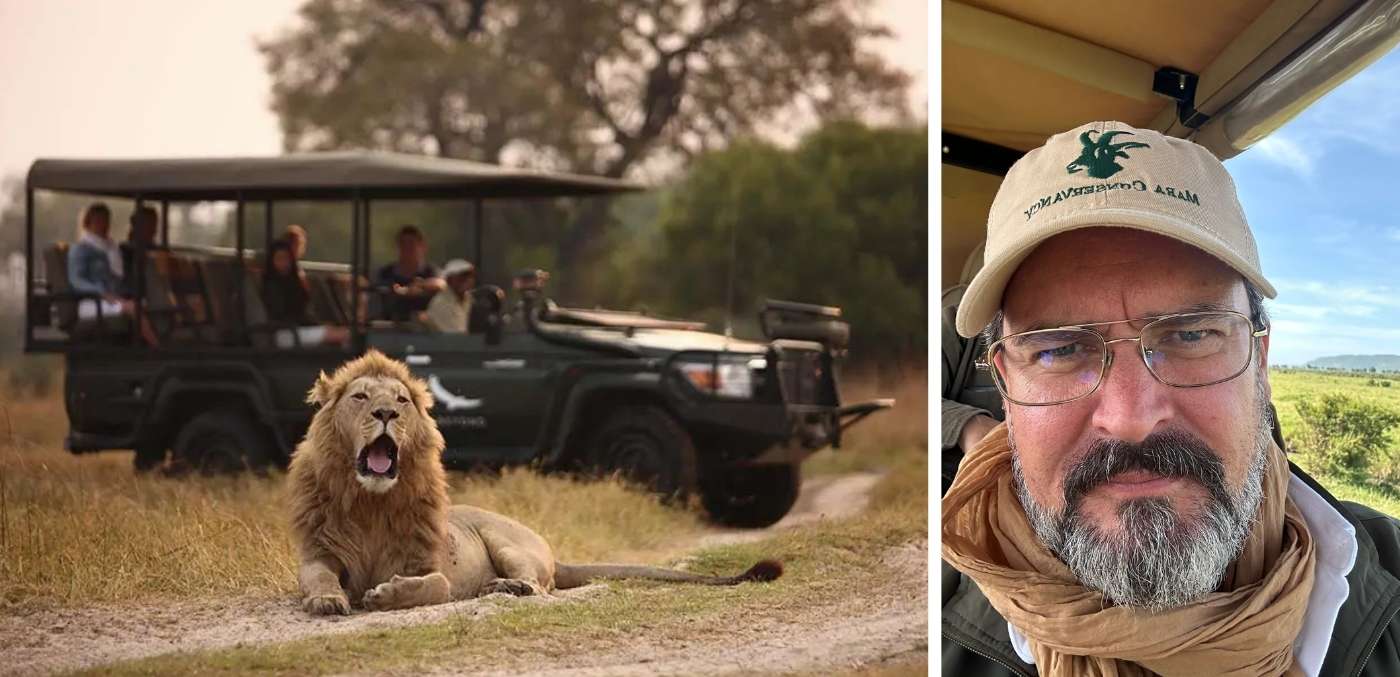
5. Earth your tones
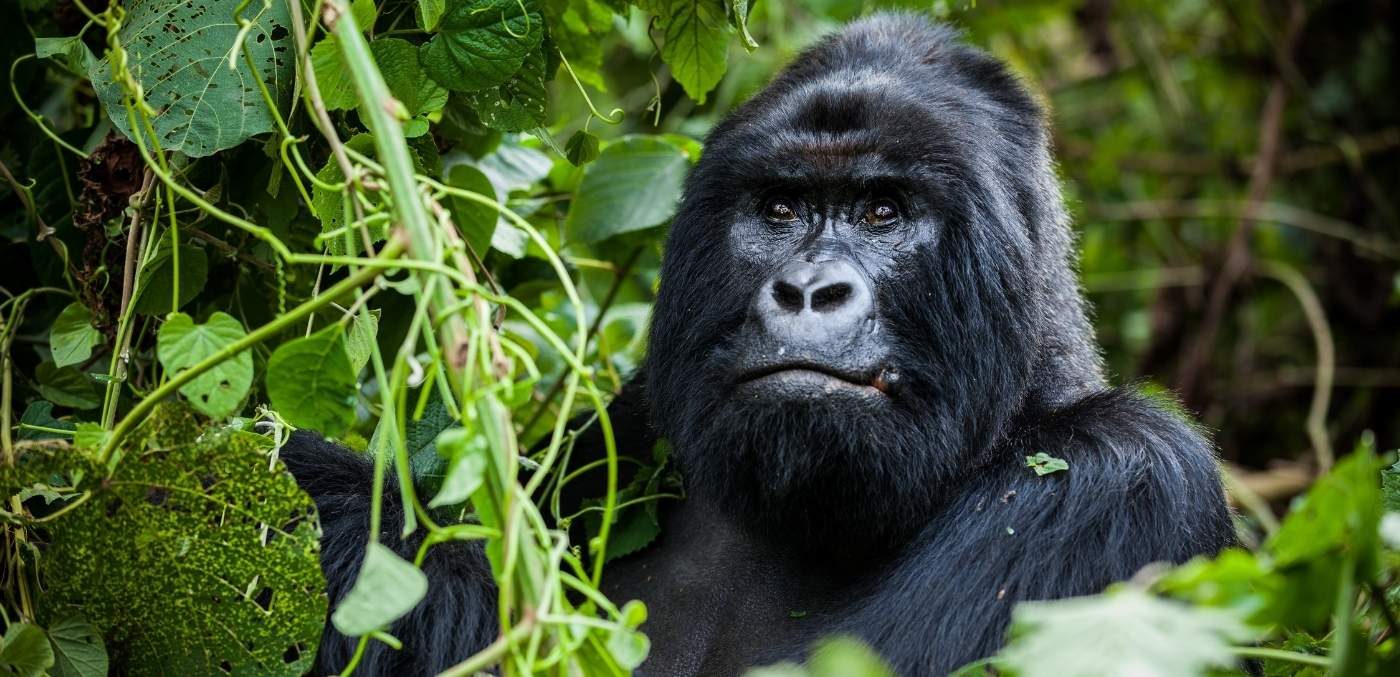
On safari, it’s all about olive, khaki, tan, taupe, ivory, brown. This isn’t just aesthetic – tsetse flies are attracted to dark and patterned clothing, bright colours spook animals, and red and orange can agitate gorillas. And never wear camouflage – it’s associated with conflict and poaching, and illegal outside the armed forces in Uganda, Zambia and Zimbabwe.
6. Inspiration, not perspiration
For a masterclass in chic safari dressing, watch Out of Africa (1985) and observe how Robert Redford navigates the Kenyan bush in rakishly tailored khaki ensembles. The English Patient (1996) adds a more nomadic, romantic, sun-bleached sensibility: loose cotton, dusty neutrals and a charmingly dégagé dishevelment. In fashion, Ralph Lauren is the undisputed master of safari sartorialism. Google image search ‘Ralph Lauren safari ads’ and study the way Ralph layers tobacco-hued boots, loose unironed shirts, beat-up chinos, aged cognac leather and jackets in oat, olive and stone tones.
7. Early to bed, early to rise, accessorise
You’ll need two pairs of sunglasses, no more, no less. Lightly tinted for overcast mornings; dark polarised lenses for full sun. (My recommendation: Ray-Ban Aviators x2, stowed in the same glasses case.) A packable Panama – as purveyed by the experts at Hat of Cain – is elegant and efficient. But trade it for a cap on open-Landcruiser game drives, unless you fancy chasing your chapeau across the Maasai Mara. Carry a light scarf (a good rule no matter where you’re travelling), and consider a neckerchief – great for perspiration, cleaning lenses or glasses, using as a mask to guard against dust, and just generally looking jaunty. I have a bunch in Japanese furoshiki cloth.
8. Don’t overthink undergarments – but don’t skip them
Two pairs of midweight cotton socks for travel days, worn with the boat shoes. (Yes, boat shoes should, as a rule, be sported sockless, but airport and plane floors are not somewhere you want to go barefoot, ever.) For hiking and drives, bring two pairs of thick, wool-rich Humphrey Law’s Genuine Army Socks in olive green – Australian-made, military-issued and the bomb in the bush. As for underwear, again it’s breezy and light AIRism for the win. Five pairs so you’re not caught lacking.
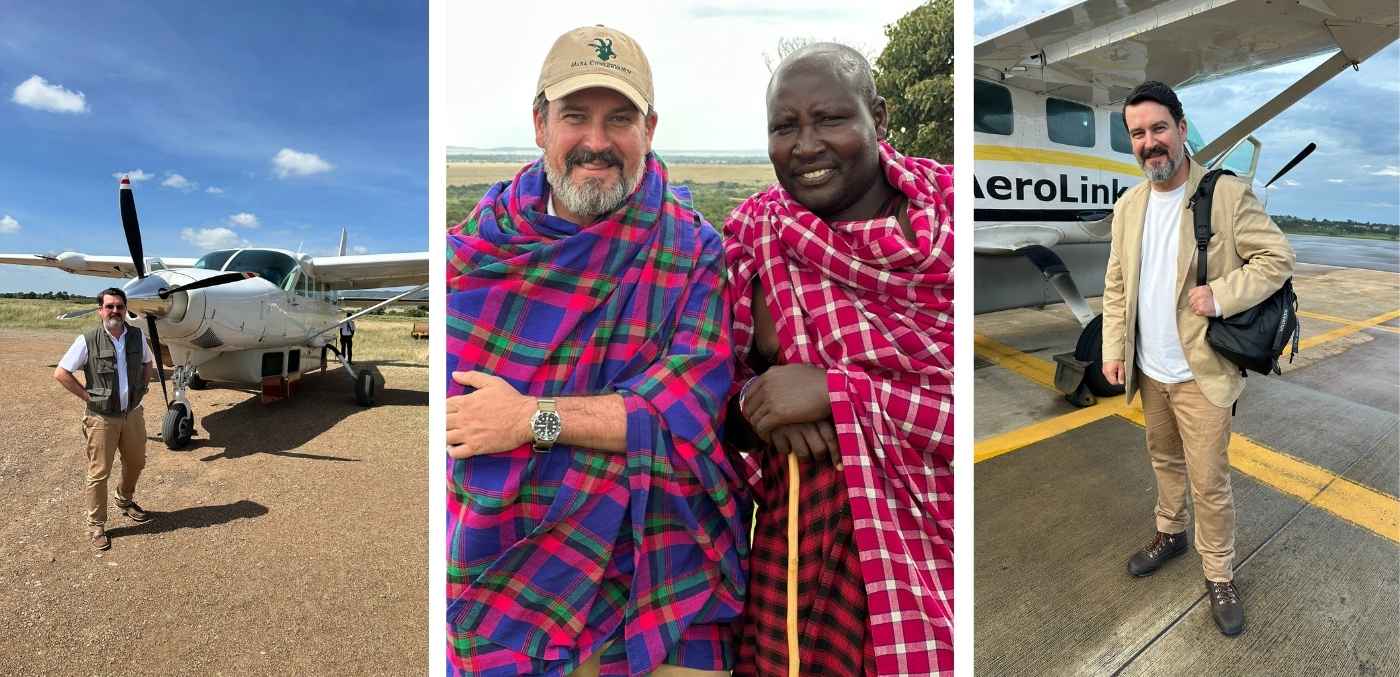
9. Go short on shorts
Shorts leave you exposed to leeches, ants and other bitey wildlife, so they’re best employed sparingly. Patagonia’s Outdoor Everyday shorts (made from recycled fishing nets) are lightweight, durable and eco-friendly. Many luxury lodges have a pool, and after a long morning game drive, nothing’s so refreshing as a dip. (Except, perhaps, a very large G&T.) Ralph Lauren’s Traveller Classic swim trunks pack down to nothing and can double as casual shorts around camp.
10. Keep calm and carry less
Swap the laptop for an iPad. Lighter, more compact – and utterly sufficient, unless you’re planning to write a Hemingway-esque masterpiece as the Great Migration rumbles by. Pair with a compact camera – a Leica Dlux8 is ideal for up-close primate encounters; less so for distant giraffes. Carry these and any everyday essentials/inflight needs in a small crossbody bag; mine’s an old nylon Stüssy number, but for an upgrade, consider this beautiful suede-trimmed Tod’s iteration.
The final tally: Two polos. Two long-sleeved tees. One pair of shorts, plus one swim trunk. One pair of chinos. One pair of hiking pants. One raincoat, one fishing vest. Hiking boots and boat shoes. Two hats. Sunnies, camera, iPad, scarf and neckerchiefs. A small crossbody bag. Five pairs of underwear. Four pairs of socks. Minimal toiletries in a re-used business class amenities kit. Total: 13kg – and room left for souvenirs.
Note: The author bought all these items independently.
Signature’s guide to the best safaris in Africa
Inside South Africa’s first luxury wheelchair-friendly safari lodge
Everything you need to know about gorilla trekking in Africa
Safari of a lifetime at andBeyond’s Phinda Private Game Reserve
Signature’s ultimate travel essentials checklist
This article is a Signature Luxury Travel & Style digital exclusive.
Be the first to see more exclusive online content by subscribing to the enewsletter.