




A 40-course, multi-sensory journey by chef-restaurateur Joel Lim, SJ2.0 blurs the line between theatre and fine dining, where guests surrender their phones, their expectations, and, for a few hours, reality itself.
by Louisa Lim
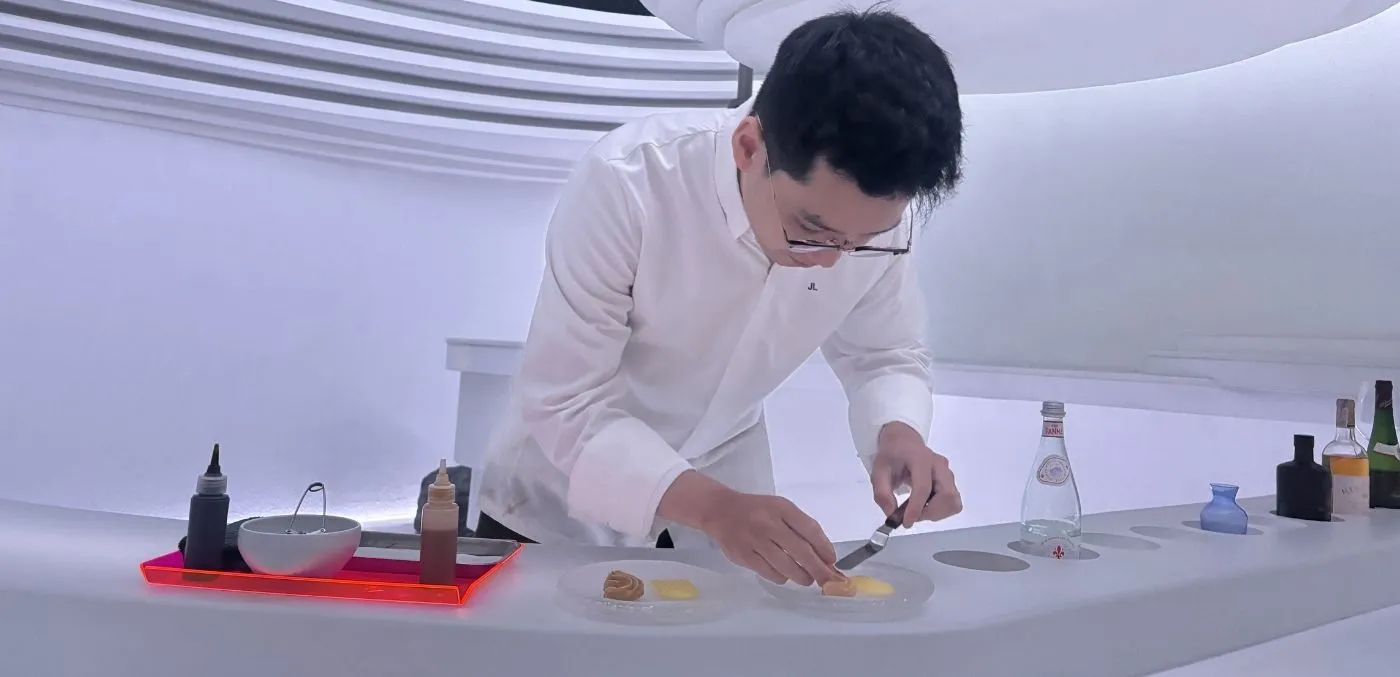
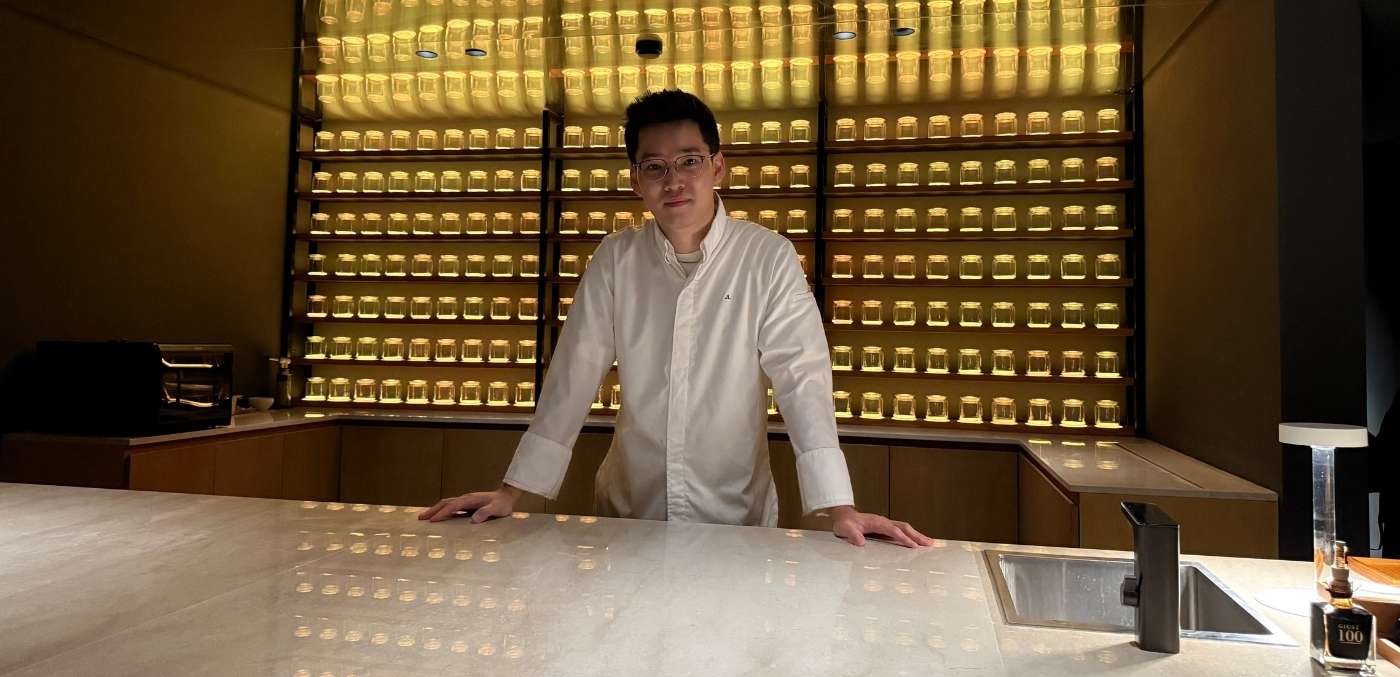
Beneath a vast domed ceiling alive with shifting animations, dinner unfolds in near darkness. Singaporean chef-restaurateur Joel Lim strides over to our table with a bottle of premium Japanese whisky in hand, but instead of pouring it into a glass, as one might expect, he tips it into our open palms, instructing us to rub our hands together.
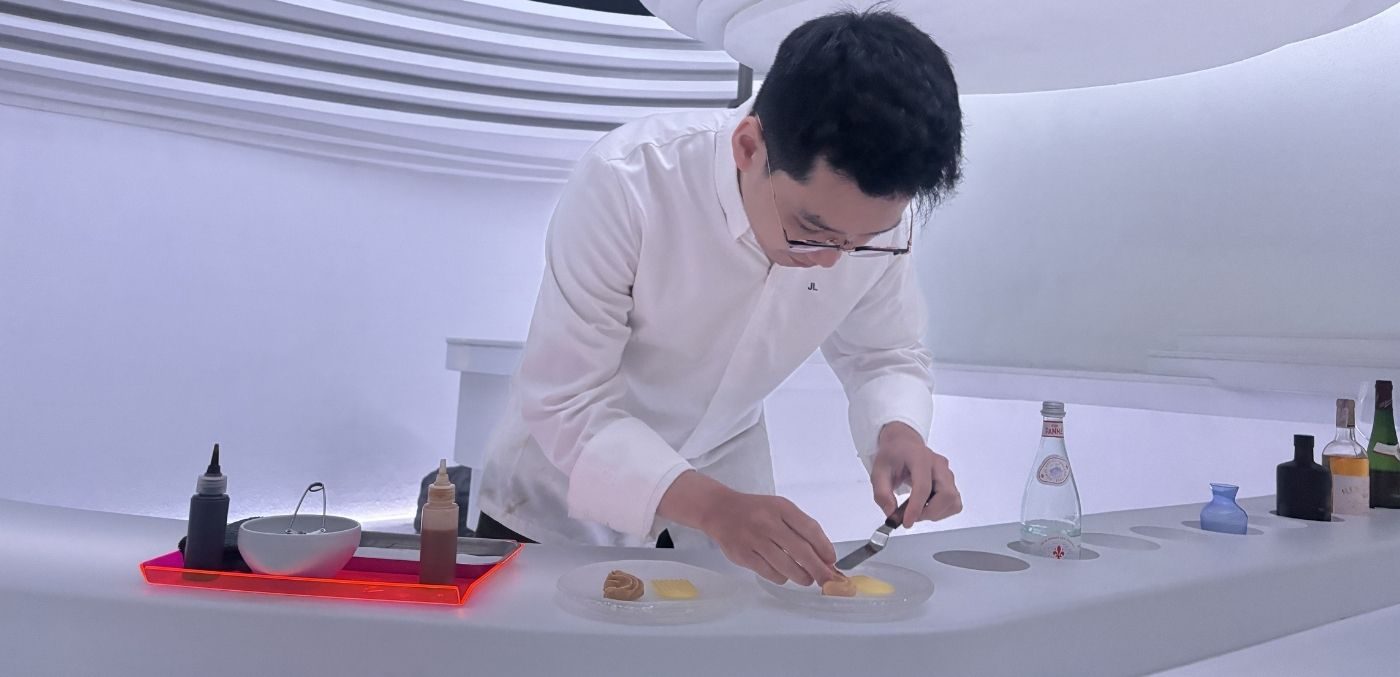
“Now use that same hand to eat the whisky cake,” he says, gesturing towards what appears to be a scoop of pale cream perched on a wooden spoon. This dish is not a cake at all, but a delicate composition of candied egg yolk, Bali vanilla and yuzu. Unexpected. Sensory. And delicious.
This is SJ2.0, one of Bali’s newest, and most ambitious, restaurants, where predictability has no place. Since opening in Seminyak on March 20, the restaurant only accepts up to eight diners a night and guests familiar with Joel’s work from his previous establishments have been steadily trickling in, with many paying upwards of AUD$1,000 per person for the privilege of being among the first to be here.
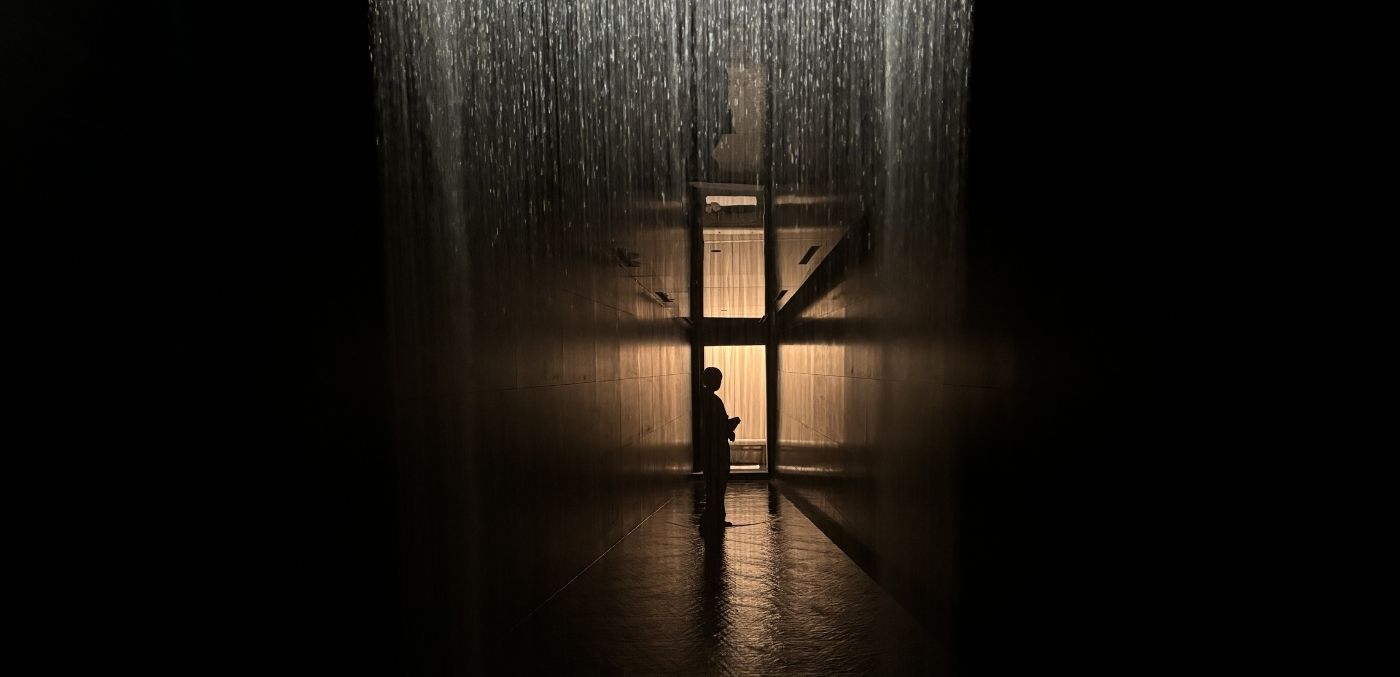
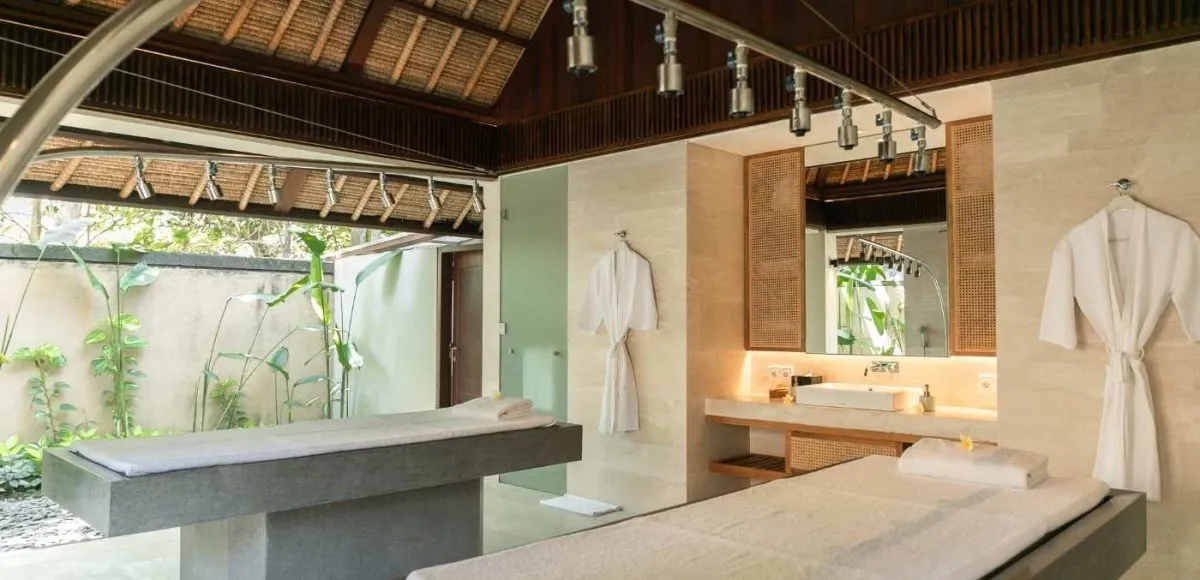
In pairs or groups of four, they begin with a spa ritual, before they are whisked by golf cart to a hidden dining space, where they are made to surrender their phones to be sealed in pouches that can only be unlocked via a special key. They then pass through a sequence of automated doors – a moment that feels faintly reminiscent of Willy Wonka’s factory, albeit with fine dining in place of chocolates and intimidating masked attendants instead of Oompa Loompas. This culinary journey is conceived by Joel himself, an accomplished chef-restaurateur who was formerly the right-hand man of renowned Japanese chef, Akira Back.
Now the force behind Younghee and 32do, two of Bali’s most successful gyukatsu and café ventures, Joel first came up with the concept of SJ2.0 in 2022, but not without some pushback from friends and family, who thought he had gone slightly mad for attempting something so radical. But if there is one thing his time with Akira taught him, it is to “never be a cookie cutter.”
And this restaurant is certainly anything but conventional. Priced at IDR10,000,000 (AUD$843.50) nett excluding drinks, the experience comprises 40 courses – or ‘emotions’, as Joel calls it – in a series of carefully orchestrated spaces, each designed to draw you deeper into his psyche.
Step inside SJ2.0
The first room – a dark, cavernous space of black walls and plush sofas – feels like a culinary theatre. Flickering candlelight casts a soft glow across the room, illuminating dishes presented on architectural serving pieces. Freed from digital distractions, the focus turns to the food, which draws inspiration from across different cultures with nods to Lim’s Korean roots.
From the celeriac wakame cone, layered with smoked stracciatella, ikura heaped atop a delicate cone and finished with 100-year-old balsamic, to the ‘drunken swimming’ kisu, a Japanese whiting lightly dusted with peppers, the dishes are dainty yet deeply expressive, with flavours that move effortlessly from umami to spice to tang.
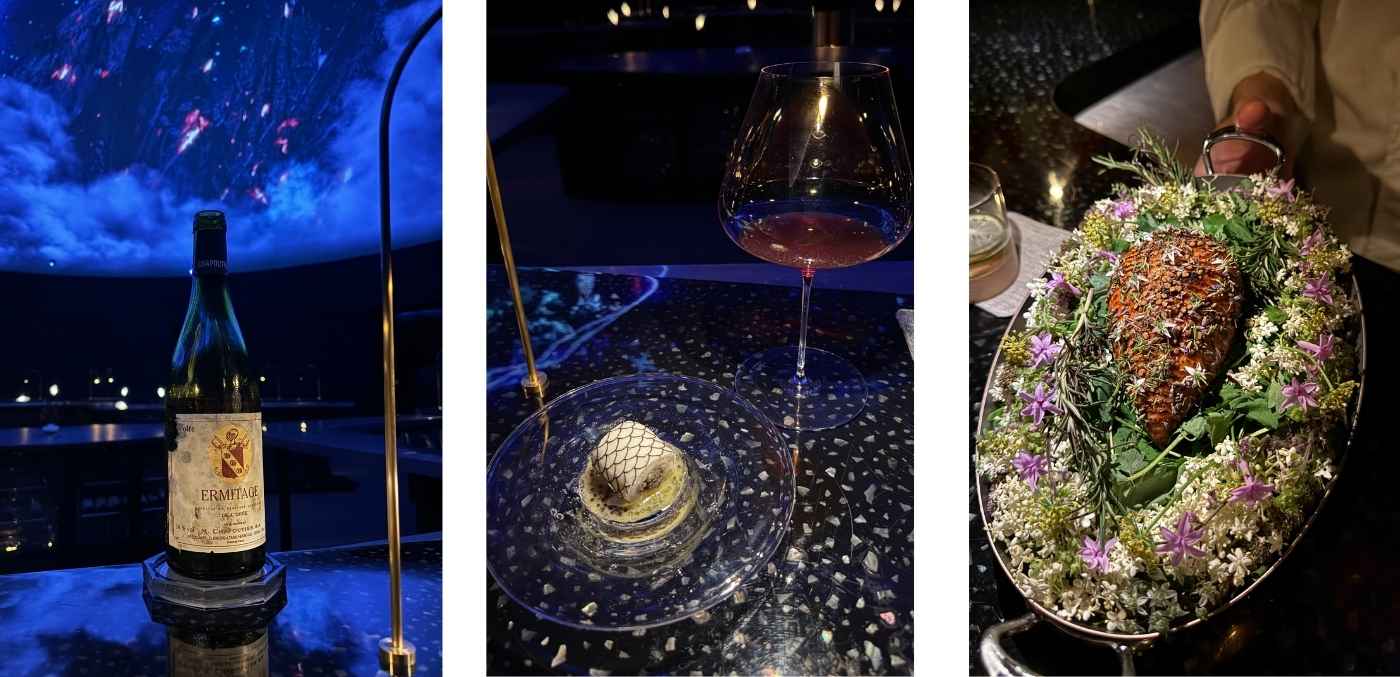
For those who appreciate a good pour, the alcohol pairing, priced at an additional IDR4,000,000 (AUD$302), is a quiet highlight, drawn from a three-storey wine vault stocked predominantly with French and Italian vintages.
The selections feel considered rather than showy: a 2018 Condrieu, its floral lift and fruit notes cutting elegantly through the sweetness of king crab; a 2021 Beaune Theurons Premier Cru, structured yet restrained, complementing a delicate halibut stuffed with walnut duxelles; and, in a more unexpected turn, Younghee’s signature prawn toast paired with a fiery South Korean soju, Hwayo 53. A non-alcoholic pairing is also available at the same price.
Total sensorial immersion
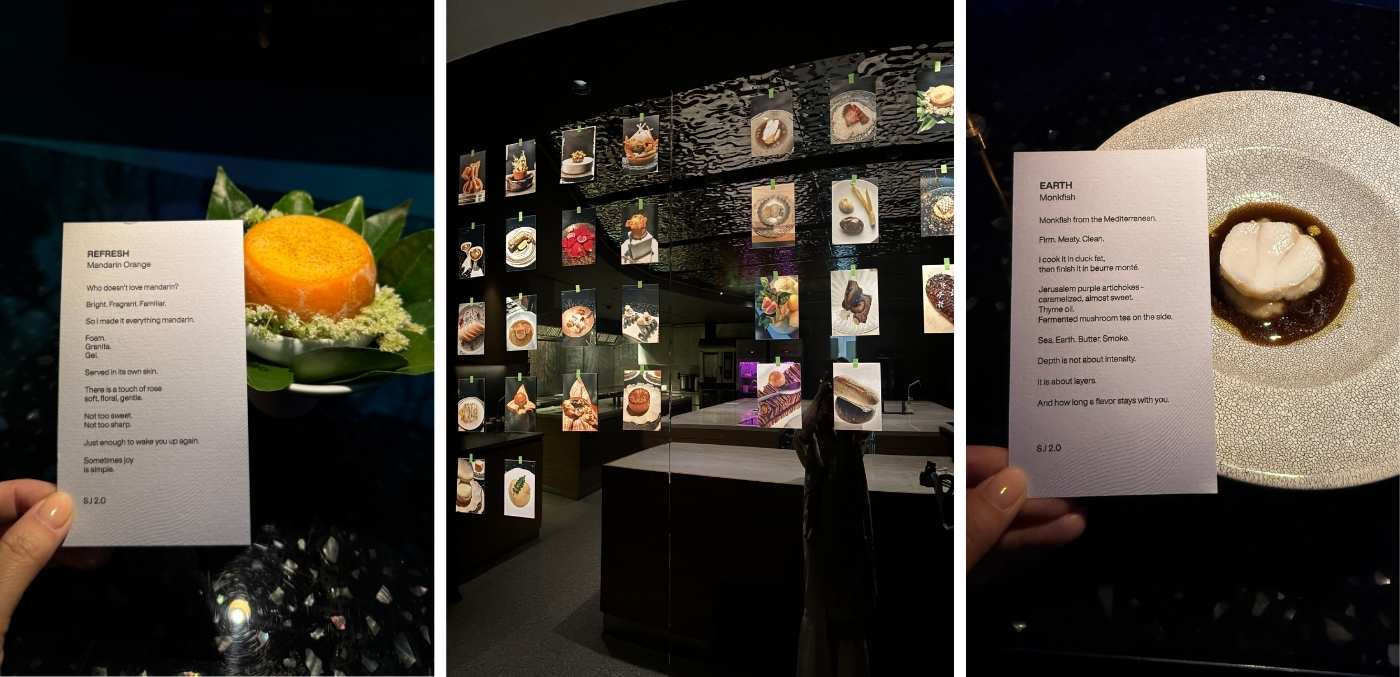
In the next room, ‘the dome’, more dishes arrive. Highlights include a beautifully tender Iwate abalone served with potato purée and asparagus, and the ‘all-out’ doraji, a playful reinterpretation of a Korean root vegetable as Sauternes ice cream, lifted by a dusting of Szechuan pepper for an unexpected yet compelling contrast. The chicken breast mandu arrives like a still life from another era – lacquered, glistening, and cradled in a wreath of wildflowers and herbs. It feels less like a dish and more like a renaissance tableau, the bird placed reverently at the centre, as though meant to be admired before it is eaten. There were many standouts but also, as with any restaurant of this scale, occasional misses. Joel, however, is continuously seeking feedback, refining and recalibrating the flavours from his kitchen.
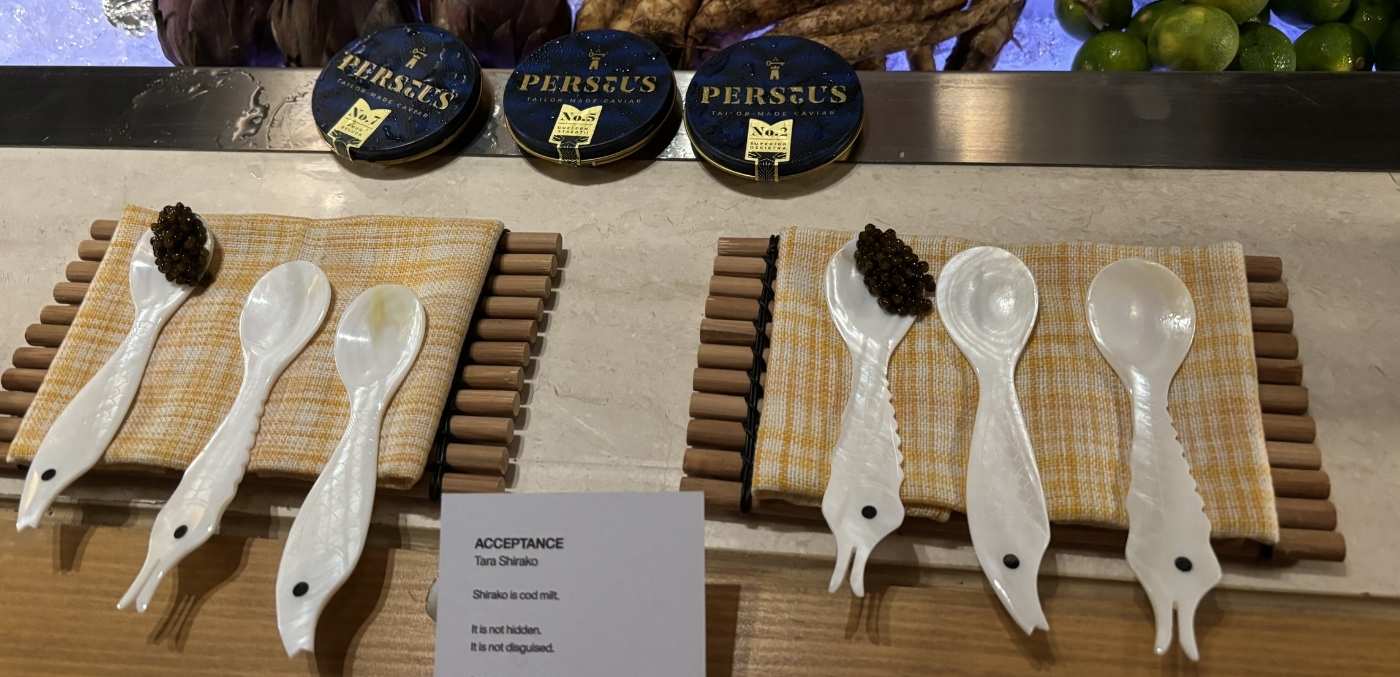
Each dish arrives with a small white placard bearing a poetic description, penned by Joel himself. Some feel quietly profound (“I created this mask because the world often asks us to wear one,” accompanying a Korean mask crafted from foie gras) while others are cheeky (“Some richness cannot be faked,” referring to the richness of the abalone dish).
Surprises are woven throughout the experience: some elicit laughter, others quiet reflection. At one point, guests walk barefoot through gushing water; at another, they are handed coats and gloves before being ushered into a -10°C dessert room. Each transition is designed to provoke a different emotional response, with every detail – from scent to sight to sound – carefully curated.
Is SJ2.0 worth a visit?
Midway through, guests are asked to record these feelings on a piece of cardboard, which the restaurant later mails back, along with a surprise gift, to wherever they are in the world, six months on. In the absence of phones, the gesture becomes an intentional act of memory-making.
“Memories are one of the most powerful things, and we want guests to recall and speak about their experience months later,” says Joel, who believes more in word of mouth than marketing.
The scale of the project is unlike anything Bali has seen, but it seems inevitable for a man whose obsessive attention to detail, relentless work ethic and refusal to compromise on quality have been evident from the start. For his first restaurant, Si Jin, he made monthly trips on the first flight to Singapore, personally hand-carrying back premium cuts of Miyazaki beef not available locally.
Bringing SJ2.0 to life, however, was no small feat. One of the biggest challenges, Joel admits, was sourcing the right ingredients. Some, like Roscoff onions, cost as much as US$50 per kilogram.
Equally demanding was assembling the right team to build the space itself. He collaborated with several partners, including renowned architect Andra Matin, the brains behind Potato Head Bali, but much of the project was realised with a team of what he calls “young, hungry architects”.
“People were initially in disbelief,” he says. “They thought it was too extreme for Bali – who would spend this amount of money or energy on something like this?” The answer, it seems, is Joel himself. Built from the ground up at an eight-figure cost in US dollars, SJ2.0 was never intended to be a quick commercial win but rather, a love letter to his heritage and culmination of his life’s work.
“I’m hoping to break even in 10 to 15 years,” he says. “But the objective isn’t really revenue – it’s about awareness and creating something unforgettable. It’s every chef’s dream to operate on a scale like this.”
This article is a Signature Luxury Travel & Style digital exclusive. Be the first to see more exclusive online content by subscribing to the enewsletter below.