




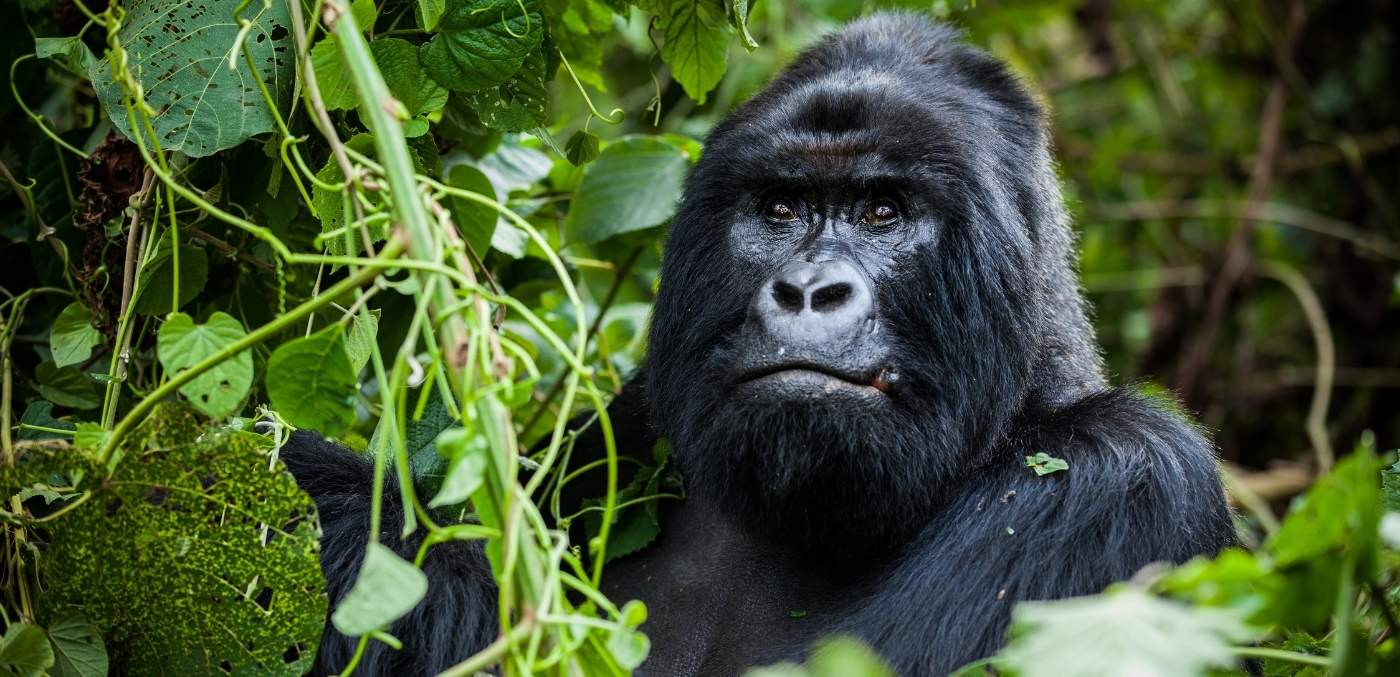
Coming face-to-face with the gorillas in Africa is a life-changing experience, offering a rare and humbling encounter with the majestic creatures in their wild rainforest home.
To look upon one of the world’s most endangered creatures is an experience few ever have. Seeing mountain gorillas in the wild requires careful planning, physical endurance and trekking through dense jungle on often slippery, muddy trails to reach some of Africa’s most remote locations. Visits can be costly and highly exclusive, with daily visitor numbers strictly limited. Yet after the exhausting journey, pushing aside a reaching branch to glimpse these remarkable primates makes every effort worthwhile. Gorillas are the largest and strongest primates, sharing 98% of their DNA with humans, and their mannerisms and features are so strikingly humanlike that observing them in their natural habitat is both fascinating and humbling. We’ve curated a guide to the best places to see gorillas in Africa and everything you need to know before booking a gorilla trekking adventure.
Are there gorillas in Africa?
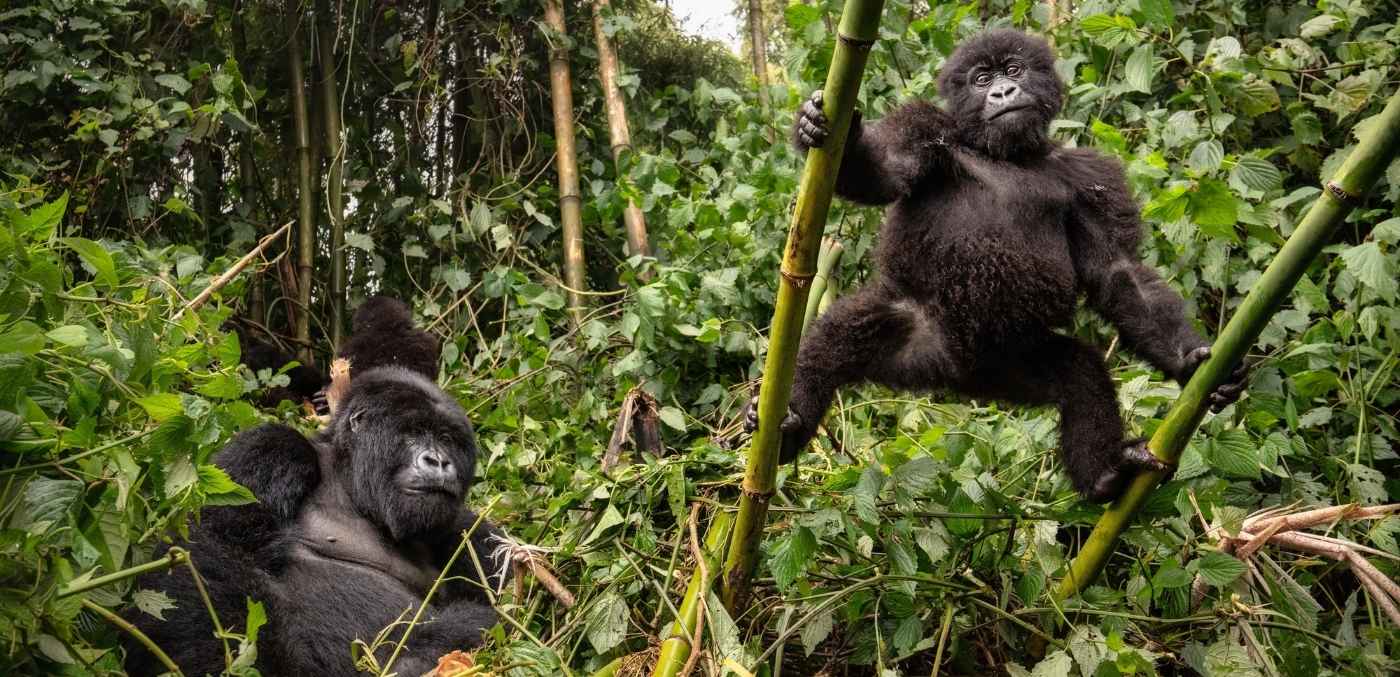
As of early 2025, more than 300,000 gorillas are thought to remain in the wild, the vast majority of them western lowland gorillas, the most widespread subspecies found across Gabon, the Republic of the Congo, Cameroon, the Central African Republic and parts of Angola. This is followed by the eastern lowland (Grauer’s) gorilla, with populations estimated at just over 4,000, confined to the eastern Democratic Republic of Congo (DRC). While all gorilla subspecies are classified as endangered, the most critical situations involve the Cross River gorillas of Nigeria and Cameroon, which number fewer than 300 individuals, and the mountain gorillas of Uganda and Rwanda, with numbers hovering around 1000.
What country in Africa has the most gorillas?
The DRC has the highest concentration of gorillas in Africa, boasting populations across all subspecies, though most are eastern and western lowland gorillas. However, most global travel authorities advise against visiting the region due to ongoing conflict, high crime rates and health risks. If you want to see the endangered mountain gorillas, Uganda hosts more than half of the world’s mountain gorilla population.
Is Rwanda or Uganda better for mountain gorillas?
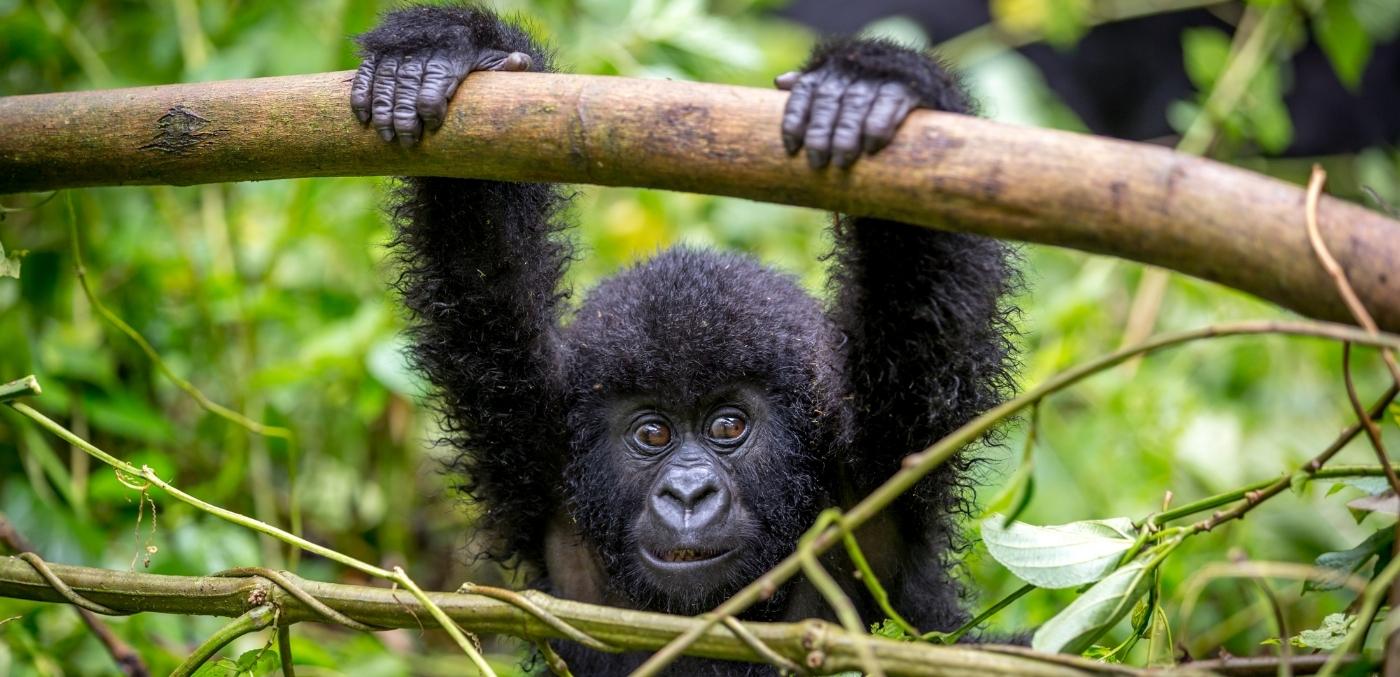
There are only two wild populations of mountain gorillas in the world. The larger population inhabits the Virunga Massif, spanning Uganda, Rwanda and the DRC, while the second is found in Uganda’s Bwindi Impenetrable National Park and the adjacent Sarambwe Nature Reserve in the DRC. Bwindi alone is home to roughly half of the global mountain gorilla population, making it one of the best places to see gorillas in Africa. However, whether you choose Uganda or Rwanda will largely depend on the experience you want or can afford.
Gorilla trekking in Volcanoes National Park in Rwanda is best for luxury, convenience and shorter, easier treks. Volcanoes National Park is just a three-hour drive from Kigali Airport, with respected lodges such as Singita and Bisate. Conversely, Uganda is better for budget-conscious travellers comfortable with more challenging treks and longer travel times. Bwindi Impenetrable National Park is up to an 11-hour drive from Kampala, or requires a chartered flight for access, however there are also luxury operators here, such as andBeyond.
How much does it cost to see the mountain gorillas in Africa?
Gorilla trekking in Randa’s Volcanoes National Park requires at US$1500 permit per person, per day, which includes park entry, a guide and one hour with the gorillas. Gorilla trekking in Uganda’s Bwindi Impenetrable National Park starts from US$800 per person for a standard permit, which includes park entry, a guide and one hour with the gorillas.
However, most people will find the daily cost rounds out to around US$2000 when factoring in transport and mandatory tipping. The cost of accommodation or organised tours will vary by property and operator. Permits to see the gorillas in Africa should always be booked months in advance of your planned visit, as permits are limited to just a few people each day and demand is typically high.
What is the best time to see the mountain gorillas in Africa?
Bwindi Impenetrable National Park in Uganda
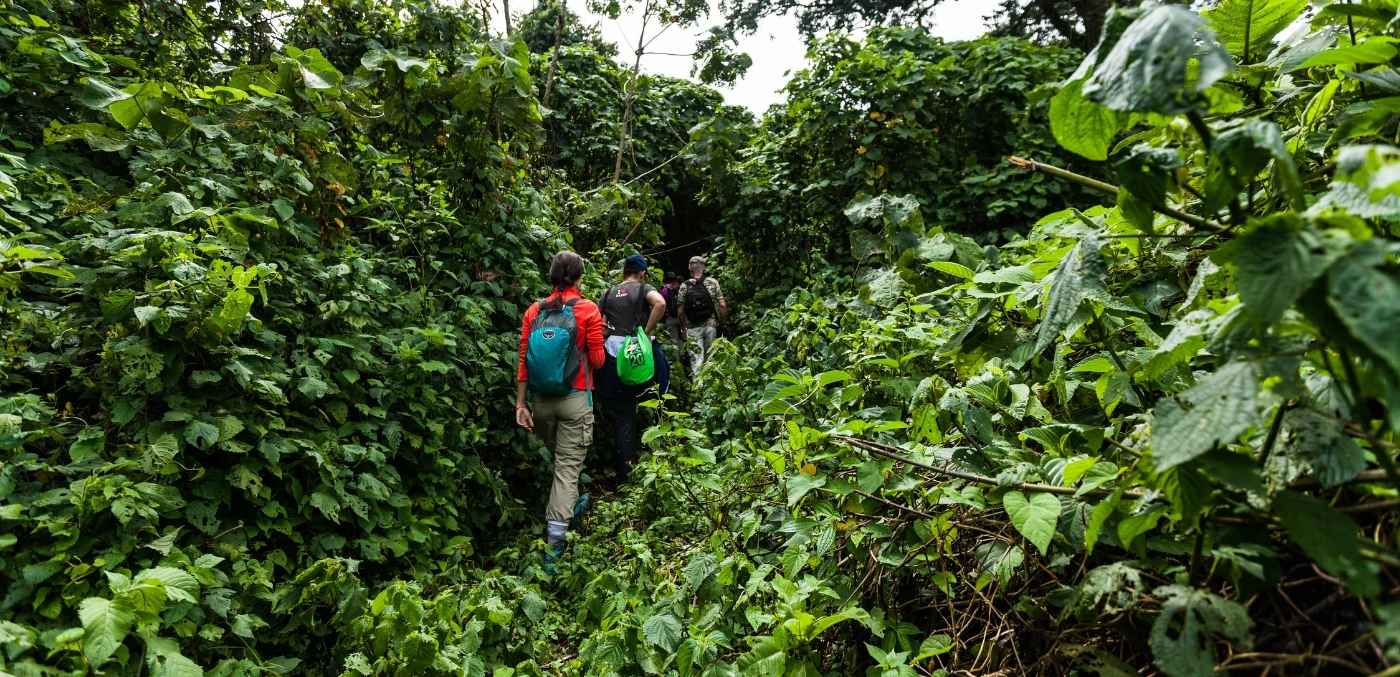
If you’re planning to visit the mountain gorillas of Bwindi Impenetrable National Park in Uganda, the best time to book your trek is during the dry seasons: December to February or June to August. These periods offer blue skies, clear days, drier conditions and relatively mud-free trails. January is the hottest month, with daytime temperatures reaching up to 32ºC, while February provides the dry trekking conditions. June marks the end of the rains, leaving the forest lush, and is the start of the peak season. July is ideal for gorilla treks, and although August brings drier, more open landscapes, it remains one of the best months for trekking.
Volcanoes National Park in Rwanda
Travellers seeking the more accessible and luxurious gorilla trekking experiences in Volcanoes National Park in Rwanda should plan their visits between June and September or December and February. June to September marks the region’s longest dry season, while December to February is the short dry season. Both periods fall within the peak tourist season and can be crowded, but trekking conditions are generally better, with firmer trails and clearer visibility. However, rainfall is possible at any time of year, so it’s always wise to be prepared for occasional showers.
What to pack for gorilla trekking
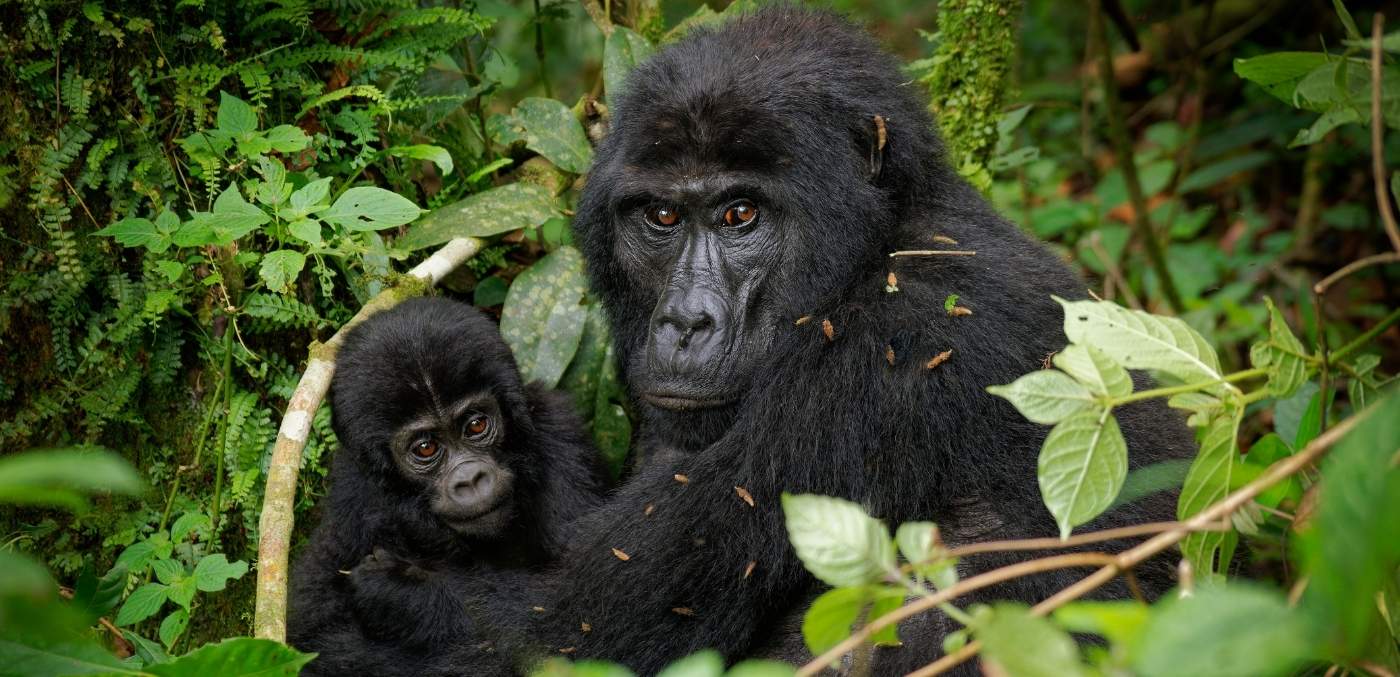
- Lightweight moisture-wicking shirts (long-sleeved recommended to protect against bugs and scratches)
- Quick-dry long trousers
- Rain jacket or poncho
- Warm layer (fleece/jumper)
- Hat or cap
- Gloves (to protect hands in thorny or stinging foliage)
- Sturdy waterproof hiking boots
- Moisture-wicking socks (plus spare pair)
- Gaiters (for the mud)
- Lightweight daypack
- Water bottle or hydration system
- Walking stick (optional)
- Binoculars (optional)
- Camera or phone (no flash)
- Insect repellent
- Sunscreen
Luxury gorilla trekking tours and lodges
Abercrombie & Kent hosts gorilla trekking and safari tours in both Rwanda and Uganda with stays at a variety of premium to luxury lodges, with the option to include chimp trekking in Rwanda.
Wilderness Destinations has award-winning properties in Rwanda that offer gorilla encounters, chimpanzee viewing and classic East African safaris based from their luxurious camps, including Wilderness Bisate and Wilderness Bisate Reserve.
One&Only Gorilla’s Nest in Rwanda is a five-star stay that hosts guided gorilla treks in Volcanoes National Park and educational talks about the local population.
Singita’s Kwitonda Lodge is perched on the edge of Volcanoes National Park in Rwanda and has just 11 suites, a spa, pools and volcano views. This property hosts gorilla, chimpanzee and golden monkey trekking.
AndBeyond is a luxury operator that hosts guided gorilla trekking in Uganda and Rwanda with luxury accommodations in partner properties.
Alternatively, tour companies such as G Adventures and Intrepid also offer guided tours through Uganda and Rwanda, combining sightseeing and safari experiences with gorilla trekking at a lower price point.
Read more:
Signature’s guide to the best safaris in Africa
Inside South Africa’s first luxury wheelchair-friendly safari lodge
The luxury hotel initative that is protecting endangered mountain gorillas in Rwanda
This article is a Signature Luxury Travel & Style digital exclusive. Be the first to see more exclusive online content by subscribing to the enewsletter below.