




From chasing the Big Five to witnessing the Great Migration, soaring interest in wildlife travel makes choosing wisely essential. This is Signature’s expert guide to the best safaris in Africa and how to find an experience that delivers.
Are you a wildlife photographer in pursuit of snapping an image of the king of the jungle? Or have you dreamt of witnessing the majestic presence of an elephant herd first-hand? Perhaps you’re keen to see some of the world’s most efficient predators in person, or simply want to gaze upon Africa’s biodiverse ecosystem of birds, mammals, primates and reptiles as they go about their business. Whatever your motivation, one thing is true of all safari-goers: they wish to see the ‘Big Five’. But where you choose to go on safari will greatly affect your experience.
Data collected throughout 2024 by Emergen Research found that safari interest has surged by more than 10%, fuelled by growing interest in wildlife conservation efforts and improved accessibility infrastructure. The Great Migration alone is believed to attract more than 1.5 million visitors to the continent each year. The United Nations’ World Tourism Barometer data indicates that Africa was one of the world’s strongest destinations in 2025, attracting 81 million international arrivals. However, not all national parks, game reserves, lodges, and guided tours are equal. Read on for Signature’s curated guide to the best safaris in Africa, so you can make an informed decision when planning your next adventure.
Five of the best safaris in Africa
Serengeti National Park, Tanzania
When speaking of the best safaris in Africa, the Serengeti’s vast plains, burning sunsets and silhouettes of acacia trees are what typically come to mind. Serengeti National Park is a World Heritage Site and home to the Great Migration, an annual movement of more than one million wildebeest, zebra and gazelles as they follow seasonal rain across the Serengeti-Masai Mara ecosystems in Tanzania and Kenya. Thousands of big cats prowl this 15,000 square kilometre region, where you can spot elephants, lions, leopards, cheetahs, black rhinos, buffalo and so much more.
When to visit: June to October (dry season) is the best time to see the Great Migration river crossings. January and February are calving season for wildebeest, attracting predators. November, December and March are the shoulder seasons and rainy.
How to get there: The easiest way to access Serengeti National Park is to fly into Kilimanjaro International Airport, then connect to a charter flight or scheduled light-aircraft flight into the Seregenti. Alternatively, fly into Arusha Airport on a domestic flight then connect to a charter or scheduled regional flight to Serengeti airstrip.
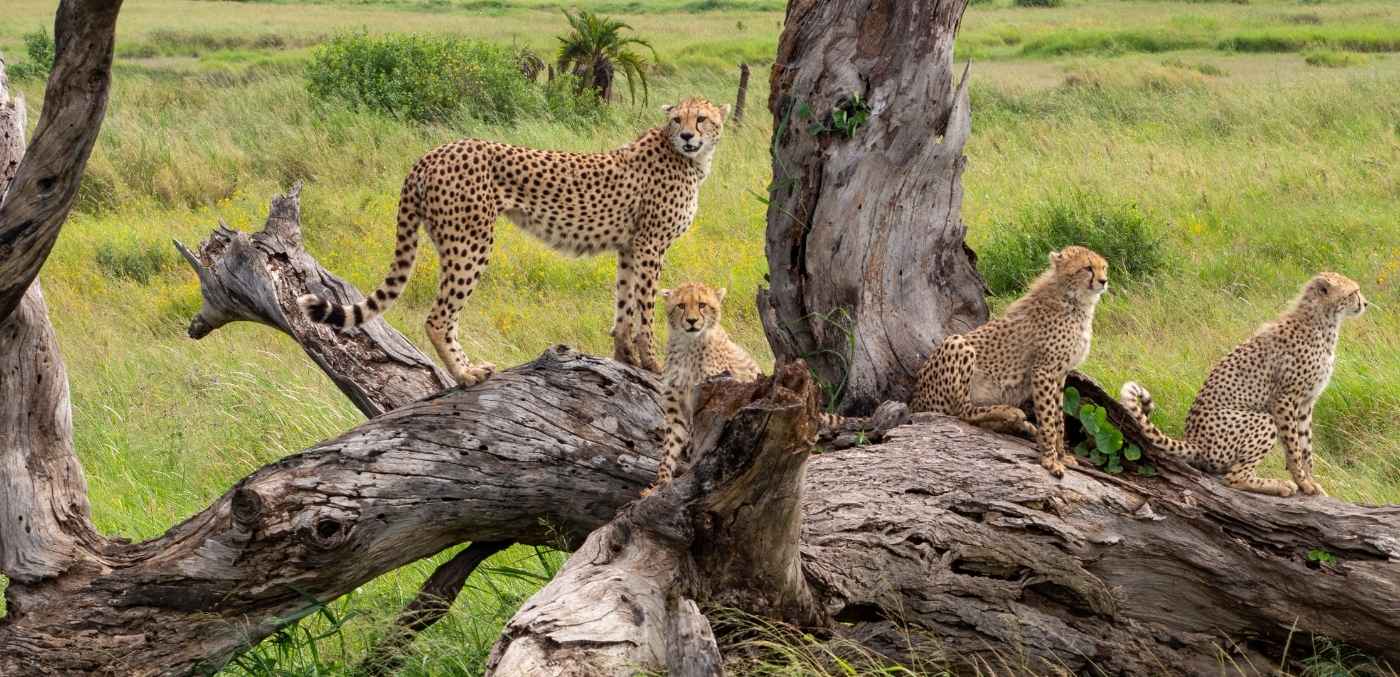
Maasai Mara National Reserve, Kenya
Savannah wilderness and golden plains are patrolled by lions, cheetahs, elephants, zebra, hippos and wildebeest in the Maasai Mara National Reserve. Measuring in at just 1510 square kilometres and sharing a border with Serengeti National Park, this region boasts some of the most diverse wildlife species in Africa and hosts parts of the Great Migration. In fact, this area supports around 40% of the continent’s large mammal species and is where visitors can meet the Maasai people. Maasai Mara is also known as the ‘big cat capital’ and is regarded as one of the best safaris in Africa for spotting lions, leopards and cheetahs in action.
When to visit: The dry season runs late June to October and coincides with the Great Migration, offering enhanced viewing opportunities as animals aren’t obscured by bushveld, and often gather at waterholes. Visitors will find herds still present in the Mara from September to October, while the rainy season hits in November and December, January and February are dry and also good for spotting predators.
How to get there: Fly into Nairobi Jomo Kenyatta International Airport then connect to a domestic flight into the Maasai Mara. Alternatively, you can tackle the six-hour drive from Nairobi.
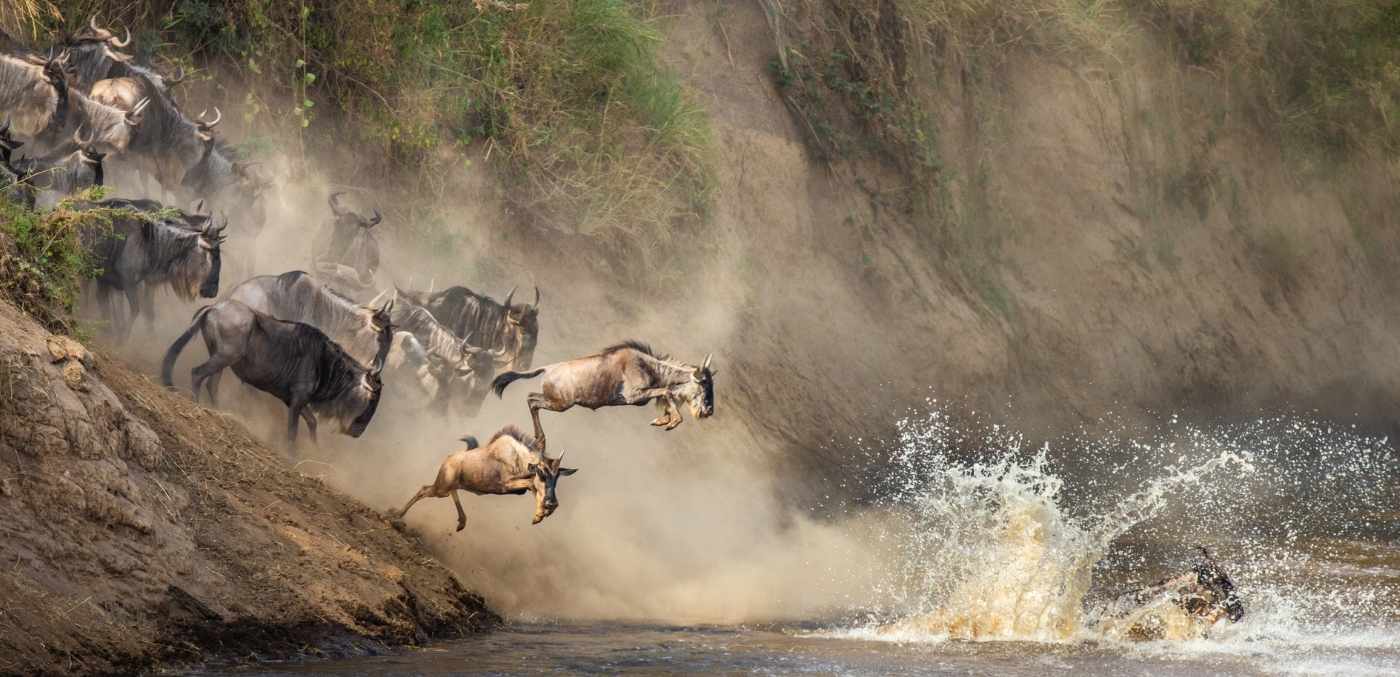
Kruger National Park, South Africa
Located in the north-eastern region of South Africa, Kruger National Park is one of the continent’s largest and most popular public-entry game reserves, where visitors can spot the ‘Big Five’. Spanning 2 million hectares and hosting more than 300 species of trees, and a diverse range of wildlife, Kruger National Park is one of the best safaris in Africa. There are also historic archeological sites within the park, such as Masorini and Thulamela. This reserve is open to self-drive safari tours and comprises many camps, lodges and luxury stays. Visitors to Kruger National Park can expect to see everything from elephants and big cats to wild dogs, impalas, giraffes, zebras, hippos, crocodiles, warthogs, and more — including over 500 bird species, such as vultures and ostriches.
When to visit: Dry season is the best time to visit, from April to September, when visitors experience warm, dry days and cool nights. Vegetation is sparse this time of year, making wildlife spotting easier. January to March, the rainy season, is regarded as the worst time to visit due to extremely hot, humid weather, lush vegetation and heavy storms that reduce visibility.
How to get there: Fly into Johannesburg O.R. Tambo International Airport then connect to a domestic flight into Kruger Mpumalanga International Airport (MQP) near Nelspruit for southern and central Kruger access, or Hoedspruit Eastgate Airport (HDS) for northern Kruger access, then drive an hour into the park. Alternatively, from Johannesburg airport, drive up to six hours to the park, depending on your entry gate.
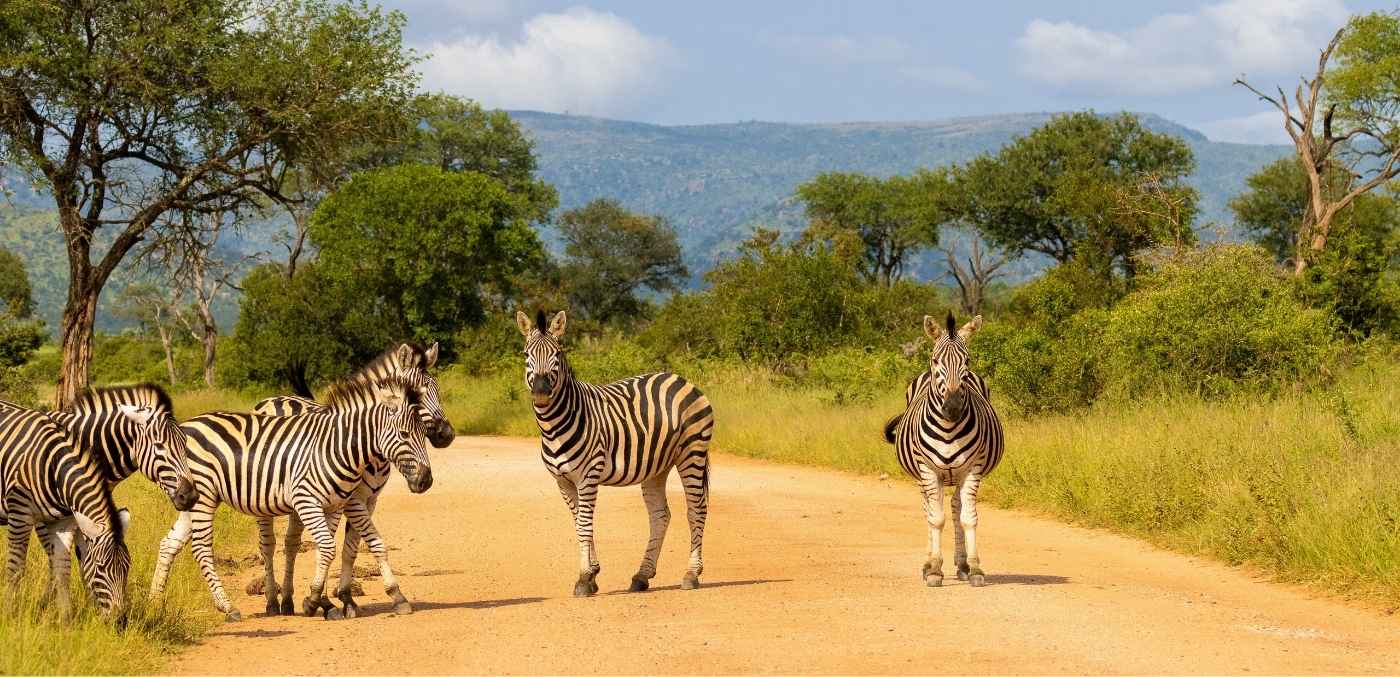
Okavango Delta, Botswana
This sprawling inland river delta is tucked into the north of Botswana and is one of the continent’s most pristine sanctuaries, home to predators, large mammals, antelope, reptiles and birds. Surrounded by the arid Kalahari Desert, this verdant oasis is one of the best safaris in Africa as it offers visitors both land and water-based wildlife viewing, including from mokoro canoes, 4WD vehicles and walking tours. Most notably, the Okavango Delta floods during the dry season from May to August, transforming the landscape into a patchwork of lagoons, pools and narrow waterways, attracting a variety of animals. Sadly, around 95% of the water eventually evaporates into the desert sands.
When to visit: Floodwaters peak around July and August, coinciding with drier, cooler weather for the dry season. June to October are the best times for sightseeing. Avoid January to March as this is the pak of the rainy season, with heavy and unpredictable storms and lots of mosquitoes.
How to get there: Fly into Johannesburg O.R. Tambo International Airport, book a flight to Maun Airport, then arrange a private charter, light aircraft or boat transfer to the delta.
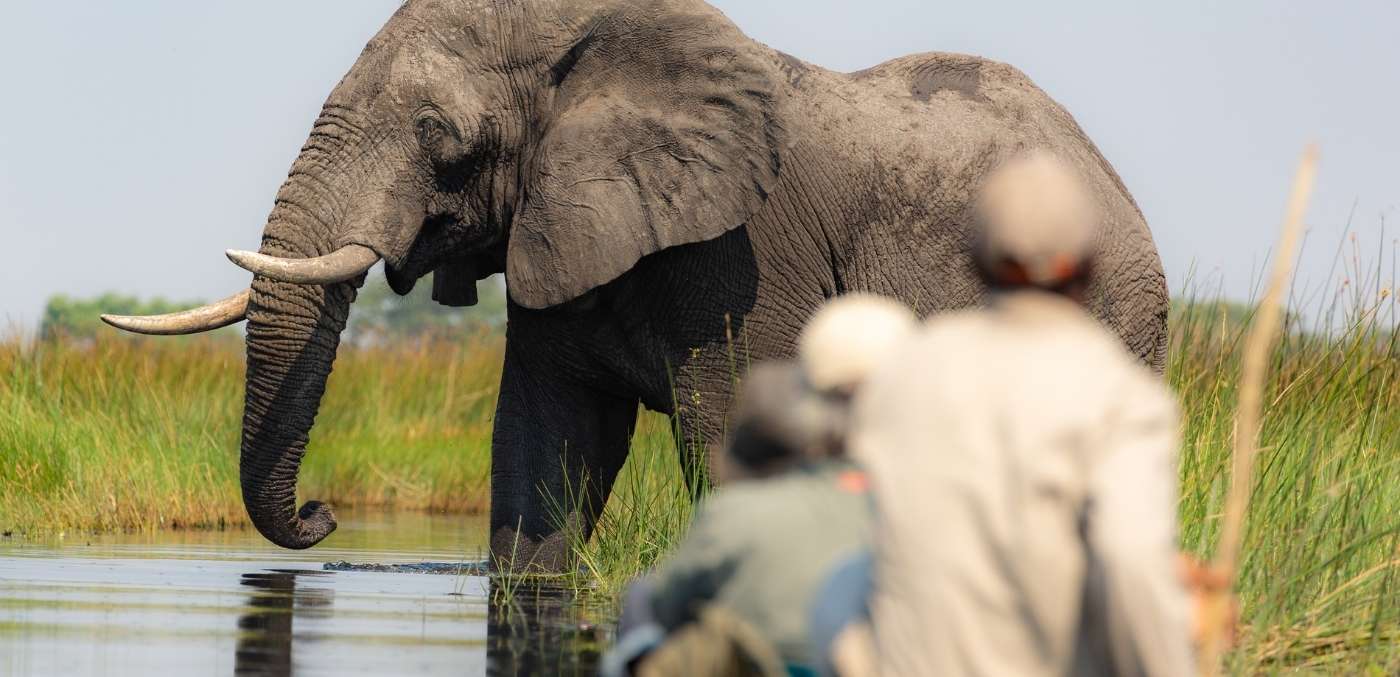
South Luangwa National Park, Zambia
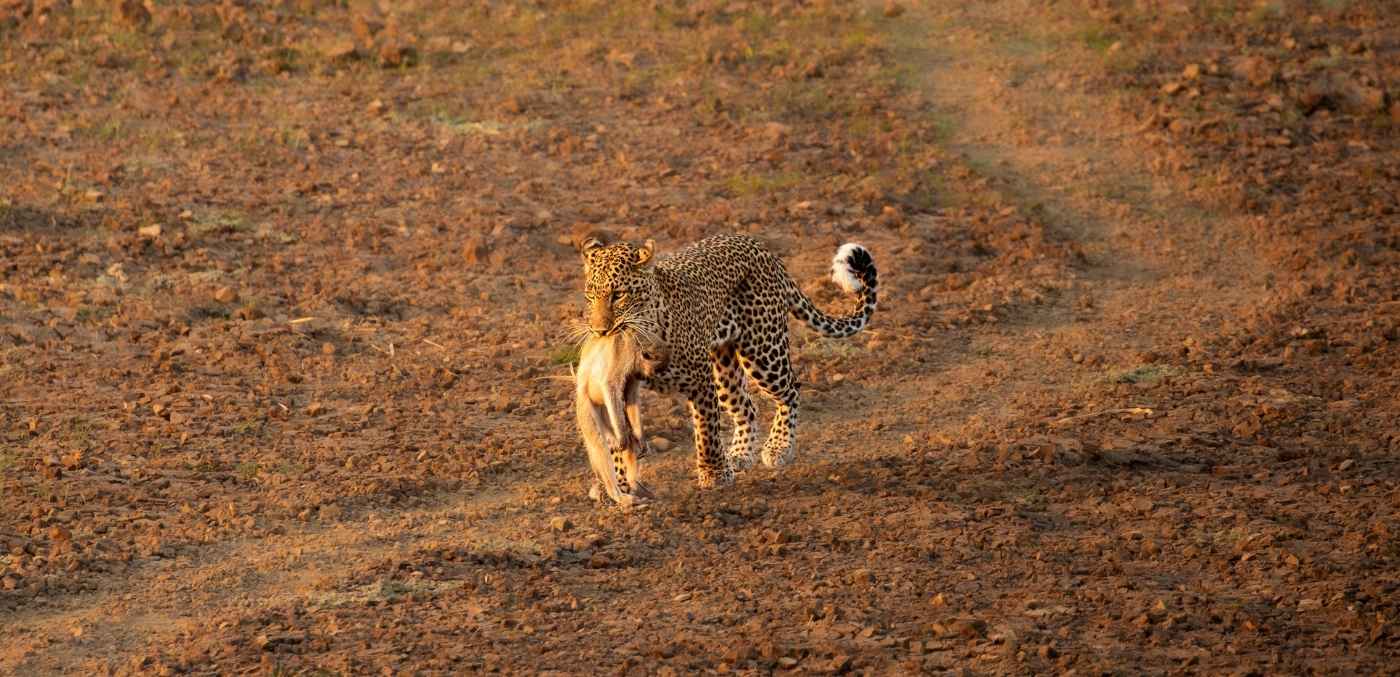
Sprawling plains and dense woodland frame the Luangwa River in South Luangwa National Park, where visitors can drive or walk through the scenic surroundings. Covering more than 9000 square kilometres of the Luangwa valley, the dramatic landscape hides an abundance of wildlife within its embrace. Although the rhino was sadly poached to extinction in this region, it is regarded as one of the best safaris in Africa for leopard-spotting, earning it the monker of ‘The Valley of the Leopard’. Elephants, lions, buffalo, hippos, crocodiles, giraffe and wildebeest are also local to South Luangwa National Park, along with more than 400 bird species. Ensure you book a night safari in this region, as it’s possible to spot civets, cervals, badgers, porcupines, genets and (if you’re very lucky) a galago. South Luangwa National Park is also believed to be the birthplace of the ‘walking safari’.
When to visit: The best time to visit South Luangwa National Park is during the dry season (May to October), when wildlife congregates around rivers, making sightings easier and walking safaris safer. The wet season (November to April) brings lush landscapes and birding opportunities but can make roads muddy, some areas inaccessible, and wildlife harder to spot.
How to get there: Fly into Zambia’s main terminal, Kenneth Kaunda International Airport. Connect to a regional flight landing in Mfuwe Airport, then book a lodge transfer to drive the remaining distance to your accommodation.
Five of the best specialised safaris in Africa
Mokoro and river safaris
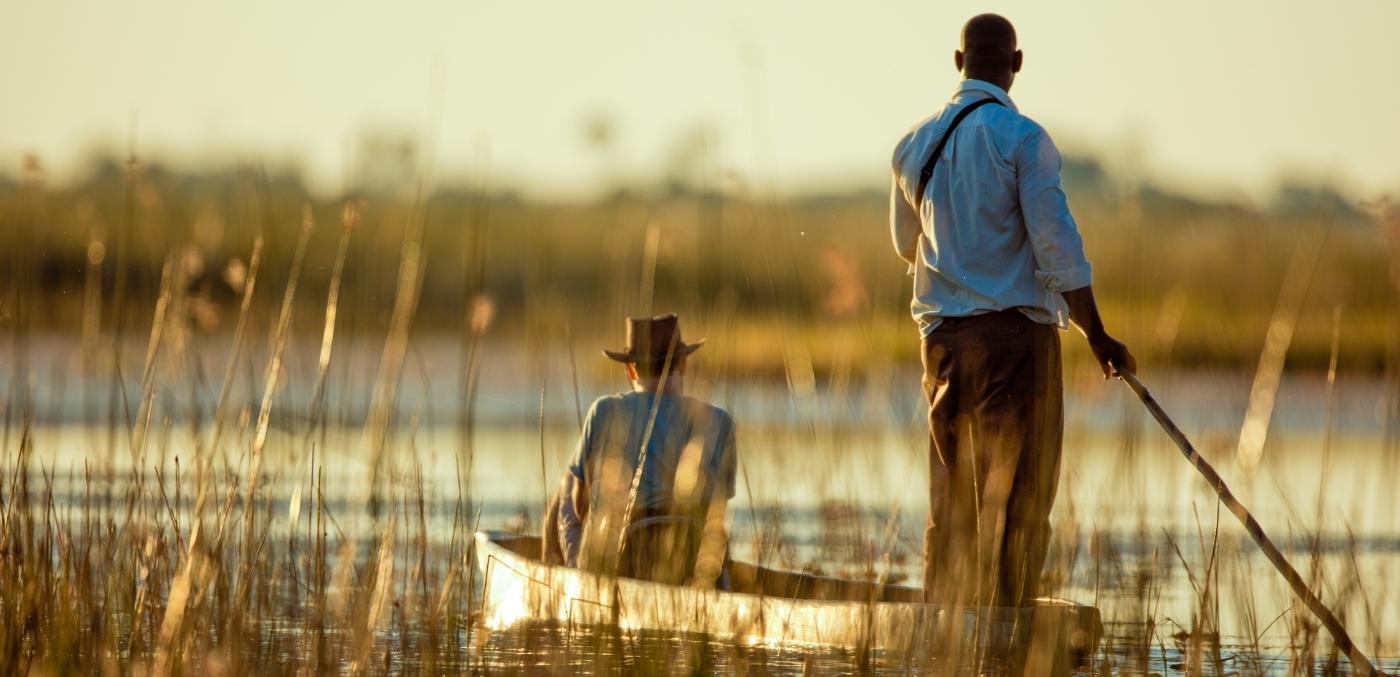
The Okavango Delta is a unique oasis surrounded by desert that floods during the dry season, drawing crowds of animals (including the ‘Big Five’). It’s one of the few places on the continent where travellers can opt for water-based, up-close safaris, such as mokoro (traditional dugout canoe) trips, which are ideal for birding and spotting aquatic wildlife.
River safaris are suitable for year-round wildlife viewing and offer passengers sightings of big cats, elephants, buffalo, hippos and crocodiles all seen from the comfort of a luxury vessel. One of the best safaris in Africa for river cruising is the Chobe River in Botswana, as the region has one of the largest concentrations of elephants in Africa, more than 450 species of birds and a variety of luxury lodges perched along the waterway.
Gorilla trekking
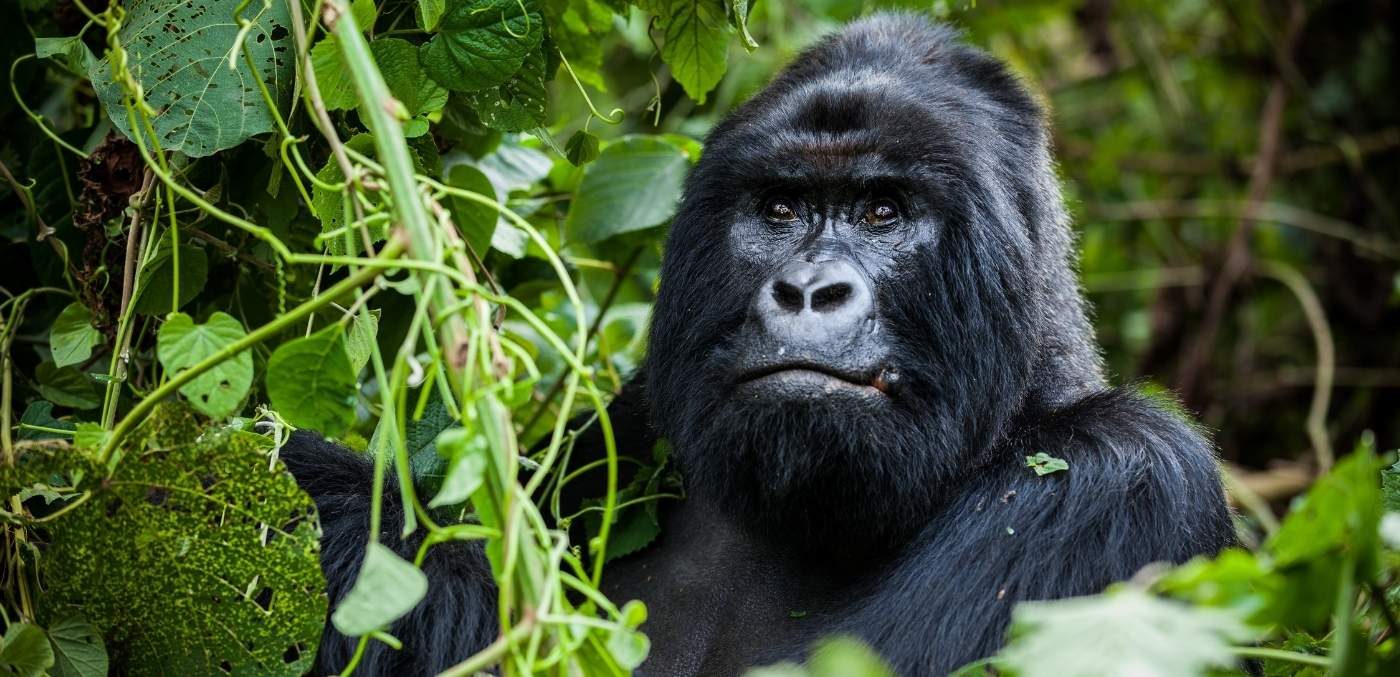
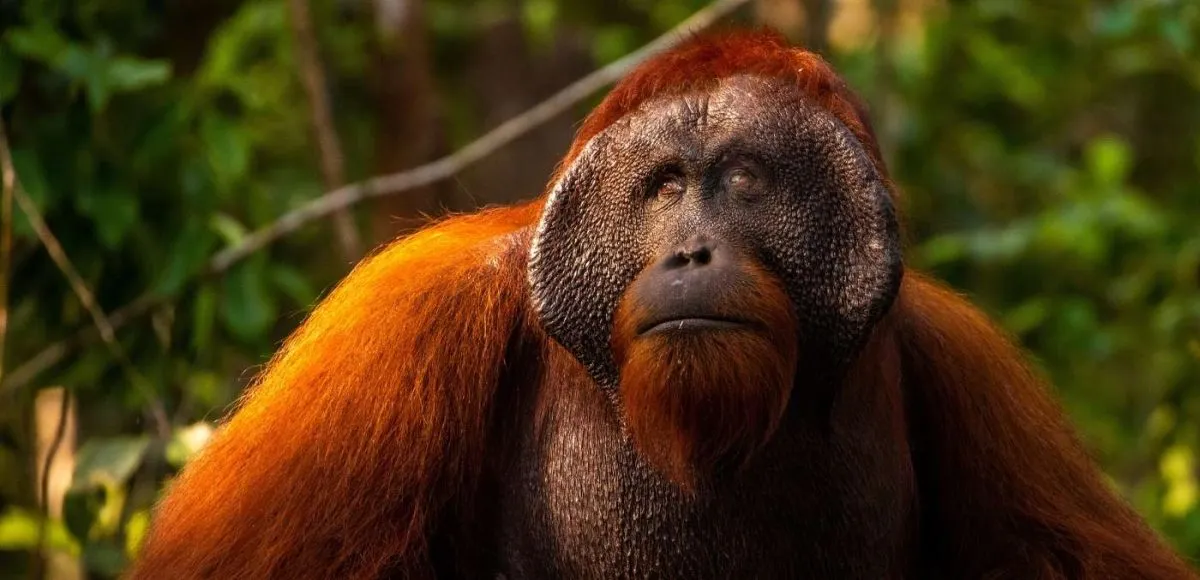
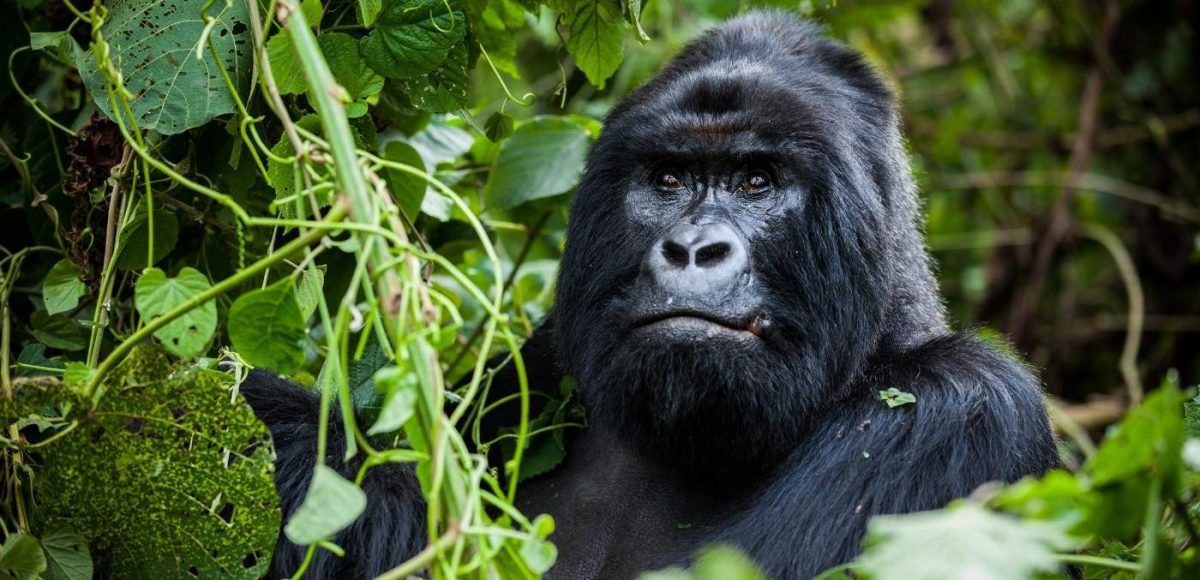
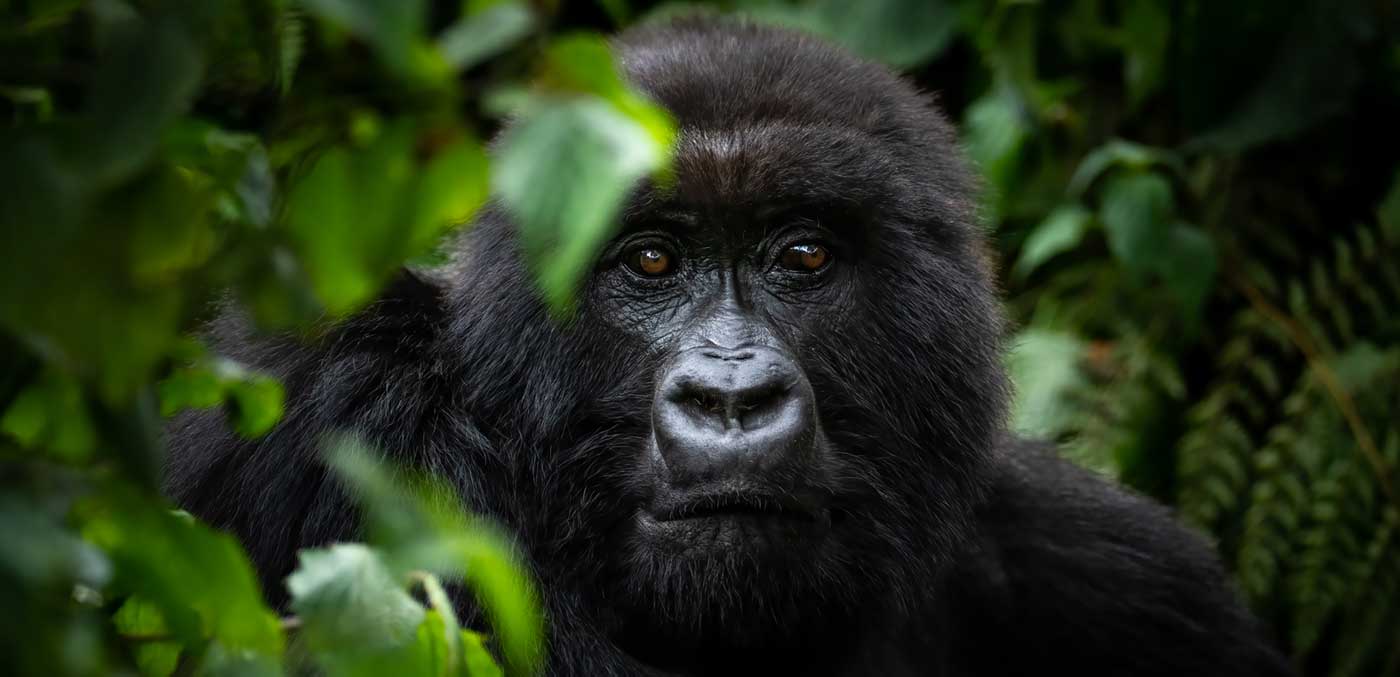
There are two world-renowned areas in which gorilla trekking tours are conducted: Volcanoes National Park in Rwanda; and Bwindi Impenetrable National Park and Mgahinga Gorilla National Park, both in Uganda. Visit the between June and August, and December to February for prime viewing conditions.
Chimpanzee trekking
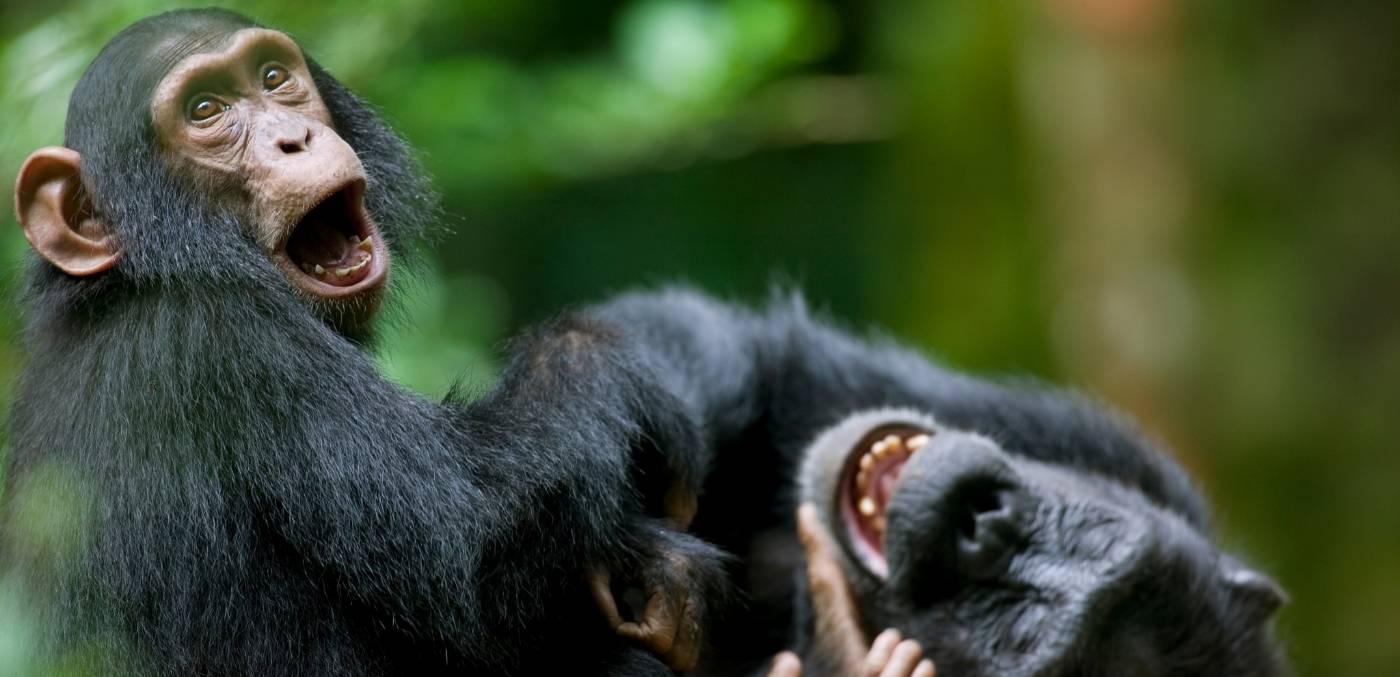
Similar to gorilla trekking, travellers can come face-to-face with chimpanzees in Uganda’s Kibale National Park. Known as the ‘Primate Capital of the World’, the park is home to more than 1,500 chimpanzees, with treks offering a high success rate and up to one hour of close observation once the chimps are found. Alternatively, Mahale Mountains National Park is the primary destinations for chimpanzee trekking in Tanzania. Chimpanzee trekking in Rwanda is available only in Nyungwe Forest National Park.
Desert safaris
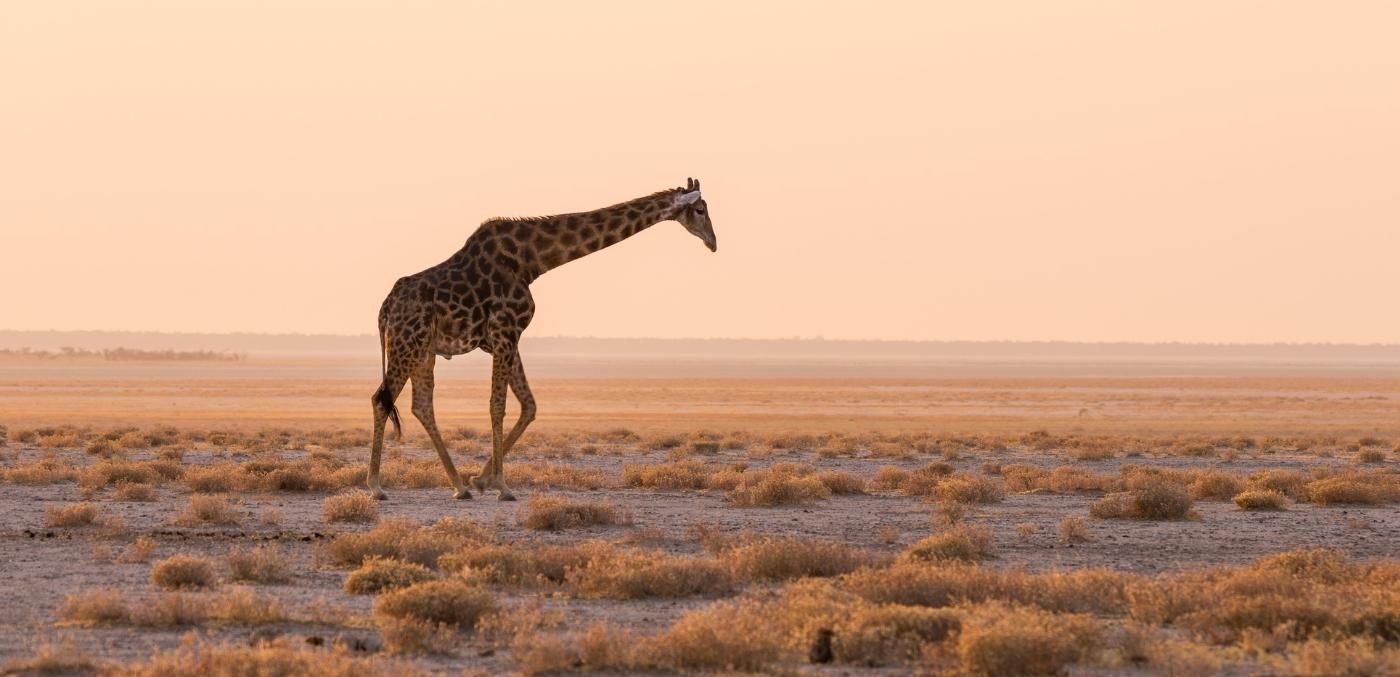
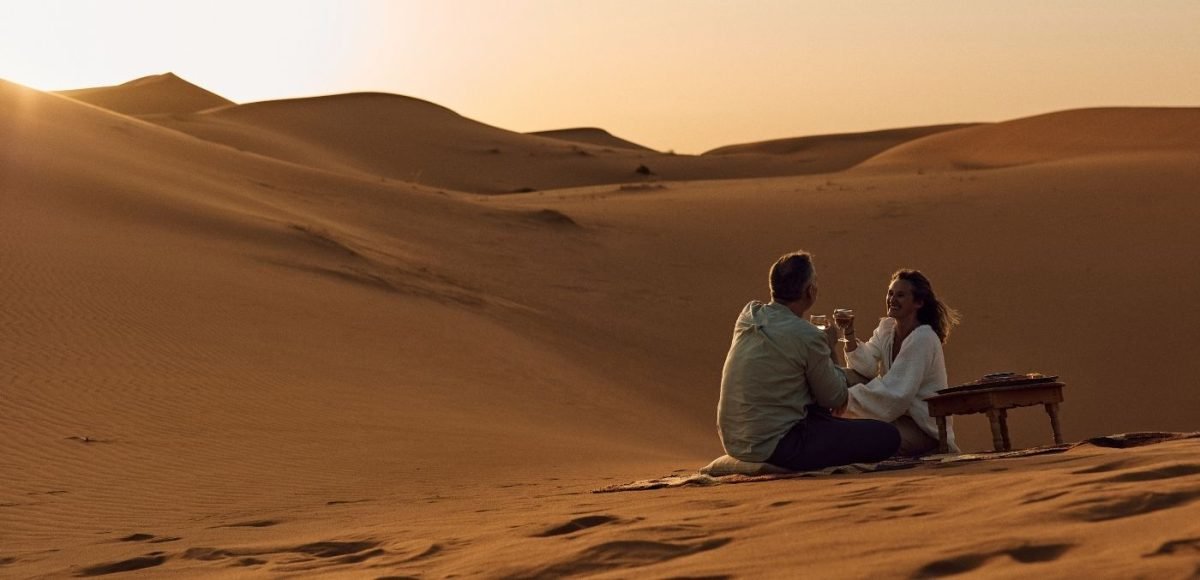
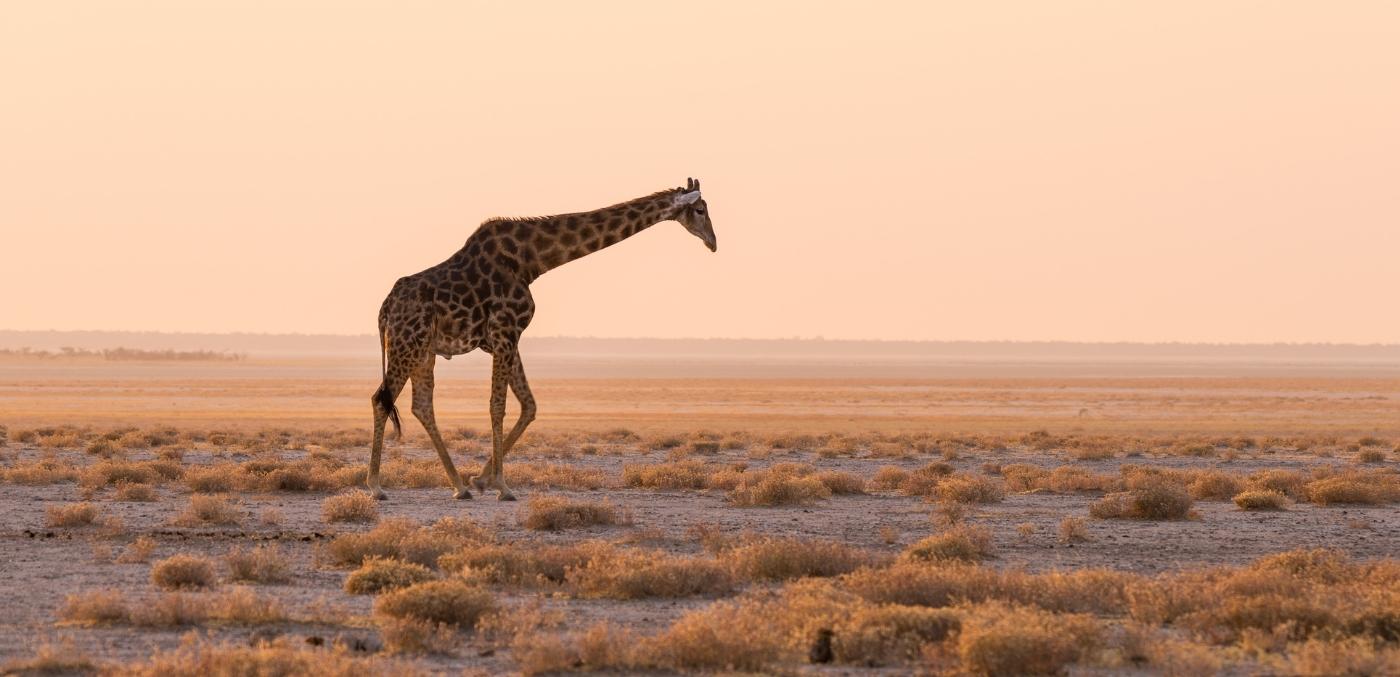
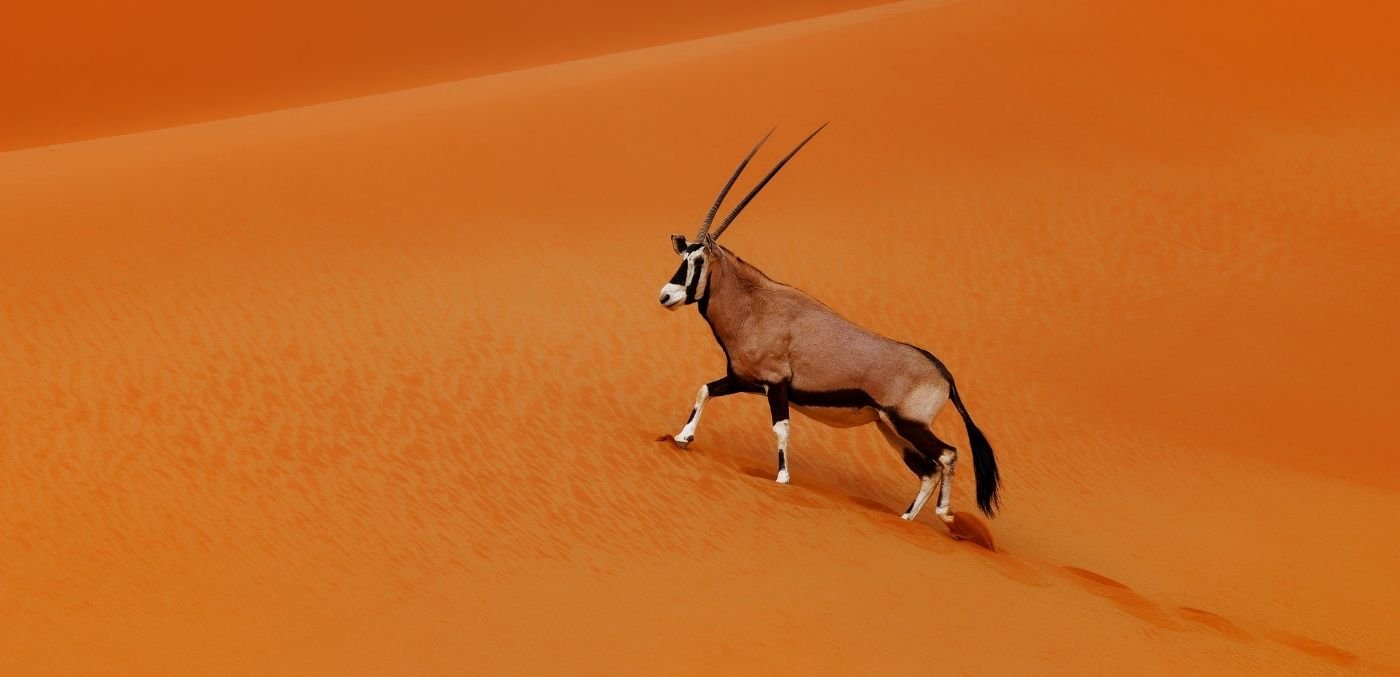
Travellers who have visited many of the best safaris in Africa may wish to diversify their adventures with a desert safari, offering encounters with rare animals adapted to arid conditions, including antelope, Kalahari lions, desert elephants, meerkats, aardvarks, brown hyenas, fennec foxes, and, if you’re incredibly lucky, a pangolin. The Kalahari (Botswana, South Africa, and Namibia) and the Namib Desert in Namibia are excellent options for such experiences. Alternatively, visit the large salt pan of Etosha National Park in Namibia to lay your eyes upon otherworldly landscapes, flamingoes, ostriches or the black-backed jackal.
Photographic safari
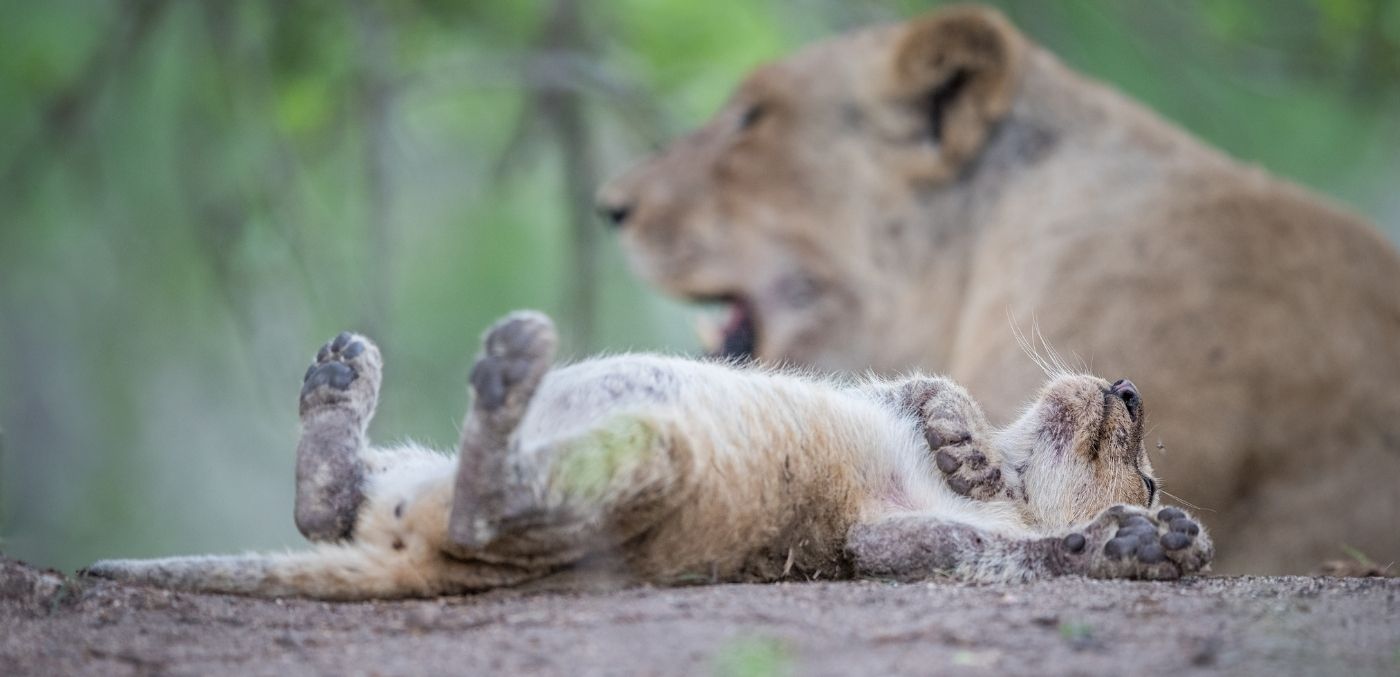
Shutterbugs planning a photographic expedition should look no further than Sabi Sands Game Reserve in South Africa. This private reserve shares a fenceless border with Kruger National Park, providing wildlife photographers with unobstructed views and exclusive access to prime viewing spots of leopards and the ‘Big Five’. With a permanent waterway running through this lowveld landscape, rocky outcrops and forest, the background context of the images are just as captivating as the subjects.
Top five travel companies for safaris in Africa
Abercrombie & Kent
Abercrombie & Kent is a globally renowned luxury travel company that specialises in bespoke safaris and high-end experiences across Africa. They are regarded as a top-tier safari operator for their exceptional service, expert guides, exclusive accommodations, and meticulously curated itineraries that combine wildlife encounters with comfort and style. The company has been operating tours across the globe since 1962, and founder Geoffrey Kent is believed to be the pioneer of modern luxury safari touring in Africa.
andBeyond
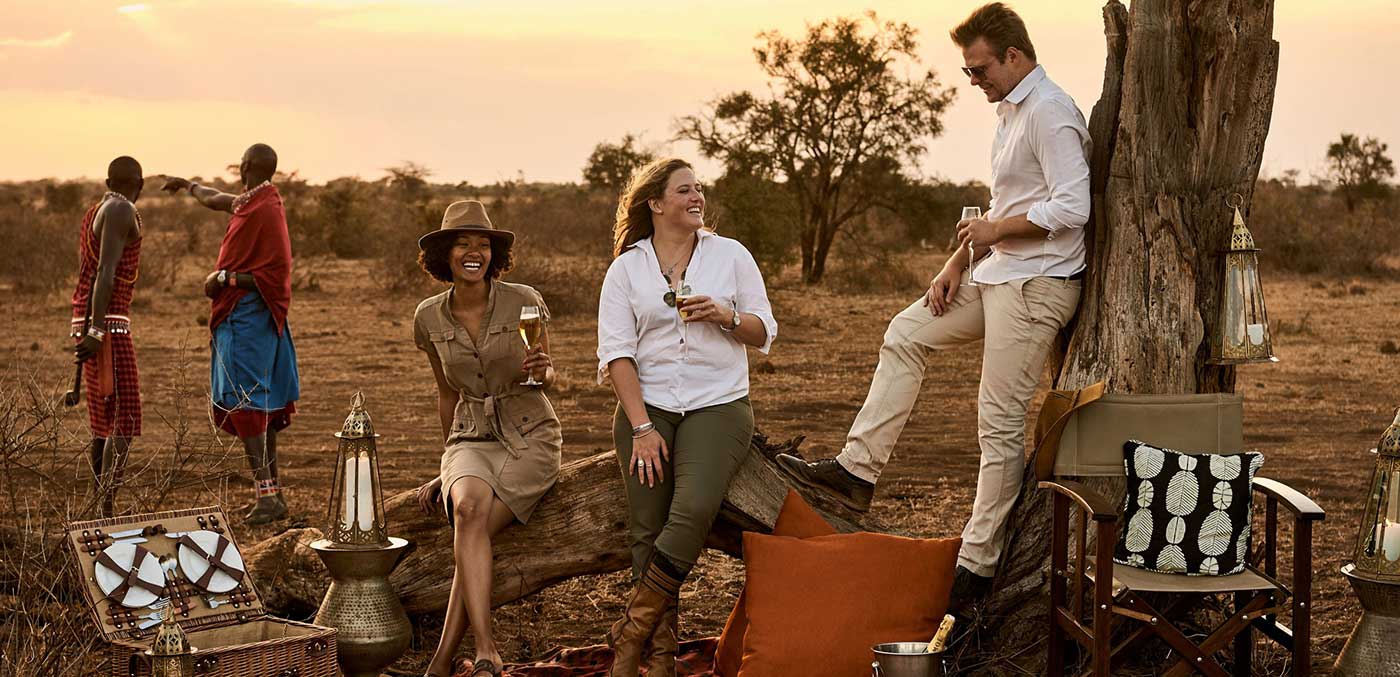
Hosting guided luxury experiences across Africa, Asia, Antarctica, South America and the Indian Ocean Islands, andBeyond is a world-renowned tourism operator with robust responsible tourism and sustainability policies. With 30 years of experiencetaking discerning travellers into the world’s most beautiful locales, andBeyond is known for its spectacular safari properties in places such as the Serengeti, Chobe, Okavango Delta, Sossusvlei Desert and Ngorongoro Crater.
Wilderness Destinations
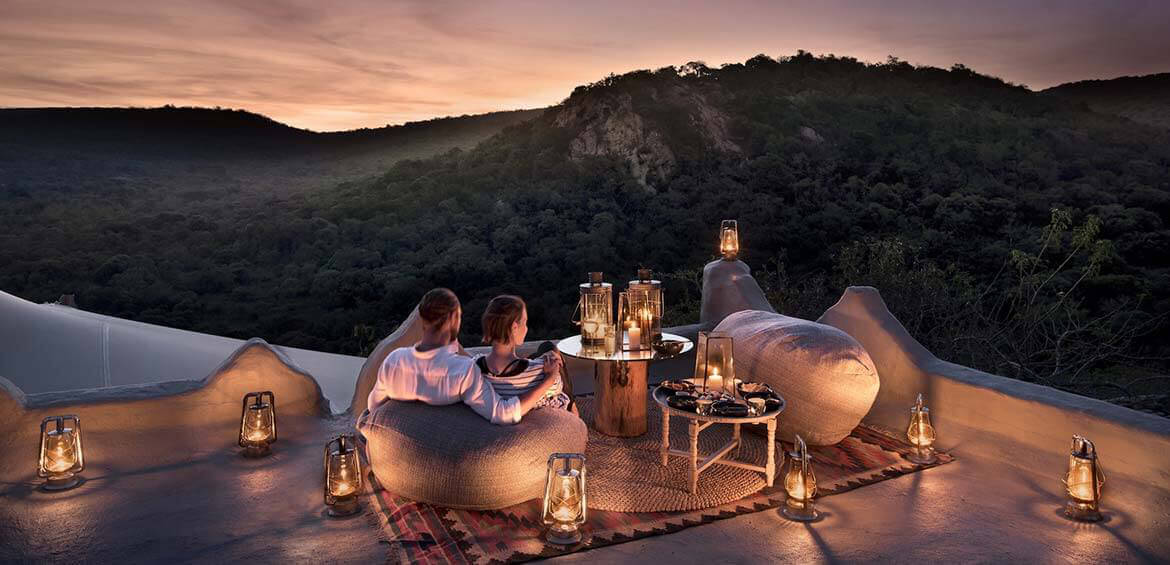
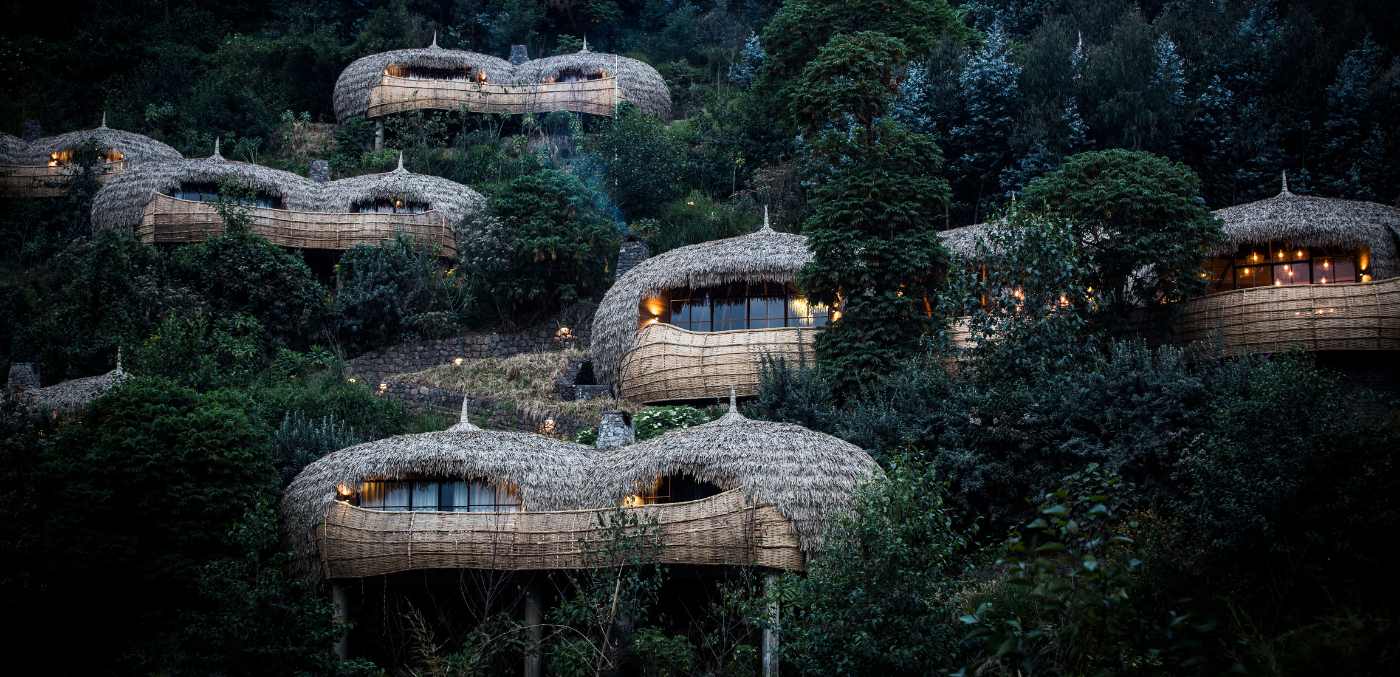
Wilderness Destinations is an award-winning conservation and hospitality company specialising in tailor-made itineraries and explorations of some of Africa’s most biodiverse locations. Their Wilderness Bisate Lodge is one of the most beautiful bases from which to meet Volcanoes National Park’s gorillas, and their guided tour options include helicopter and boat safaris, gorilla trekking, rhino tracking and desert e-biking.
Singita
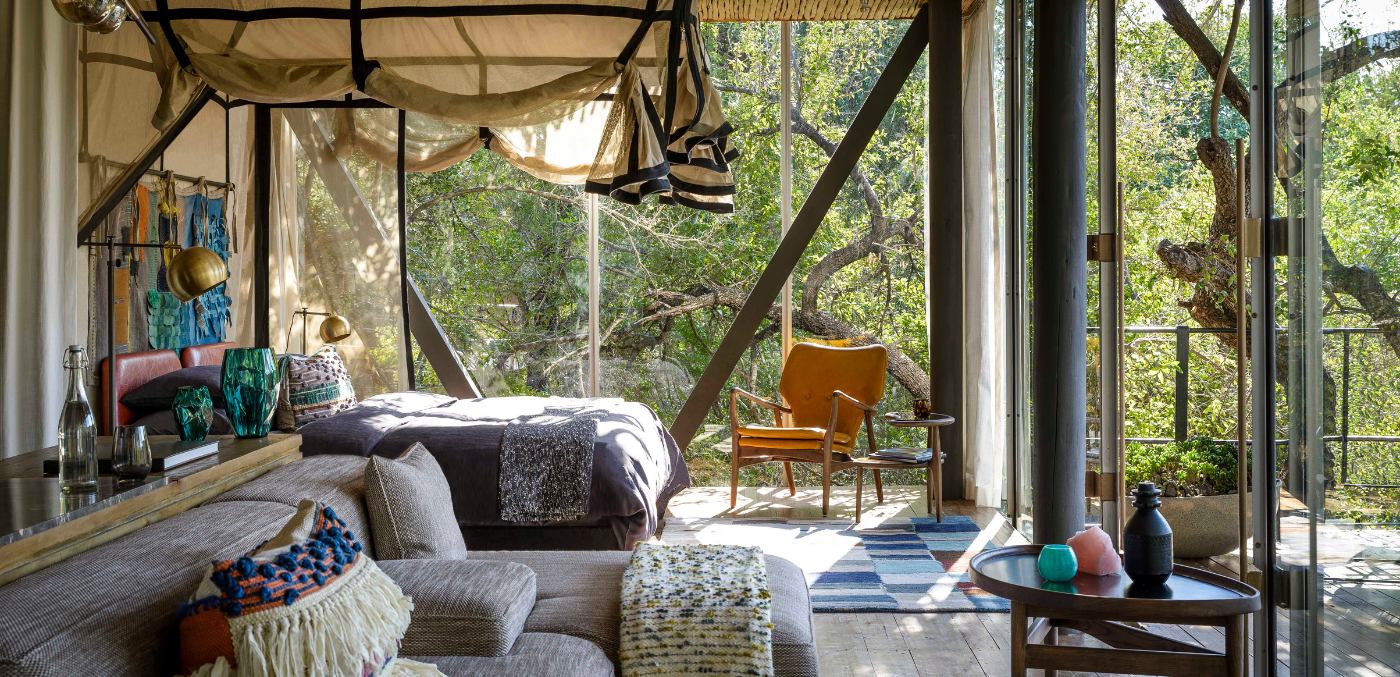
Ensuring limited guest numbers, privacy and personalised service at its award-winning lodges and villas across Africa, Singita is an ecotourism operator offering stylish stays and unique safari experiences since 1993. Singita has properties in areas such as Kruger National Park, Sabi Sands, the Serengeti, Volcanoes National Park and Malilangwe Wildlife Reserve.
Micato Safaris
Micato Safaris was established in 1966 by a Kenyan farmer. Today, it is a respected tour company providing luxury guided explorations of Africa and India, and holds awards from Travel & Leisure, Virtuoso and Condé Nast Traveler. This organisation also sponsors one Kenyan child’s education for each guest that travels with them. Tours include meals and accompanying beverages, Wi-Fi, all tips and gratuities, free valet laundry service and a 24-hour concierge team.
Go2Africa
Go2Africa is a South African luxury safari operator headquartered in Cape Town, renowned for crafting bespoke, high‑end African travel experiences across Southern and East Africa. Since 1998, the company has combined over 25 years of deep local expertise with personalised itinerary design, first‑hand destination knowledge, and 24/7 on‑safari support. Its award‑winning service, including recognition as Africa’s Leading Luxury Tour Operator, reflects an unwavering commitment to quality and sustainability.
The Africa Safari Co.
The Africa Safari Co. is a bespoke Australian safari specialist with nearly three decades of experience designing tailored journeys across Southern and East Africa, as well as Egypt, the Indian Ocean islands and Madagascar. Based in Sutherland, New South Wales, the company curates personalised safaris using small, exclusive lodges and tented camps that immerse travellers in the continent’s remote wilderness, wildlife and cultural landscapes.
FAQ
What country in Africa has the best safaris?
There is no one country in Africa known for having ‘the best’ safari. Rather, particular regions excel for different reasons. Travellers seeking gorillas or chimpanzees should go to Uganda or Rwanda. Those looking to spot the ‘Big Five’ should arrange for a tour in Serengeti National Park in Tanzania, Kruger National Park in South Africa or the Maasai Mara National Reserve in Kenya. However, for people who wish to see more waterways or experience a water safari, the Okavango Delta or Chobe River in Botswana are the best options. If spotting the elusive leopard tops your bucket list, South Luangwa National Park in Zambia is known as the ‘Valley of the Leopard’.
What is the safest country in Africa for a safari?
Countries such as Botswana, Namibia, Rwanda, Tanzania, and Kenya are generally considered safe for safari holidays, with well-managed national parks and lodges providing secure environments for tourists. Uganda’s national parks, including popular safari destinations, are increasingly stable and safe for visitors, though some areas outside the parks may still require caution. In South Africa, urban areas can experience high crime rates, but its game reserves and national parks, such as Kruger National Park, are well-secured and considered safe for travellers.
Which is better for safaris, Kruger National Park or Serengeti National Park?
Each of these parks are world-class location for spotting Africa’s most iconic wildlife, but they offer two very different safari experiences. Choose Serengeti National Park for viewing the Great Migration, choose Kruger National Park for spotting the ‘Big Five’ year-round.
Inside South Africa’s first luxury wheelchair-friendly safari lodge
Safari of a lifetime at andBeyond’s Phinda Private Game Reserve
15 five-star hotels and resorts with incredible animal encounters
This article is a Signature Luxury Travel & Style digital exclusive. Be the first to see more exclusive online content by subscribing to the enewsletter below.