




Want VIP treatment everywhere? 22 luxury travel experts explain how.
As told to Signature Luxury Travel & Style Editor-in-Chief Christian Barker.
From the minds of luxury hospitality professionals and well-travelled experts comes an insider’s guide to navigating the world of high-end travel. Discover how to spot the details that define a remarkable hotel or restaurant, avoid common pitfalls, and use simple strategies to elevate the service you receive. These industry leaders offer practical guidance to ensure your journey is as smooth as silk — and filled with superb luxury experiences, wherever in the world you may wander.
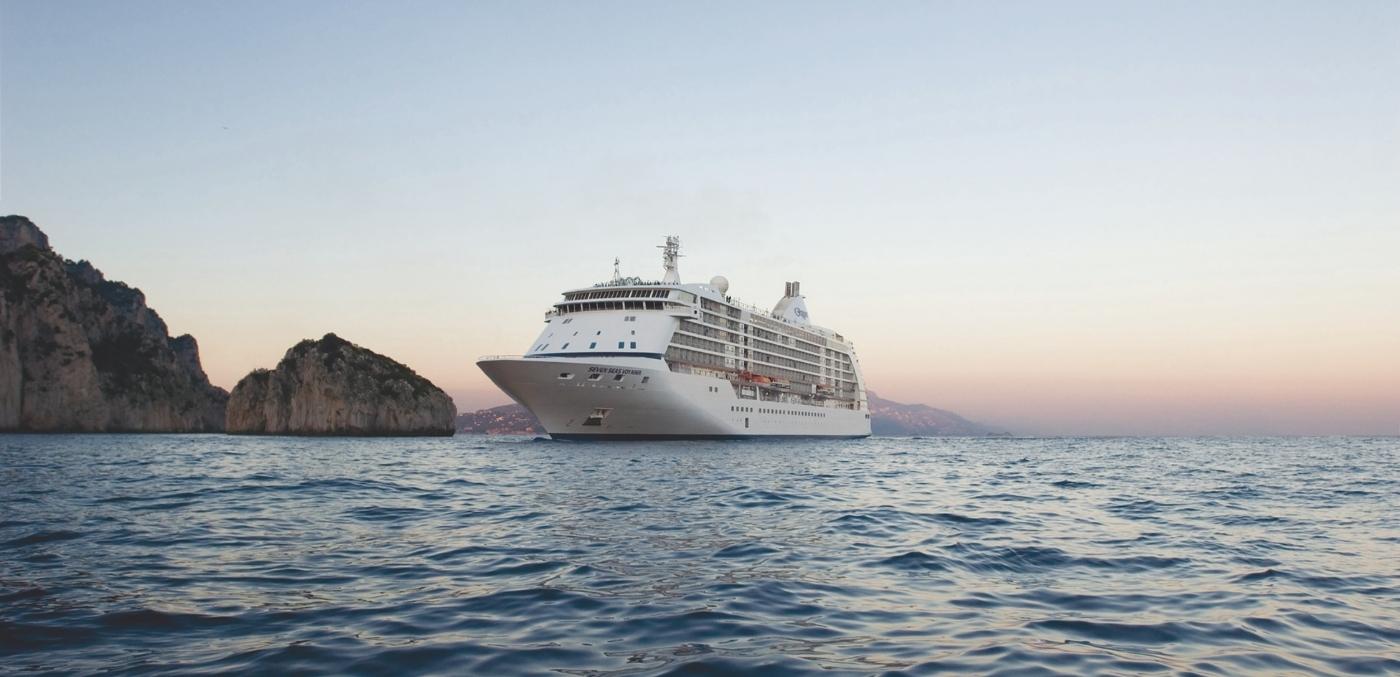
Lisa Pile | General Manager APAC, Regent Seven Seas Cruises
I always say pack your patience and a sense of humour when travelling – you definitely need forbearance these days. Still, travelling is a huge privilege. Enjoy every moment, even the holdups. I personally love airports; I love people watching if there’s a delay. It’s a fact of life that bags can go missing during air travel, so your hand luggage should have all the essentials. This includes a change of clothes, passport, battery pack, phone chargers, all necessary documentation, and medication. The second thing I would highly recommend is travel insurance.
When you’re getting onboard a cruise, walk around and get to know the ship on the day you embark. When you get into your suite, unpack, hang everything up and put the bag under the bed – you’re officially on leave. When you’re travelling on land or flying from place to place, it’s tough having to constantly pack and repack, check in and check out, whereas on a cruise, it’s such a wonderful opportunity to just unpack and relax.
In hotels or cruises, the more information that the guest gives us, the more we can personalise and individualise the service to their needs and tastes. Regent Seven Seas is an all-inclusive offering, right down to a personalised mini bar which is replenished daily. Why not let us know what you want in advance in that mini bar? It can be any kind of drink. The more we know about you, the more we can personalise. What kind of food do you like? Are you allergic to anything? Is there something on the cruise you have always wanted to do? Are you celebrating a special occasion? People can be wary of sharing personal information. But rest assured, that personal information stays with us, it’s secure and we only use it to enhance your journey.
Christian Westbeld | Managing Director, Raffles Hotel, Singapore
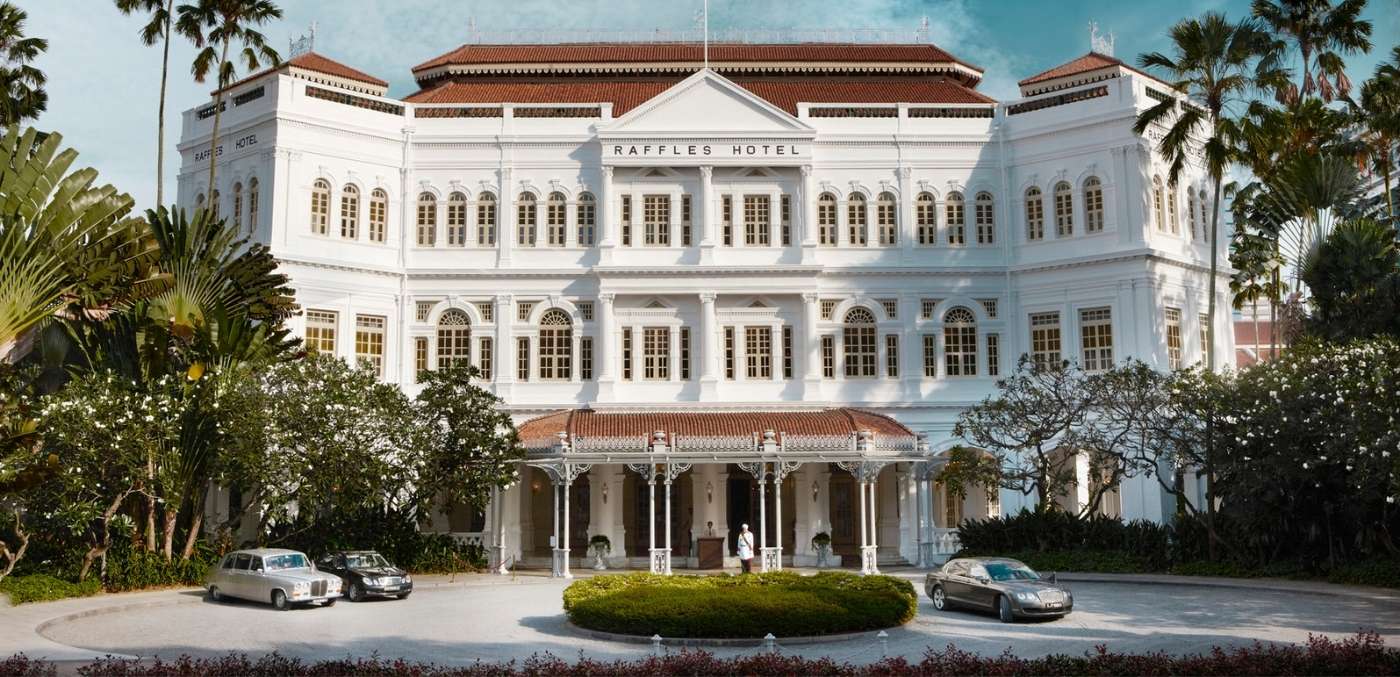
I’m a hotelier 24/7 – it’s not something I switch on and off. Of course, when I travel, I’m on high alert, and in this industry, every moment offers something to learn. Every interaction, every experience – whether it’s a visit to the supermarket, a morning run, a cycling trip, taking the train, driving, flying, or checking into one of the best hotels in the world – there’s always an opportunity for hoteliers to observe and improve. That’s the beauty of this industry.
Having an open mind, avoiding assumptions, and really putting ourselves in the shoes of the person we’re engaging with – that’s something I’ve learned over time. The moment I let go of preconceived notions, I started taking away so much more from conversations with others. In today’s world, especially in the service industry, being recognised as an individual – not just passed along or processed as part of a transaction – is invaluable. When someone truly sees me, spends time with me, and takes me seriously, I always return the same energy.
I’ve noticed it in myself. If I’m preoccupied with a thousand different thoughts and someone directly engages with me, I make it a point to pause, step back, and really invest in that conversation. That sense of individual attention is something we strive for at every level – allowing guests to feel that same connection with every member of our team. We try to spend the time with our guests to build a really sincere and honest relationship. I think that’s what Raffles Hotel is all about. It’s not transactional. We have this beautiful saying, “You arrive as guests, you depart as friends and you return as family.” That’s the feeling we want to instil. The ability to create a lasting sensation, that is priceless. And that, to me, is what good hospitality is all about.
My travel essential, and I have several sets because I can’t be without them, is Loop earplugs. They go from concert-proven noise control and volume control, all the way to everyday sleeping quality. You don’t feel them in the ear, but they offer a level of silence and they filter out the noises that usually wake you up. Please understand, I’m not an ambassador, I’m just a huge fan. They are in every bag that I could possibly take on an aeroplane, because getting a good night’s sleep on a flight is so important. And if you’re in a different time zone, they’re also very helpful in hotels. Honestly, they work wonders – I often give them to friends as gifts.
Debra Fox | Managing Director UK & APAC, Abercrombie & Kent
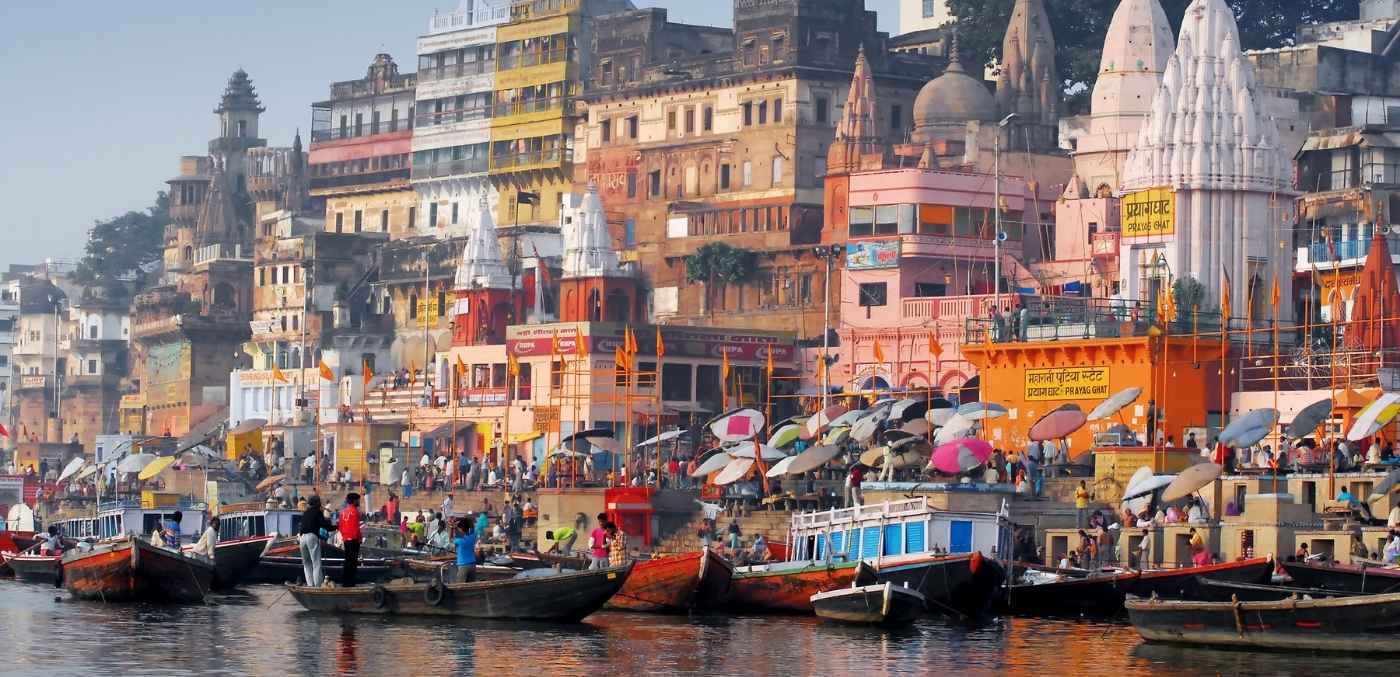
I’ve learned that when I push myself past my comfort zone, the rewards are enormous. A good example is a trip I took to Varanasi in India, which is such an intense and confronting place for so many reasons – the sheer number of people, the funeral processions, the burning of bodies, the deeply religious atmosphere, the reverence for the Ganges, the overwhelming smells, the food, the sights – every single sense is activated at once.
That experience taught me the power of having a guide who truly sees you – someone who understands what’s important to you and is willing to create a story that’s uniquely yours, rather than following a rigid, cookie-cutter itinerary. Some tours might take you through Varanasi in a coach, keeping things safe and comfortable. But for me, the depth of immersion made all the difference. It was one of the most incredible experiences of my life, and I encourage everyone to have a ‘Varanasi moment’ like I did. I never expected to have that experience; it wasn’t something I planned. But my guide took the worry out of it and made it happen. Because of that, I was able to linger, to breathe, to relax, and actually be part of it rather than just pushing through or keeping a safe distance. For me, that’s what makes an experience truly remarkable – when you can let go and fully absorb it.
Wherever I’m going, I always read at least one book or listen to one or two podcasts on the area I’m visiting. Usually, it’s nonfiction, though I don’t mind a bit of fiction too. I want to understand the political, geopolitical and cultural context of a place so I can appreciate and recognise the nuances when I’m there. I research restaurants extensively. I look for great food experiences, not necessarily the obvious ones. It doesn’t have to be fancy – I just love discovering hidden gems. I also check if there are any sporting events or concerts happening in the cities I’m visiting so I can book tickets in advance. I try to take cooking classes, too; I love doing them in someone’s home. It’s a fantastic way to learn about the culture, family traditions, and the history behind certain dishes.
As for packing, I take two suitcases if possible. To keep myself disciplined, I take photos of my clothes and match outfits for specific events or days. It helps me avoid packing unnecessary items that I’ll never wear. On the plane, I always take a pair of pajamas or pajama-like clothes to change into, regardless of the class I’m flying, because I want to relax and feel fresh when I get off the plane. A pashmina is another essential – it’s useful on the plane, but also while travelling, and serves countless purposes. I always bring noise-cancelling headphones and Armour Force pills. I take ginger tea, too – those are my go-to travel essentials, whether I’m flying to or from somewhere. Those are a few of my personal travel rituals.
Kristina Snaith-Lense | General Manager, The Upper House, Hong Kong
My top priority when I fly somewhere: Sort out the jet lag. What helps are my longevity practices. I travel with my red-light belt. You know how some people wear those red-light Iron Man masks to prevent ageing? Using the same technology, you can buy blankets, sleeping bags and full-size mats or belts that go over any part of your body. It reduces inflammation in any part of your body. For example, if you’re on a 14-hour flight and you’re feeling stiff, it can take away the aches and pains and help the digestive system. This is one great hack.
I also travel with AG1, which is a vitamin supplement that we carry in all our rooms at The Upper House. It’s essentially super-greens in a powder, and I take it as soon as I get on the plane and for every day that I’m travelling. When your whole body clock is upside down, it helps boost immunity. On social media there’s a trend where travellers apply Korean face masks. On a long-haul flight, once everyone is asleep, I put one of those on, so I arrive looking fresh. Most importantly, I travel with running shoes. As soon as I get to any city, I like to discover it by going on a run and killing the jet lag in the process
Sandeep Bhalla | General Manager, The Connaught Hotel, London
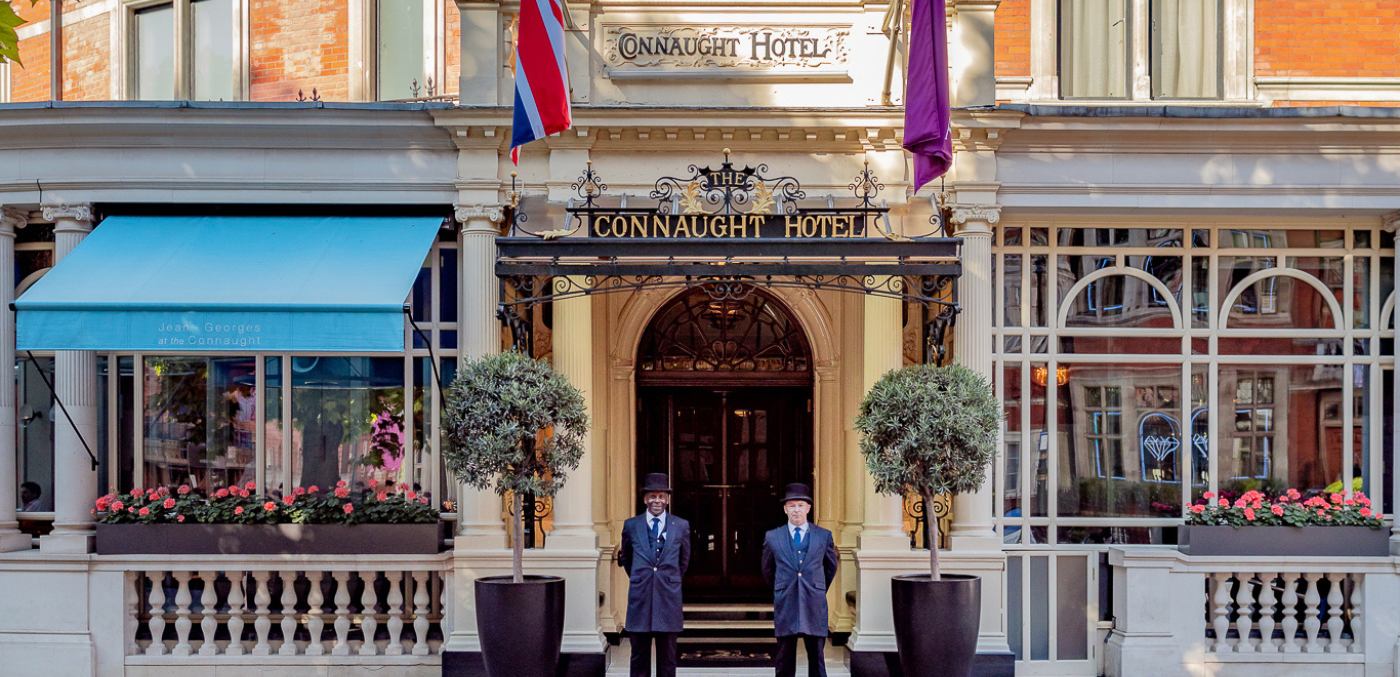
Whenever I travel, I pay attention to two things: the product and the energy of a place. At The Connaught, everything we do revolves around guest experience and staff satisfaction. Every decision has to enhance both guest and staff experience equally. Our investments reflect that – whether in guest amenities or staff facilities, we treat both with the same level of care.
One of the biggest lessons I’ve learned from travelling is that a hotel’s energy is just as important as its physical offerings. When you walk into a property, you can immediately sense whether the team is happy, engaged, and genuinely welcoming. It’s something I pay close attention to. Consistency is another key factor. A hotel can provide great service once, but the real challenge is delivering that day in, day out. That’s where leadership comes in – making sure the team is continuously operating at the highest level.
I’d encourage guests to engage with the concierge. It sounds simple, but many don’t take full advantage of this resource. They miss out on hidden gems, lesser-known shows, events and exhibitions, or local experiences beyond the usual recommendations. Everyone wants to visit the famous spots, but sometimes the best experiences come from asking the right questions.
I always travel with probiotics capsules. They help your metabolism function properly, especially when crossing time zones, adjusting to different meal schedules, or dealing with irregular sleep patterns. When you’re running on little sleep or taking a red-eye flight, they help keep everything balanced – your digestion, energy levels and overall wellbeing. Simple, but surprisingly effective.
Anna Nash | President, Explora Journeys
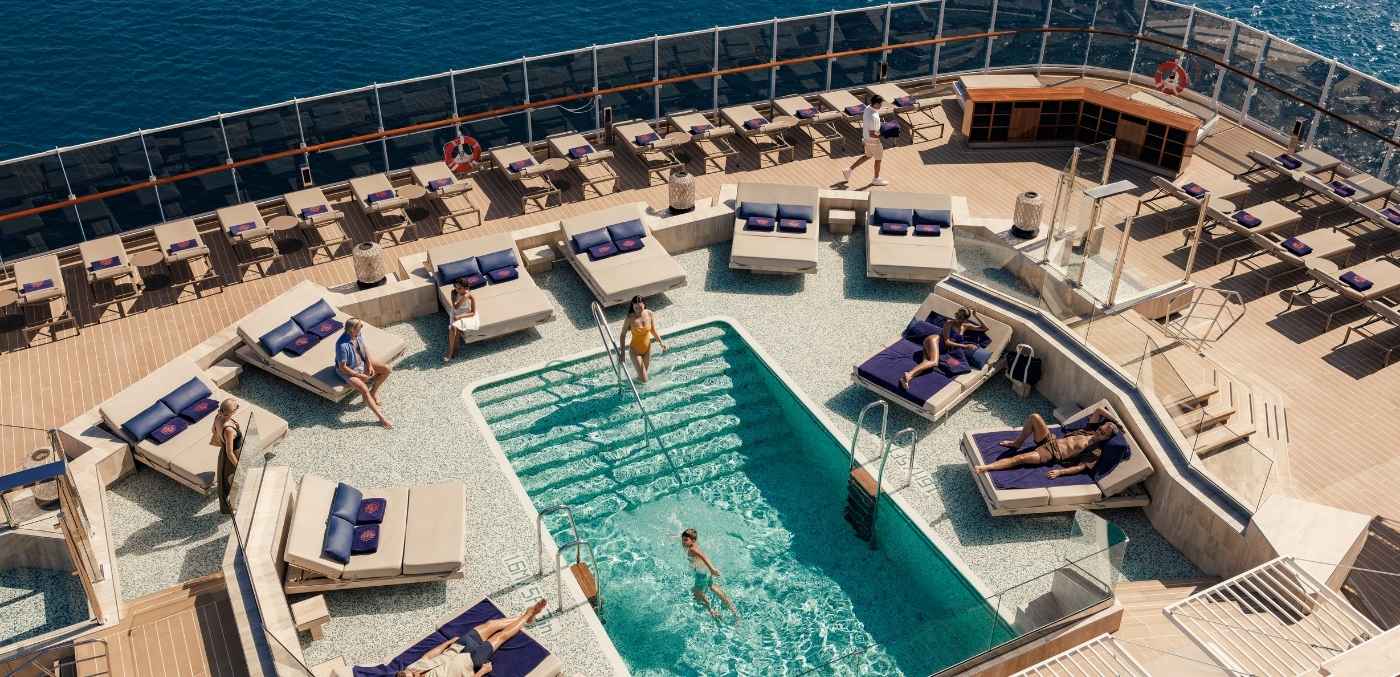
Travel has taught me that true luxury isn’t about excess – it’s about emotion, intention and connection. Often, the most meaningful moments are the quietest: the stillness of the sea at sunrise, or a smile offered with such sincerity, you feel it comes from the heart. At Explora Journeys, we encourage our team to be truly aware – to see, to listen, to notice. The most memorable moments aren’t scripted; they come from genuine connection and an intuitive understanding of each guest. We talk often about emotional intelligence. It’s what elevates service into something more soulful. Whether it’s remembering a preference or sensing when space is needed, we empower our team to act with quiet thoughtfulness. Luxury is deeply personal and our guests feel the difference when something is done with care, just for them.
One of the most moving experiences I’ve had was during my time with Aman, on a journey to Bhutan with my husband. At the end of an extraordinary two-week journey, rich in culture and the kindness of the human spirit, we hiked up to Tiger’s Nest with our guide. At the summit, he quietly led us into a small room which he had pre-organised to be filled with glowing butter lamps, each lit as a blessing for our onward journey home. It was completely unexpected, deeply personal, and so touching. We both had tears in our eyes. Even now, we speak of that moment with a glow. It captured everything I believe travel should be.
Over the years, I have found that travelling light brings a sense of calm. I prefer hand luggage where possible, a neutral palette for clothing, with no patterns and pieces that layer and work effortlessly together. It’s not about packing less, but about packing with clarity. When you are not weighed down by too many choices, you move through a journey with ease and make better use of your time. I never travel without a silk scarf. It’s a simple piece, but endlessly versatile, whether adding polish to an outfit or becoming a wrap on a cooler evening, and it always comes into use on a flight.
Belinda Hindmarsh | Group Deputy CEO Global Business, Ponant
I’ll always have a cashmere sweater with me when I travel. It weighs nothing, it’s warm for freezing-cold airline lobbies, but it’s also elegant. I also always pack something to eat. When you’re going on complicated itineraries, you can’t rely on people feeding you. I usually bring a pack of grissini, because you don’t want to be stuck somewhere and starving. And when you’re transiting between time zones, you just don’t know when you’re going to be hungry. People tease me about what I pack in my bag, but it’s all about staying warm and fed.
Luxury hospitality is about being seen, recognised and understood with relaxed help, not formal operating procedure. It’s being able to problem-solve and connect. The frame is the ‘hardware’ – the hotel, the ship – but it’s the destination, the culture and most importantly the people that you’re meeting that you will remember, not that ‘hardware’. Right now, for example, I’m staying at the Four Seasons in Sydney, and it’s a hotel I love because the people are excellent. The people are hospitality experts that make you feel at home, recognised in a way that it is warm and authentic. That’s the key.
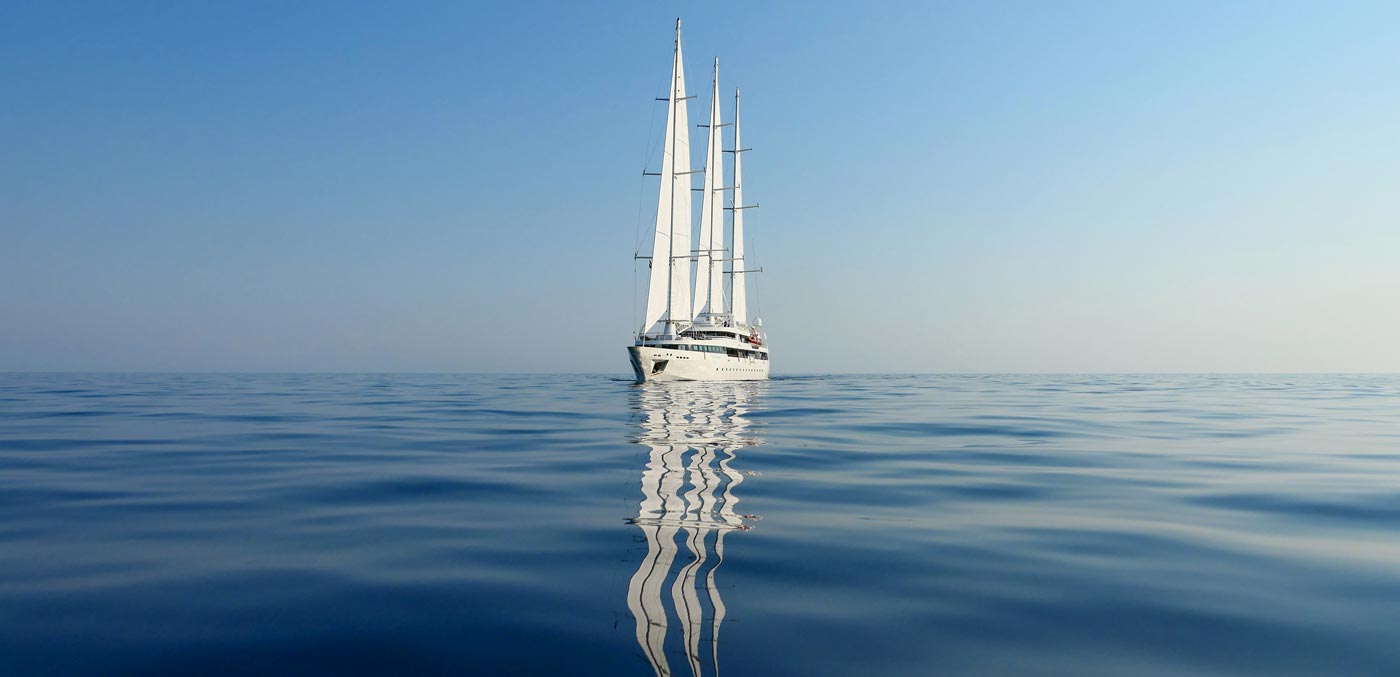
Different guests look for different experiences for different reasons. Guests should communicate up front, set those expectations early on, perhaps even in the booking phase. If you are celebrating, our team are very good at marking magical moments. If there is something you particularly want to do or see, let us know. For instance, we have our naturalists onboard Ponant’s ships to help spot that rare animal. It’s all about communication and trust. Trust the experts, they know what they’re doing and how to provide the best experience, even if they are suggesting something out of your comfort zone.
Anthony Lark | Executive Director, Shinta Mani Hotels
If you’re a seasoned traveller and want a great experience – especially if you’re paying decent money – get to know the general manager. You’ll feel the difference when you arrive. Ask reservations for the GM’s email and write to them directly. They might pass you off to the front office manager, but once you’re on the GM’s radar, you’ll be flagged for special attention. The GM and team will be aware of your presence – not in a fearful way, but in a conscious way. They’ll know you’re paying attention to the service, just as they’re paying attention to your needs.
What I learned from being involved in small, independently owned hotels like Aman and Trisara was that we are primarily there to make people happy, and to do that, you’ve just got to relax and truly, sincerely care about being a host. If you’re running an 800-room hotel, of course, you can’t meet every guest on arrival. But in a 50-room hotel, you should. Don’t hide in the office looking at your P&L – your guests don’t want a note from you, they want to meet you. You’re the host, the innkeeper. Don’t fob your guests off with an app or an iPad. That really annoys me. Be there to greet them, be there to farewell them, and be present to make sure they’re having a fantastic experience in between.
Flying is stressful. My advice? Don’t drink alcohol anywhere near aeroplanes or airports. There is no winning involved in drinking in airports or in the air. The older you get, the more you suffer. Do everything you can to make the airport experience as painless as possible, because airports around the world now are becoming more and more traumatic. Get there early, see if there’s a fast track, maybe one you can pay for, do whatever it takes to get into a lounge. Make the experience as smooth as you can, by any means necessary.
Gebhard Rainer | CEO, HX Hurtigruten Expeditions, London
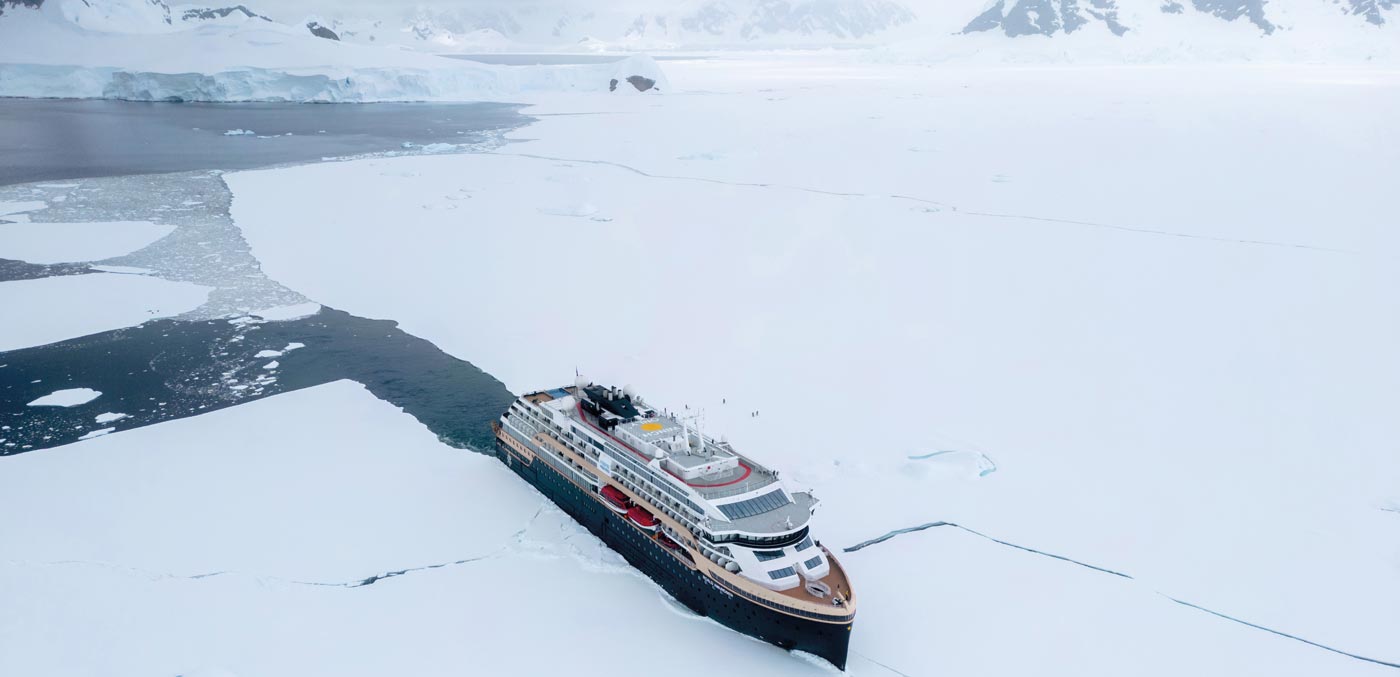
Travel has been both a personal passion and a professional compass throughout my life. Experiencing diverse cultures and approaches to hospitality has shaped how I lead in this industry, particularly when it comes to curating authentic, meaningful guest experiences. Hospitality is about connection. Travel teaches you humility and perspective, two things that are essential when designing experiences for others. It’s made me value the details that truly matter to a guest: having a sense of purpose behind the journey and being surprised in ways that feel personal and real. I’ve also learned how important it is to trust the company you’re travelling with, which spans everything from safety and security to comfort and care. As a guest, you want to feel confident that the experience is expertly designed, and that if something unexpected happens, the team will handle it with empathy and attention to detail.
It’s good to lean into the unexpected. As the captain of our newest hybrid ship, MS Fridtjof Nansen, said on a recent Greenland sailing: “We know we’ll start and end in Nuuk; everything in between is subject to change.” Our expedition team and bridge crew adapt the route in real time based on weather, wildlife and sea conditions, giving us the flexibility to craft the best possible experience in these remote regions. That dynamism isn’t a drawback; it’s the essence of expedition travel. I think that mindset applies to all forms of travel. With Google Maps, travel apps, guest reviews and detailed itineraries at our fingertips, it’s easy to become rigid in trying to make every moment go exactly to plan. But often, the most memorable experiences are the ones you didn’t expect. Let curiosity lead, be willing to shift course.
Hedging against unwelcoming surprises? I always pack an extra pair of prescription glasses, just in case. And I never travel without Tiger Balm. It’s a simple thing, but incredibly useful after long flights or active days when sore muscles need a little relief.
Emmanuel Benardos | Assistant Vice President of Food and Beverage, Resorts World Sentosa
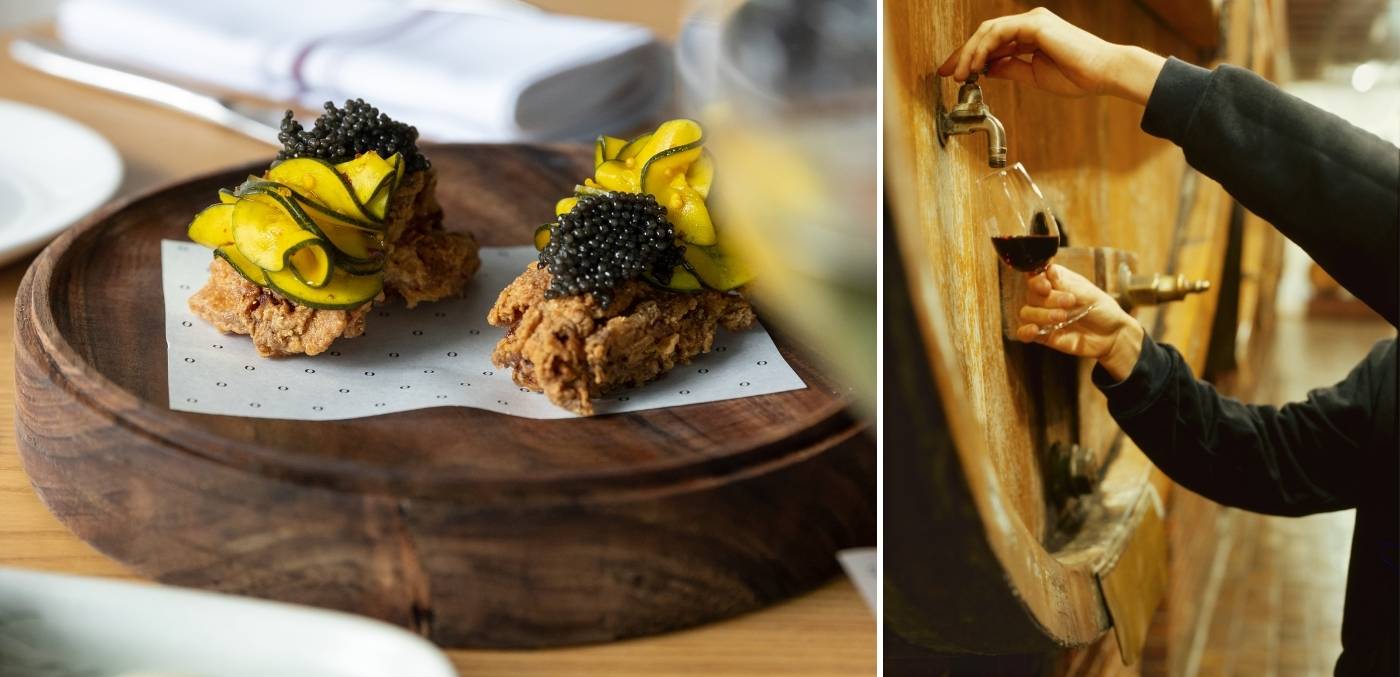
What I’ve gained from travel is an appreciation for the food, the culture, the people, the rituals, the history of a place – and I think when you travel, it’s important to dig into those aspects. A good recent example would be, I travelled to Georgia and learned about the history of wine – many believe Georgia is the birthplace of wine, in fact, and the country has a winemaking tradition stretching back around 8000 years. To me, learning about their history of wine and unique winemaking techniques, that was fascinating.
Getting to know the people, being welcomed to their tables and taking part in their rituals of eating and drinking – you can get so much from experiences like that. And for those of us working in hospitality, there’s always something new you can learn while travelling that you can take back home and integrate into the way you do your job. That’s something I always try to impress on my team. And you can find inspiration anywhere, even in quite humble establishments.
I always do quite a bit of research before I travel somewhere, because you don’t want to look like a tourist or just see the well-trodden tourist sights. It’s important to know what you’ll need to pack, what you’ll need to wear, how to behave to be culturally sensitive, and what to look out for, beyond the obvious. I was in Argentina recently – steak restaurants are their specialty, of course – and instead of just relying on advice from the concierge, I did a lot of advance research into the best, most authentic parrillas (grills) near my hotels. Making that effort pays off.
Josh Emett | Chef / Restaurateur, Onslow & Gilt, Auckland, NZ
When I’m exploring a new place and looking out for somewhere great to eat, I observe the locals – where they’re heading, where they’re gathering, and what they seem to trust. Often, this means wandering the streets, walking past places, and then turning around because something just feels right. If an instinct tells you to go back to a spot that caught your attention, chances are it’s worth trying. I’ve spent a lot of time in Malaysia, exploring off-the-beaten-track places, and this method never fails.
The other golden rule? Talk to people. Engage with the locals – ask them where they eat and what they recommend. Taxi drivers can be an excellent resource. As soon as I land and hop in a cab, I start chatting with them. “Where do you eat? What’s your background? What’s the best spot tonight?” It’s a great way to get authentic recommendations. And sometimes, the best approach is simply saying, “Take me there!”
Before heading off on a trip, whether for work or leisure, I like to be organised. I plan ahead but leave room for spontaneity. I don’t necessarily plan every meal or experience, but I might map out 50 per cent and wing the rest. One thing I always do is start packing early. A few days before departure, I lay things out in a spare room, ensuring I don’t forget essentials like the right shoes, swimwear, a lightweight jacket, rainwear or comfortable walking gear. I also have a bag that always travels with me. It contains everything – headache tablets, sleeping pills, hydrolytes, a pen, headphones, chargers, passport, licenses – you name it. That bag, it’s my lifeline.
Mark Mulville | General Manager for Australia & New Zealand, Etihad
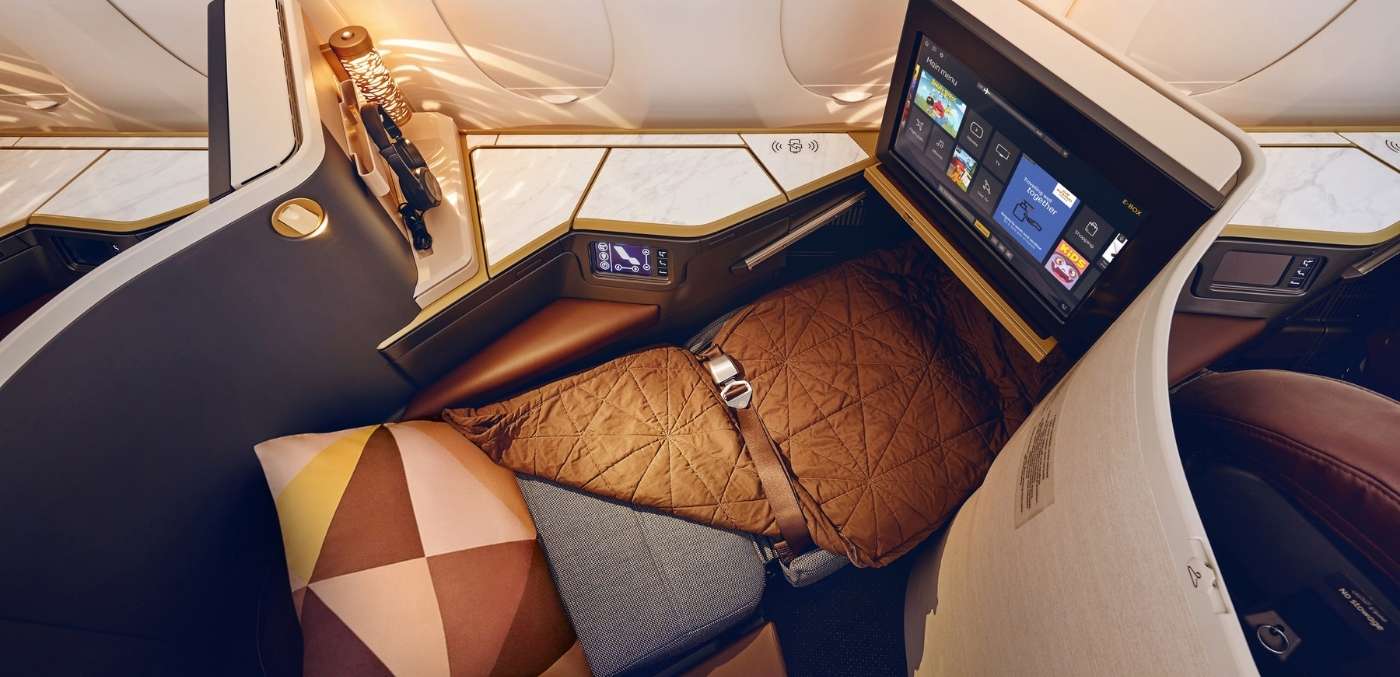
I’ve been fortunate enough to travel with many of the world’s best airlines over the years, and across all cabins. While working for a small Austrian airline, Lauda Air, that used to fly to Australia, I first came to understand the importance of exceptional service, putting the passenger at the heart of everything we did. Their tagline back then, ‘service is our success’, is still something I apply, and always instil in my teams. I enjoy flying with competitors to see how we compare in terms of our cabins and service, but also how other passengers enjoy the experience. I always find the passenger demographic on different flights of particular interest. Where I see something being done well, I’ll share that with our HQ team for consideration. They’re always incredibly open to feedback and ways to enhance our offering.
Keeping service at the forefront of everything we do is key for me, and I’m always inspired to see how other organisations are doing it. I recently stayed at the Four Seasons Jimbaran Bay in Bali, and over a week didn’t encounter a single team member who wasn’t passionate about their job and had a genuine warmth about them. This amazing property and its staff made me think about Etihad and our commitment to ‘go beyond’, which is something I see day in, day out in the wonderful people that work here. We take a unique, Arabian approach to hospitality, offering a personalised and thoughtful service to all guests. I believe in setting a clear service vision for my team, grounded in a shared purpose – “every interaction is an opportunity to create a lasting memory for our guests, suppliers and partners, no matter the circumstance.” I empower the team to make decisions guided by empathy and anticipating, encouraging them to personalise each experience while operating within practical boundaries. This approach not only enhances service quality but also fosters genuine, memorable connections.
When thinking about packing, I always roll my clothes to minimise wrinkles and maximise luggage space, and use packing cubes to organise items such as shoes, toiletries and even pre-planned outfits. I also always include multipurpose clothing like a blazer that works for both business meetings and evening dinners. My other top tip is to pack travel-size toiletries to save space and weight – plus they’re also handy to keep in your carry on for in-flight use. And I’m never without noise cancelling headphones! They’re a lifesaver when travelling.
Matthew Shang | Associate, Kerry Hill Architects, Singapore
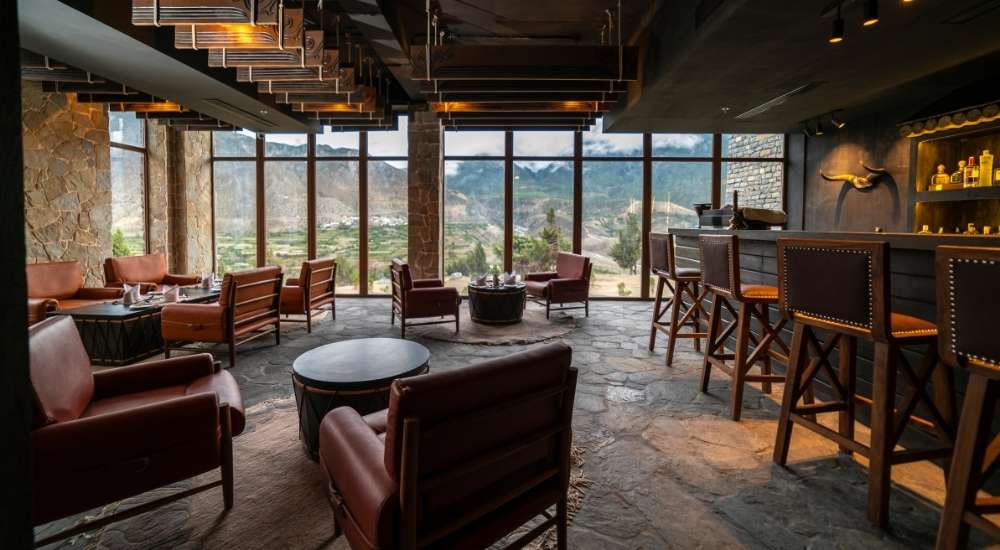
You can tell by looking at how people react to a space whether it’s successful or not – it’s obvious. If people are immediately sweeping out of the lobby or spending as little time there as possible, then that’s a sign it’s not working. You’ll instinctively want to spend time in a well-designed hospitality space. For example, there’s a place called Grand Hotel et de Milan. A lot of people in the industry stay there during Design Week, and when you go into the lobby, people are just in there and inhabiting it and loving it. The hotel was built in the 1800s, they’ve recently had a little bit of a zhuzh from Dimorestudio, but it’s still very classic in its style – it’s comfortable, it’s well laid out. People can find corners to sit down and get a quiet drink, and you feel like you’d be happy to spend a few hours there.
I find Italy so richly inspiring. Every time I go back, I’ll discover something new. I’m a big fan of modernist architecture, so the last time I was there, in Venice, I saw the Carlo Scarpa Olivetti showroom in St Mark’s Square, which is so beautiful – the detail and the richness in it. With someone like Scarpa, his heritage goes right back to classic Italian architecture and the heritage of traditional Italian arts and craftsmanship, adding a depth and sense of permanence you don’t typically encounter in modern commercial architecture. I find the nature in Italy just as inspiring as the built environment, though. I’ve got friends I stay with in Tuscany and walking through that countryside is so beautiful.
When I’m heading somewhere new, I usually start by asking friends who’ve been there for their suggestions, or even better, I’ll speak with someone local. Then I look at maps to understand the layout, focusing on public transport since I don’t drive. I want to stay somewhere central, ideally, with easy access to amenities and attractions nearby and good transport links. I like to plan out pedestrian-friendly mini-itineraries, with several galleries or architectural sites all in the same area, but I leave space between them to explore spontaneously. That’s often when I discover the best spots – unexpected restaurants, interesting shops or hidden gems not found in the typical travel guidebooks. I don’t rush around and try to see everything on my list; I’d rather have meaningful experiences, revelatory moments in amazing spaces, and leave room to return another time and discover more.
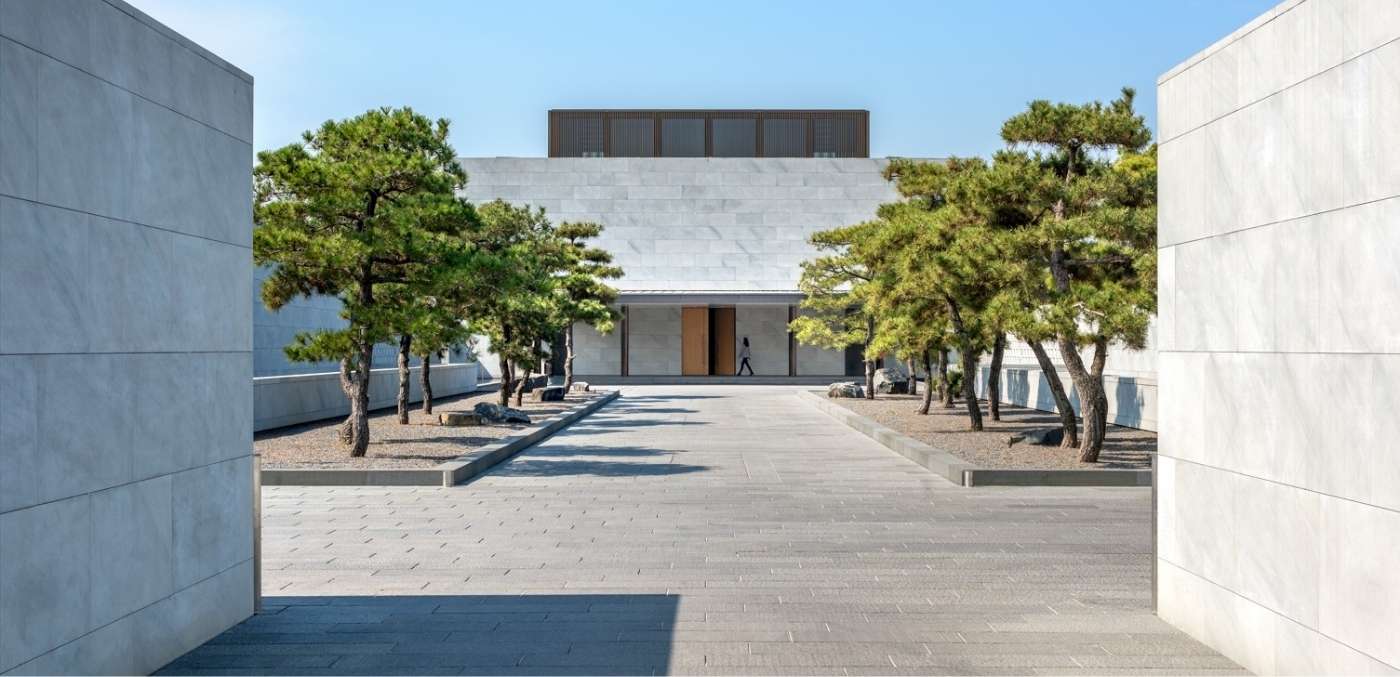
Claudia Schwarze | General Manager, Trisara, Phuket
The most important quality for someone to succeed in hospitality? Empathy. You can teach many things, but not empathy. You see it in someone’s eyes. I personally meet everyone we hire to ensure they have that heart for service. Service is just one part of hospitality, but it’s powerful. Our job is to make people happy – it’s a lovely job. People often think to provide service somehow makes you less. I disagree. The person who gives is always stronger than the one who takes. As hoteliers, the more we know about a guest, the better that guest’s experience will be, typically. If you have dietary requirements, please tell us. If you have small children, let us know their ages. Here at Trisara, we have a kids’ concierge. We want happy parents and happy kids – and that means helping provide time together, time apart, maybe making arrangements so that mum and dad can have a romantic night while the children are safely taken care of.
As for my travel hacks: comfortable shoes are essential. I always carry a spare set of clothes in my carry-on, especially for work trips. I once spent three days in New York without my luggage, but I had packed shirts for meetings and was fine. I also travel with a steamer – I need properly pressed clothes – and my Dyson hairdryer, because not all hotels have one. That sounds like I overpack, but actually, I’m quite efficient. All my skincare is in minis. I wear Venetian shoes, ‘Furlane’, which are light, comfortable and easy to pack. People always ask where I got them. A good skirt or pants and a few blouses, and you’re good to go. If you’re travelling to a resort like Trisara, swimwear is essential, of course. But you’ll also want something elegant for the evening – a nice caftan for women, linen for men. You want to be cool but still look smart for dinner, especially if it’s a romantic occasion. Technology upgrades are important, but the charm of classic hotels is timeless. Classic never goes out of fashion. Trisara is 21 years old now. It’s quiet luxury, not bling. Our guests say they can relax here.
Damien Duviau | Head Chef, Nobu Dubai, UAE
I travel frequently now, working for Nobu. I’m a bit OCD in terms of preparation, I like to have my packing organised way in advance – and then on the final day, 24 hours before departing, I’ll check everything one more time. I hate to forget anything and I hate being late. I like to be in the airport well ahead of the flight.
When it comes to choosing restaurants while travelling, I have one strict rule: I avoid places that try to serve everything – you know, the ones offering pizza, risotto, French food, Indian curry and sushi all on one menu? That’s a big no for me. Instead, I seek out local spots, the places where locals go to eat. That, to me, is the true sign of great food. If a restaurant is packed with local diners, that’s usually a strong indicator that it’s worth trying.
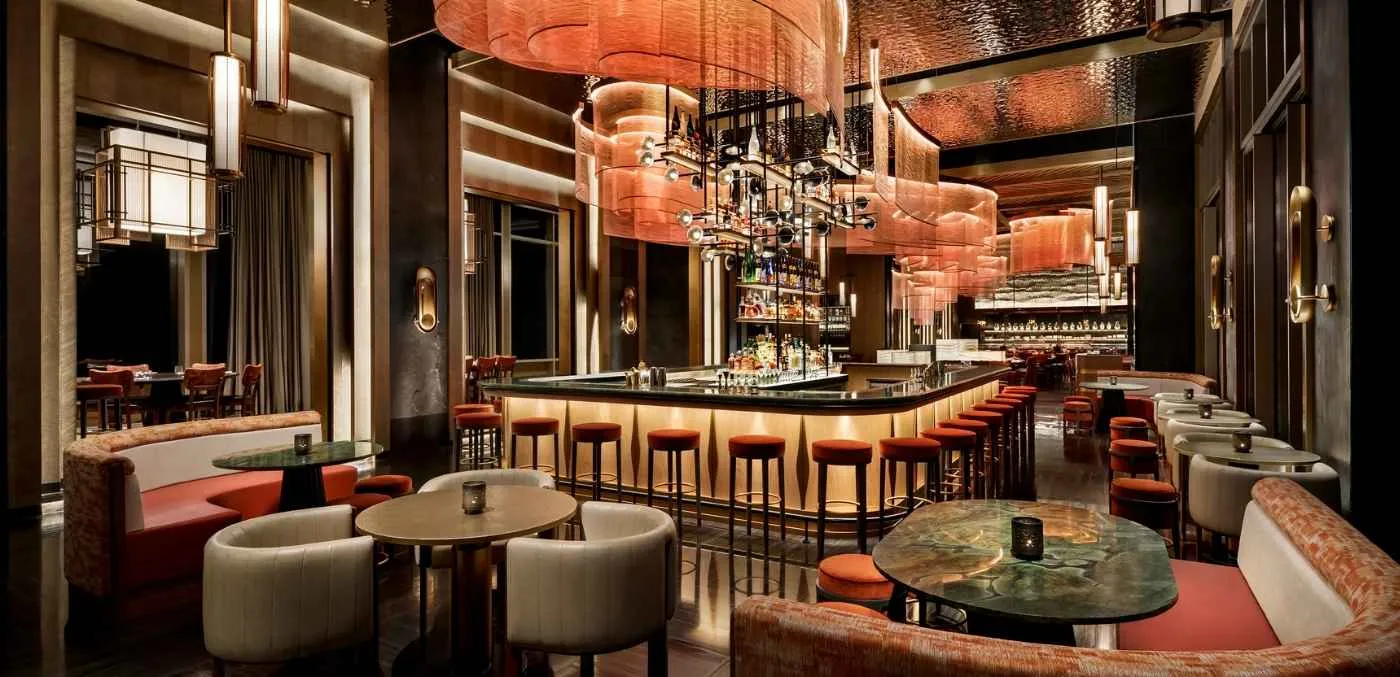
Ben George | Senior Vice President & Commercial Director, Asia Pacific, Hilton Hotels
At a hotel, the moments that stand out are always the simple ones – when someone remembers something you like and pre-empts your needs. That’s what makes the difference. If you order an espresso one morning and the next day there’s an espresso waiting for you without asking – that’s memorable. It means a lot. That’s really the goal of hospitality: to understand what matters to each guest and make them feel seen. You can stay at a hotel that doesn’t quite meet your expectations in other ways, but if the service is exceptional, everything else fades into the background. There’s a fine line. You have to read the guest. Do they want a long check-in chat, or do they just want to get to their room? Picking up on those cues is what makes a stay memorable. Take this hotel, the Conrad Singapore Orchard. Many of our guests Monday through Thursday are corporate travellers – they want speed and efficiency. But come Friday, it’s leisure guests who want recommendations and a bit more warmth. You have to pivot quickly.
The biggest lesson I’ve learned in all my years travelling is not to overpack. You think you’ll need everything, but half of it comes back untouched. I’ve become very disciplined about what I take. I never check bags, even on holiday – which my wife thinks is madness! Be ruthless with shoes: wear one, pack one. Years ago, I used to plan outfits day by day, which might sound a bit OCD, but it worked. Now it’s just habit – muscle memory. Neutral colours help, and as I say, limiting footwear is key.
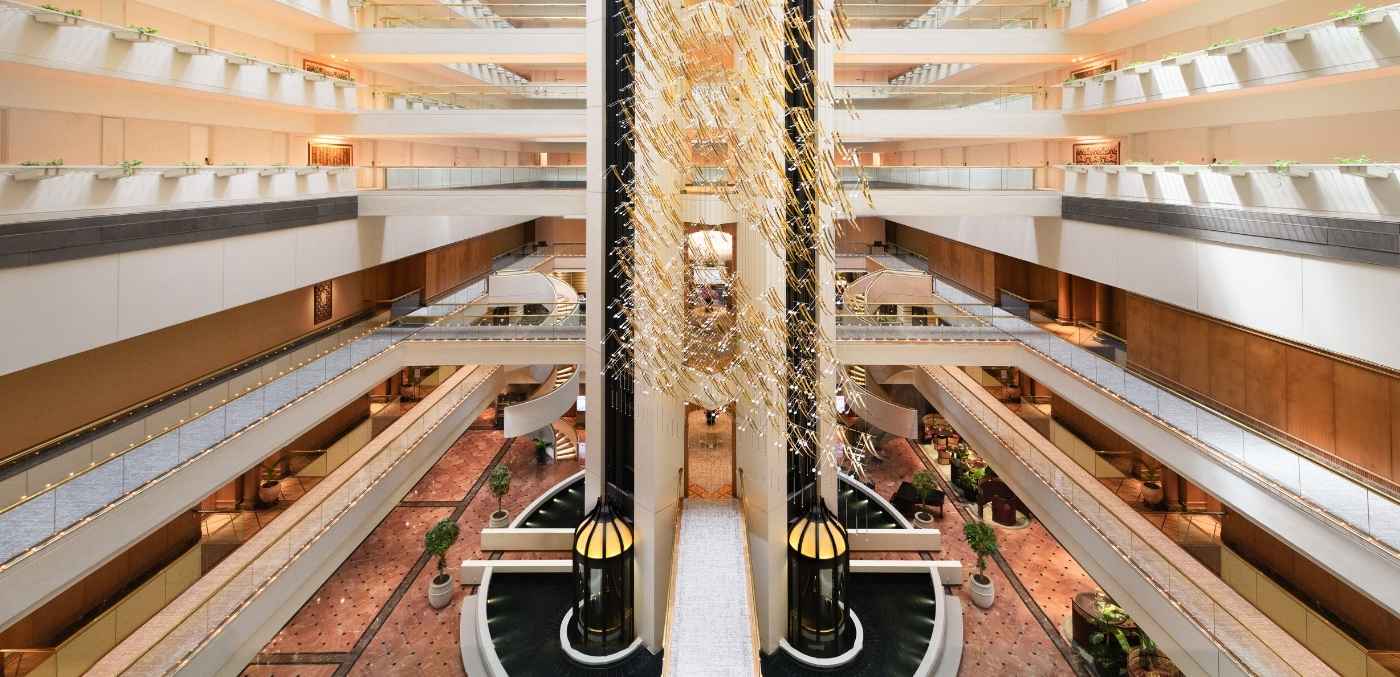
Oscar Postma | General Manager, The Ritz-Carlton Maldives
I find travelling a wonderful way to broaden my horizons. Engaging with different cultures, rituals and communities always brings the most unexpected and enriching experiences. Recently, I travelled to Riyadh, visiting the Kingdom of Saudi Arabia for the first time. It was truly eye-opening and challenged some of my own preconceived assumptions. It reminded me of the importance of keeping an open mind and showing respect and adaptability when entering a culture different from one’s own. We are, after all, guests in someone else’s country. I enjoy chatting with taxi, Grab or Uber drivers wherever I go as they’re often eager to share their opinions and give brilliant local tips on what to do or what to avoid. And you should always tap into your network of family and friends for advice, as they often know the best hidden gems.
My wife and I recently did a road trip through Southern France. We asked several friends familiar with the area to share recommendations over dinner, and by the end of the evening we had a wonderful list of ideas. One of their suggestions led us to a charming winery, followed by the Fête de la Fleur in the town square where local vintners gathered to celebrate and welcomed us into the festivities. It was the highlight of our trip, completely unplanned and unforgettable. Be ready to go with the flow, try not to over-plan; you might miss out on spontaneous opportunities.
Wherever possible, walk. Walking in a new city is the best way to discover its true character. You might stumble upon a café serving the best coffee, a street musician playing a song that stirs up memories, or catch a scent that suddenly takes you back in time. Travel becomes more meaningful when you experience it through all your senses.
Connect with the concierge team at your destination as they’re a wealth of insider knowledge. When you’re booking a hotel, share the purpose of your trip with us, whether it’s a celebration, a family gathering or a simple escape. When we understand your reasons for travelling, we can better anticipate your needs and tailor the experience to you. Allow us to take care of the details so you can focus on the moments that truly matter. That’s what hospitality, at its best, is all about.
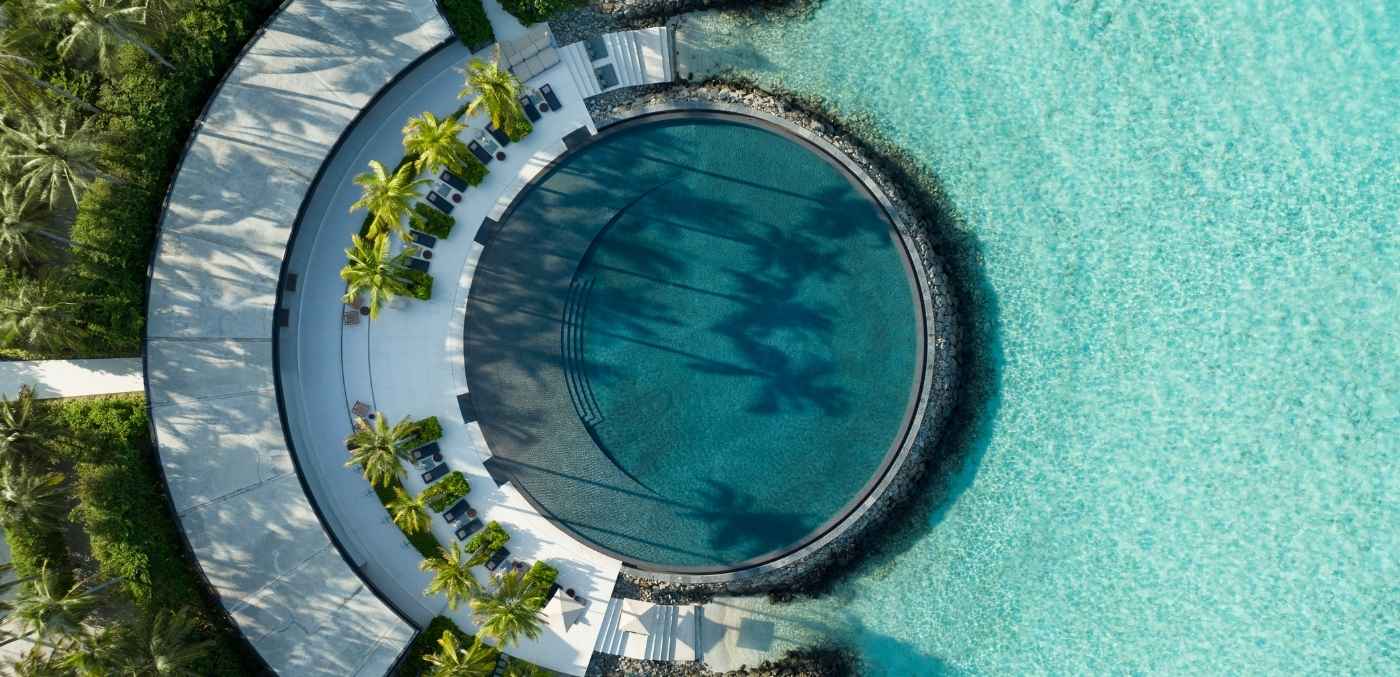
Renaud Salmon | Chief Creative Officer, Amouage, Oman
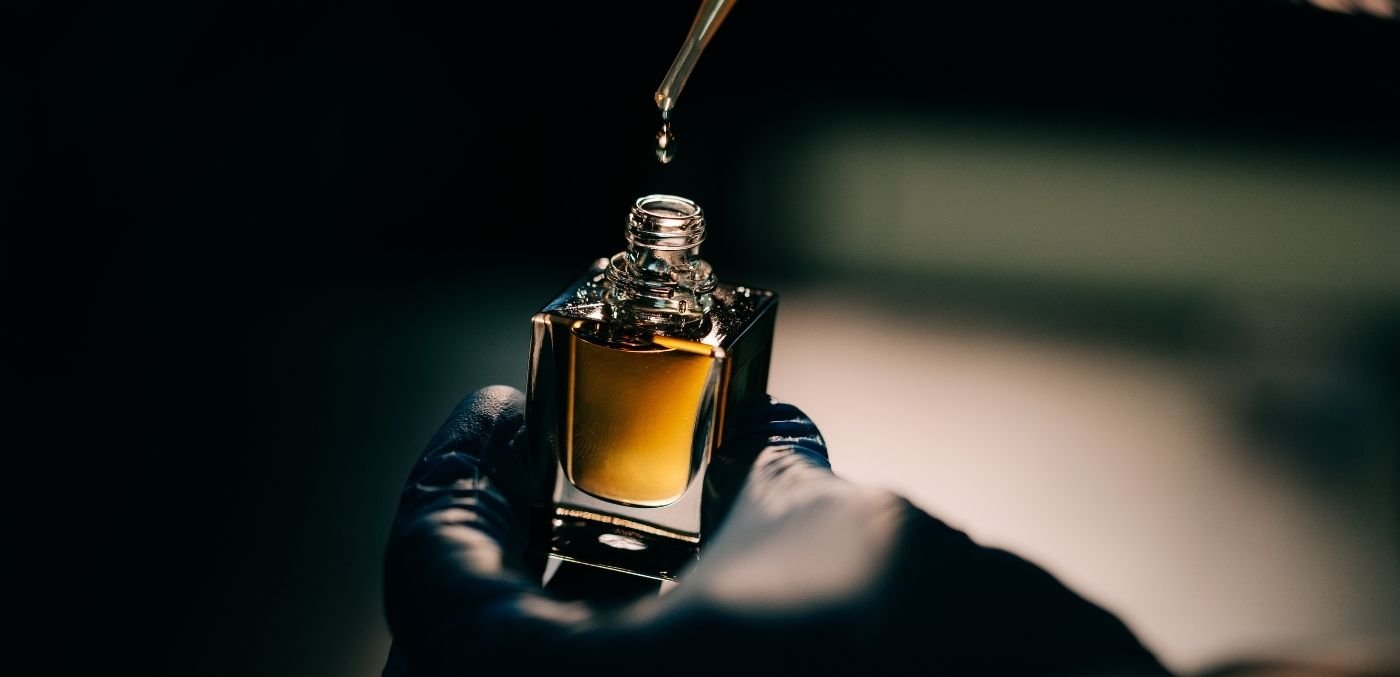
Fragrances have historically been linked to travel. They have the power to convey the thrill of going to an unknown destination. There’s something exotic about an unfamiliar scent, which automatically brings you to a new place. Your mind is travelling already. I believe our journeys shape us. These moments move us because we face the unknown and discover something new, which expands our field of reference. For example, I source ingredients from Sri Lanka. A two-week trip there recently to smell tea, cloves, vanilla and cinnamon changed my perception of those ingredients and their role within local communities.
When I travel, I like to bring the scent of home with me; I’ll take miniature versions of the candles I burn at home. I also use travel sprays and oils, like frankincense essential oil, which gives me a very relaxing and reassuring feeling. I love to do the opposite, too: bring the smell of the places back with me. I often try to source local and unique raw ingredients or essential oils. I visit local pharmacies and, where allowed, collect things from nature. This creates a potent memory of my trips through those ingredients. For example, smelling eucalyptus instantly reminds me of Australia.
Amouage is an ambassador of Oman. In the Middle East, fragrances are an integral part of everyday life. It’s a deep cultural fascination. When you go to someone’s home, guests are welcomed with rose water to purify their hands. Every day, people perfume themselves using a complex ritual. Home scenting is common, with people constantly burning incense or wood. Even food uses fragrant ingredients like saffron. They live with fragrances from morning to evening. It’s wonderful.
Frosti Lau | Regional General Manager, Southeast Asia and Oceania, Cathay Pacific Airways
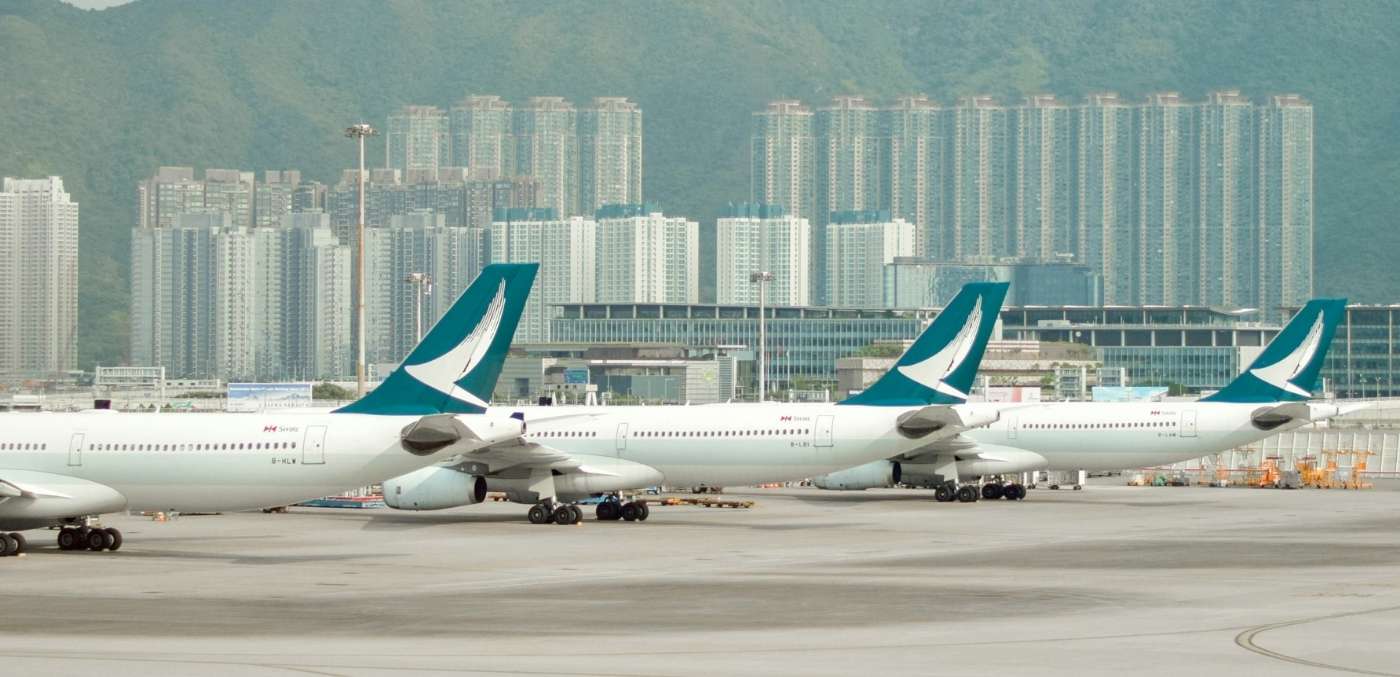
When I was younger I struggled to sleep on planes. But after a couple of years in the airline industry, I realised how important it is to rest well during travel. I picked up tips from pilots, like minimising sleep the night before and syncing your body clock to the destination. When you arrive, do some light exercise – a 30-minute run or some weights – to reset your system. Now I can sleep anywhere, even next to a baby on a plane. I once slept 12 hours straight from Paris to Hong Kong! Music helps, too. I used to travel with a Bluetooth adapter for my headphones. But now, with our upgraded Boeing 777-300ER fleet, we offer Bluetooth connectivity in all cabins – Business, Premium Economy and Economy. So I don’t need that adapter anymore.
Customer service is so important. When a hotel remembers me, it makes a big difference. Post-COVID, we’ve rebuilt our inflight service team with many new members who bring great attitudes. We emphasise a customer-centric mindset: imagine yourself as the passenger, how would you want to be treated? We instil this across the organisation, including our ground handlers. It’s not about getting everything perfect, but about having the right mentality and doing your best to meet customer needs.
What should you order in one of the Cathay lounges at Hong Kong airport? Champagne, of course! But also our signature Hong Kong dishes. Dan-dan noodles are available across all lounges. The barbecue pork and roast pork belly are always great. Some travellers plan four- to five-hour layovers in Hong Kong just to enjoy the lounge experience. It’s a testament to how much people value it, especially before long-haul flights. To get through security at airports faster, I use a travel jacket with side pockets for my wallet, phone, passport and earbuds, which makes it easy to remove everything quickly. I keep my laptop and iPad in a separate pouch so I can pull them out fast. It’s all about minimising your own time and not slowing others down
Vicky Wang | Managing Director APAC, WATG, Singapore
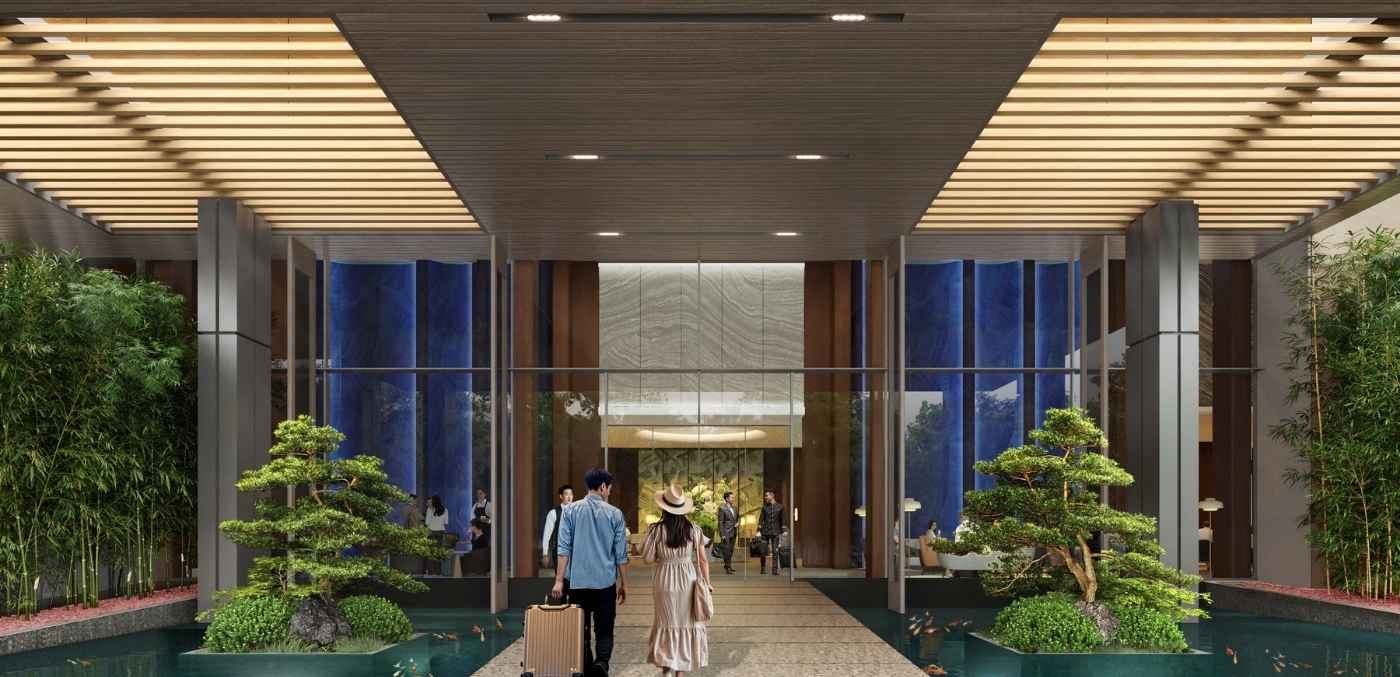
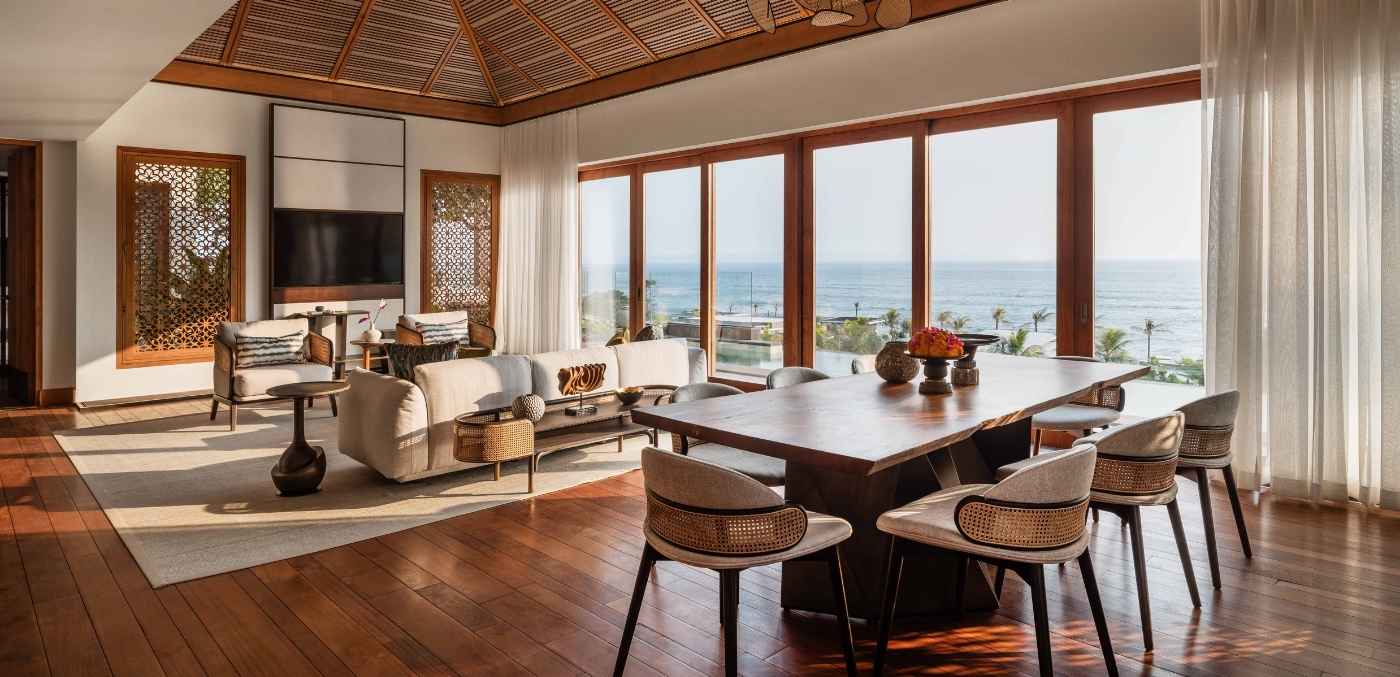
The hospitality industry is deeply human-centric – it’s not just about beautiful spaces, but about how those spaces make people feel, from guests to staff. For me, a great stay begins at the moment of arrival. I pay close attention to the choreography of that experience: how you’re welcomed, how intuitive the transitions feel, and whether there’s a sense of calm and orientation. The best hotels create a sense of pause and presence from the outset – they make you feel seen, not processed. That emotional and human connection is what sets the tone for everything that follows.
A thoughtfully crafted arrival sequence guides guests from anticipation into immersion. When hospitality is reimagined through the lens of welcome, warmth, memorability, and restoration – the core tenets that guide WATG’s design approach – the arrival becomes more than just a threshold; it is an emotional anchor for the journey ahead. Conversely, if the first interaction feels cold, chaotic or overly transactional, it often signals a deeper disconnect – a definite red flag.
Good hotel design should feel effortless – simple, intuitive, and quietly supportive of your needs, much like using an iPhone. You shouldn’t have to think too hard about where things are or how they work. My advice to guests is to pay attention to how the space makes them feel and functions in the background. When everything just works – from lighting to layout to small conveniences – that’s when design is doing its job. It’s not always about standout features, but about how seamlessly the environment supports your stay.
I used to dive deep into research before any trip, planning every detail and mapping out everything I wanted to see. But I found that by the time I arrived, it all felt a bit too familiar, almost like the magic of discovery had been taken away. These days, I keep my pre-trip research light: just enough to understand the basics. Then I arrive with an open mind and a relaxed attitude, ready to explore. That shift has made travel far more rewarding. It keeps the experience fresh, makes space for unexpected moments, and invites a deeper, more intuitive connection with the people and environment around me, which I’ve come to appreciate much more. The unplanned becomes the last true indulgence.
Yoshihiro Narisawa | Chef/Restaurateur, Narisawa, Tokyo
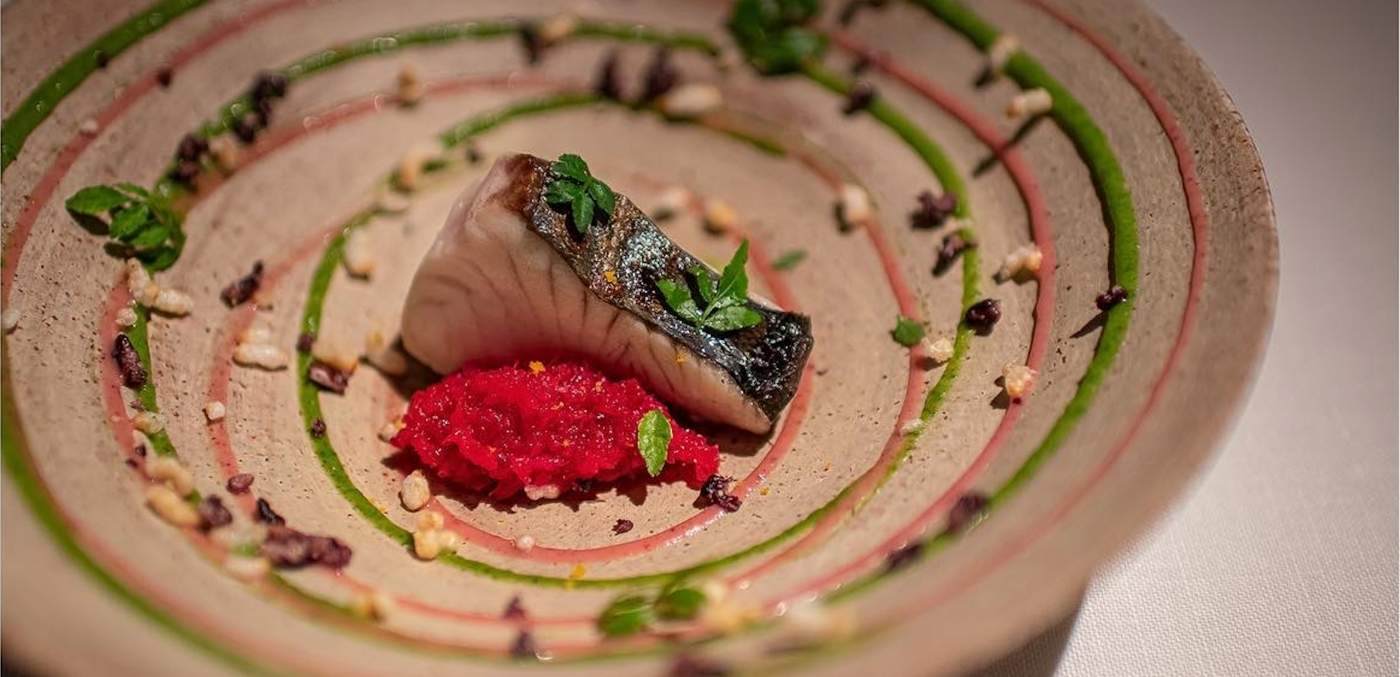
Travelling is always an inspiration for my cooking. The sights, smells and encounters with people in unfamiliar places can never be captured by being confined to the kitchen. I am inspired and influenced by every moment and every place I visit. Shortly after opening my own restaurant in Japan, I had an encounter with a farmer in Nagano Prefecture. I was shocked by the great taste of vegetables grown on a plateau at an altitude of 1000m, where the daylight hours are extremely long and the temperature difference between day and night is extreme. I also learned that the natural environment has a tremendous impact on food ingredients. This encounter led me to look beyond the fields to the forests and even further, to the mountains and the sea. I try to share my feelings and thoughts with the staff on a regular basis. I share my knowledge of where and how ingredients are grown, which changes the way we handle the ingredients and allows us to confidently explain them to our guests.
With such a wide variety of information readily available today, including travel magazines like this one, we recommend that you do your research before making a restaurant reservation while travelling. This does not mean that you should focus on the rating or number of stars, but rather that the first step to a great experience is to choose a restaurant with the cuisine and atmosphere that suit your tastes. And once you enter the restaurant, be willing to let the chef and restaurant staff take care of you. One of the great pleasures of dining out is experiencing the vibrant atmosphere of the place.
Rachel Kingswell | General Manager, Travel Associates Australia & New Zealand
It can be difficult to stay comfortable on a long-haul flight, but one of my top tips would be to consider an extended stopover on the way to your destination. It might take you longer to get there, but having ample time to take a nap and have a shower in an airport lounge or hotel can make all the difference and break up the trip nicely. Better yet, allocate an entire day to explore your stopover city and tick another destination off your bucket list.
If you’re in the market for an upgrade, do a bit of a cost analysis when those tempting offers come your way. One of our advisors, Meaghan Wolf, says that when being offered an upgrade, if the price is $100 or less per hour of the flight, you can consider it a good deal. When I’m travelling economy, I’ll always pay extra to sit in the exit row so I can stretch out with some extra leg room. It makes all the difference. I bring hotel slippers to wear when moving around the plane. Having a pair of shoes that you can slip on and off easily when going to the bathroom is so handy, especially if you get swollen feet. Melatonin is another must-bring for me. I travel more often for work than I do for leisure, so getting the best sleep I can is essential when travelling.
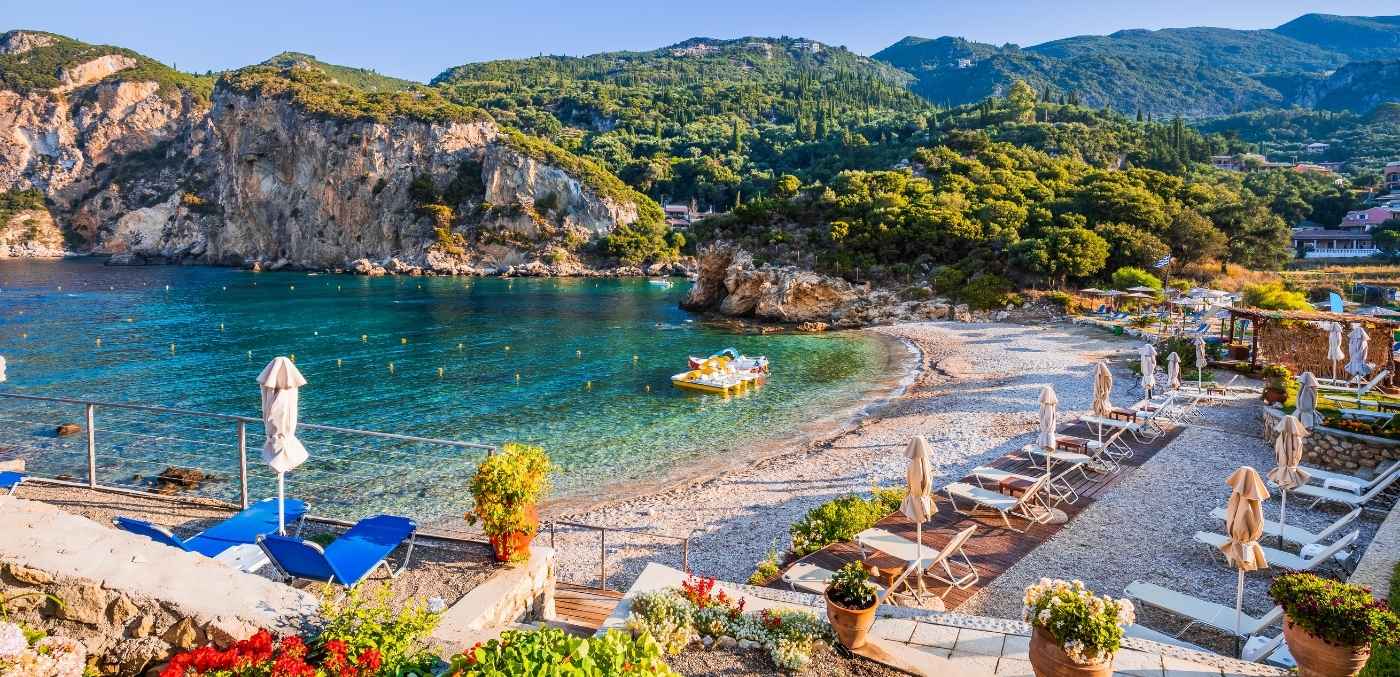
Travel is so much about experiencing the destination, but I also feel it’s a lot about who you get to experience it with. Any time I get to travel with my family I just feel so fortunate to have the opportunity to make special memories together. Our most recent trip together was to the Greek Islands, and it was the most wonderful, relaxing break. My advice to guests is to be present and really experience where they are. To help travel advisors give the best service, clear and open communication about what you’d like or expect is really helpful. Our advisors are incredible at orchestrating special surprise and delight moments for clients that you simply don’t get when you book your own holiday.
Read more:
How to create a travel capsule wardrobe
How to choose the best frequent flyer program for you
How to choose the right expedition cruise line for you
Travel photography tips from Canon ambassador Wil Calabio
An expert’s guide to skiing the French Alps
An expert’s guide to responsible tourism and conservation
This article originally appeared in Signature Luxury Travel & Style magazine. Subscribe to the latest issue today or be the first to see more exclusive online content by subscribing to the enewsletter.