




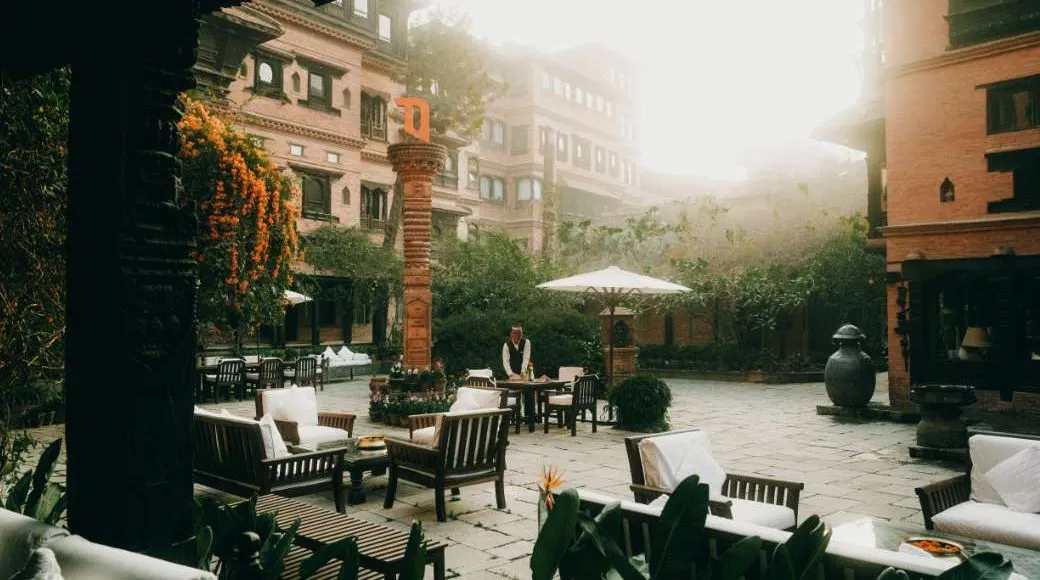
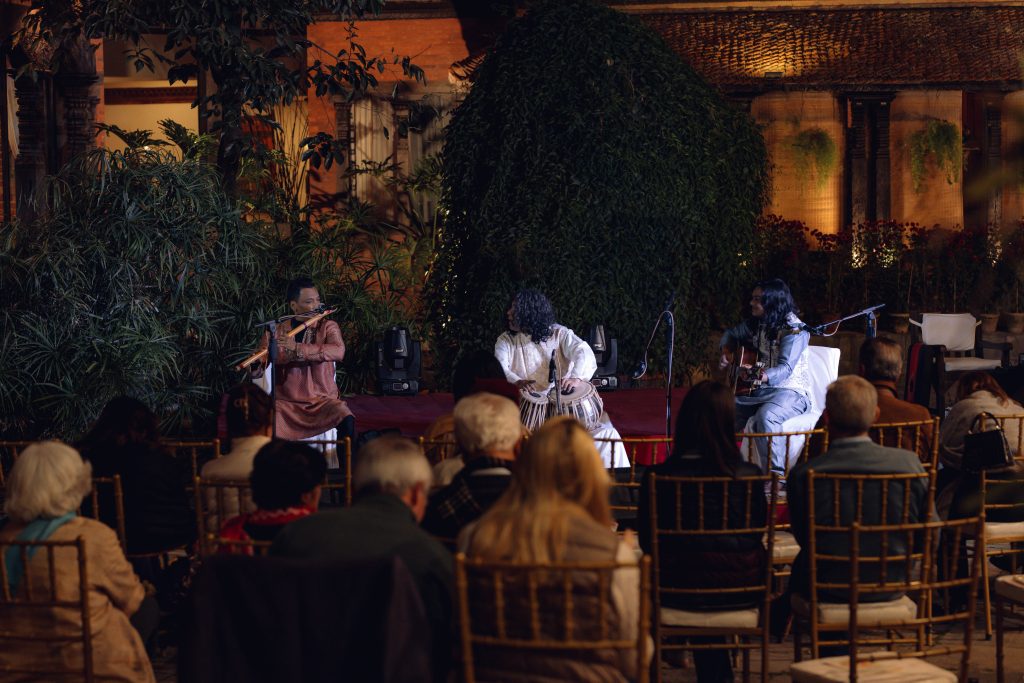
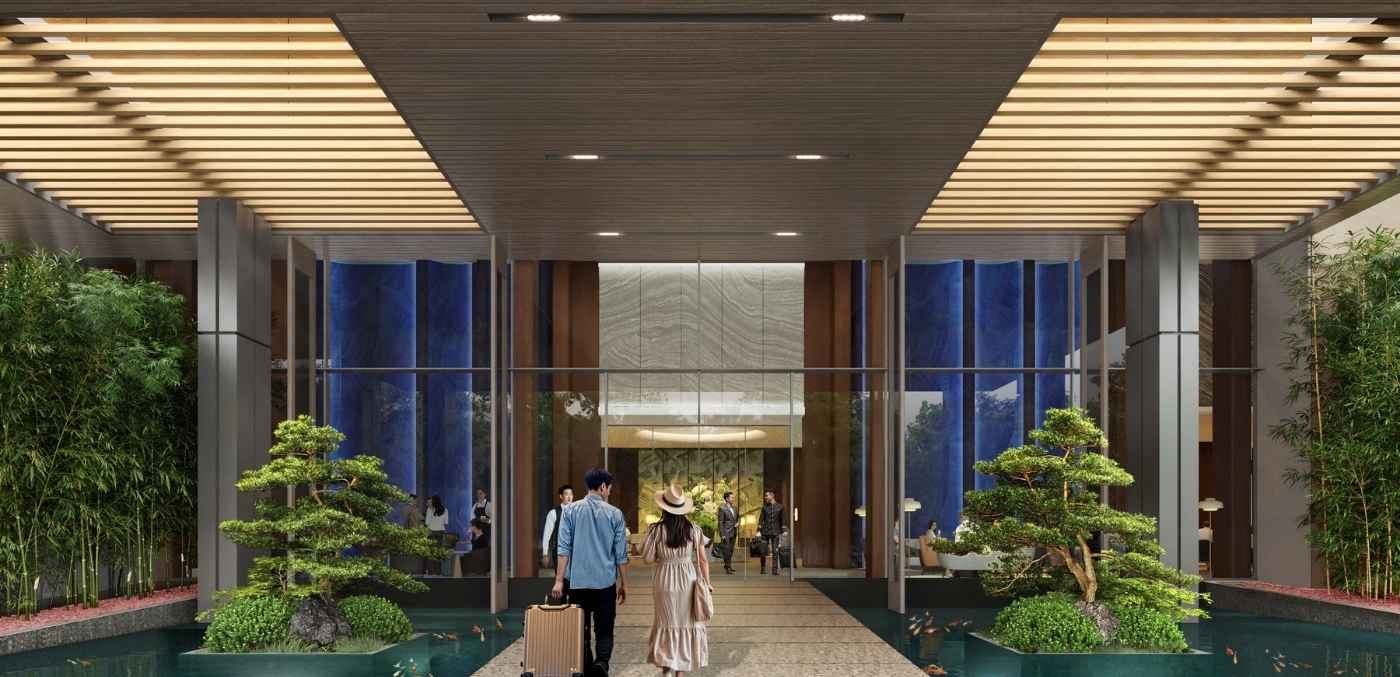
Lanterns flicker across the courtyard as dusk settles over Kathmandu. Somewhere beyond the carved timber galleries, temple bells echo through the evening air. Inside Dwarika’s Hotel, the city’s restless rhythm fades into a calm embrace.
Guests drift between shaded walkways and reflective pools as if time here moves at a different pace. The effect is a gentle recalibration — an invitation to slow down and pay attention.
This is not merely a place to stay. It is a repository of Nepal’s architectural history, shaped by one founder’s passion and cultural conviction, and held with uncommon care across three generations of a single family.
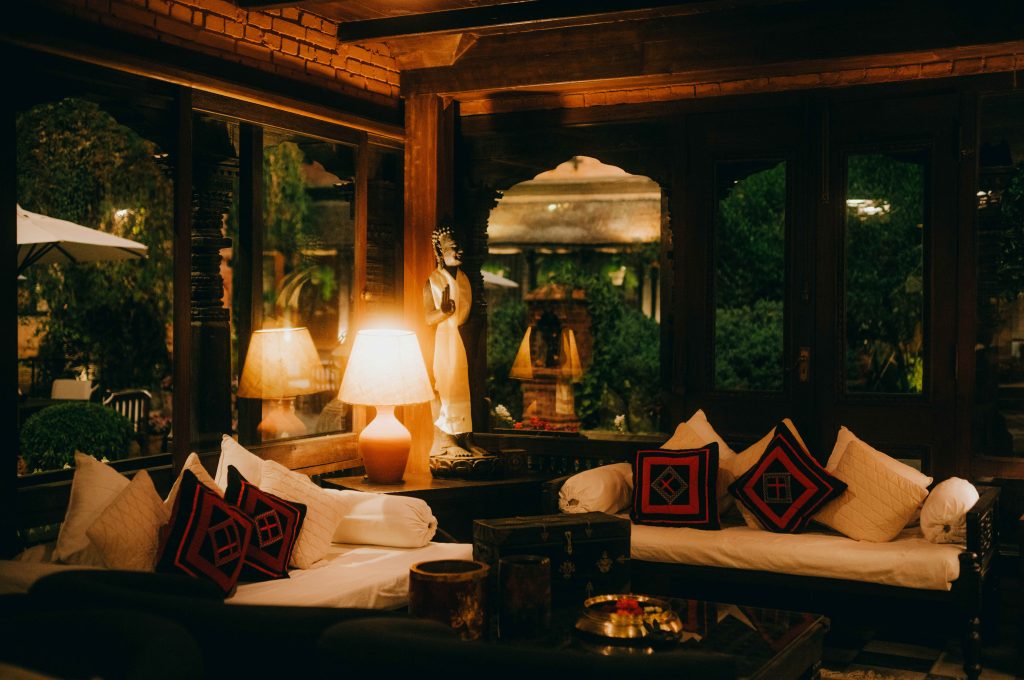
A vision rooted in preservation
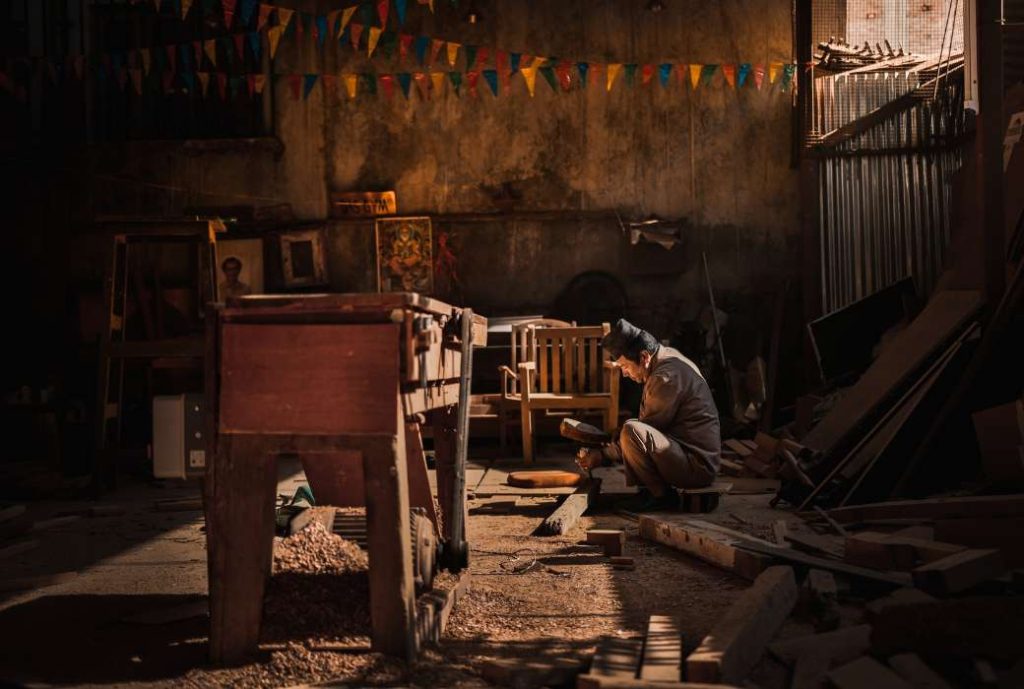
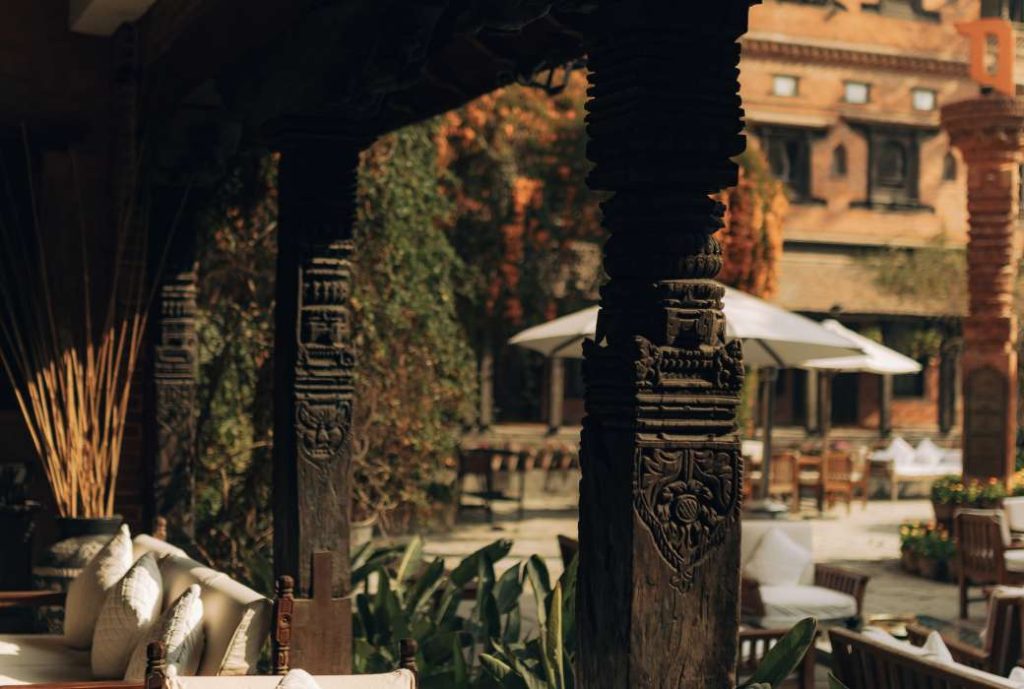
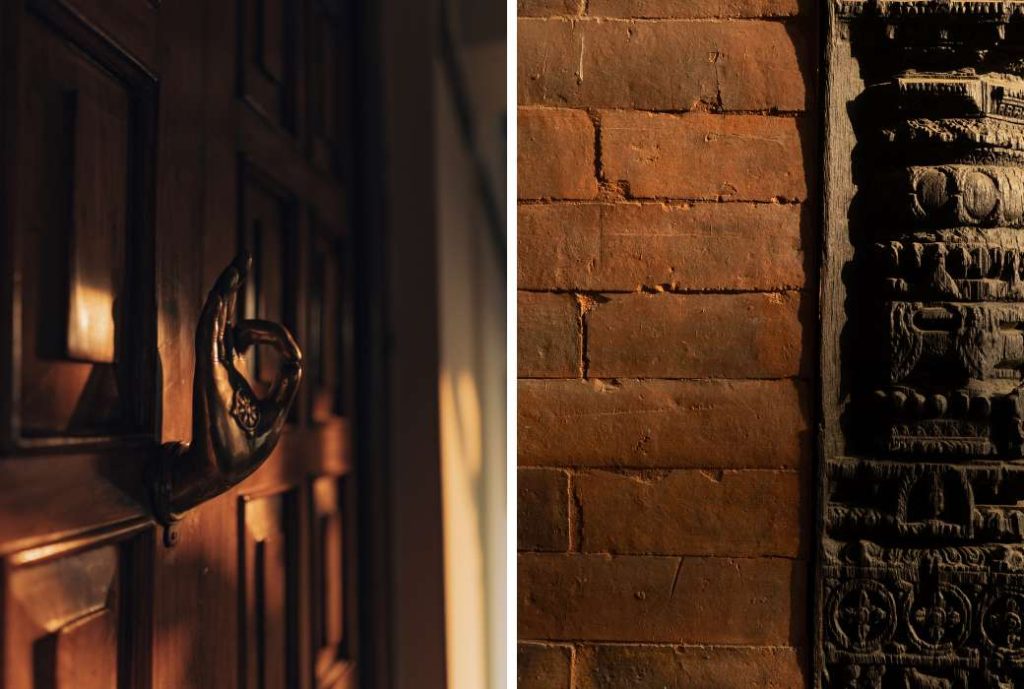
In the decades following Nepal’s opening to the modern world, historic homes and temples across the Kathmandu Valley were being dismantled, their carved timber elements discarded as debris. Founder Dwarika Das Shrestha, moved by the loss of irreplaceable craftsmanship, began salvaging these fragments from demolition sites in the 1950s, windows, pillars and door frames bearing the imprint of centuries of Newari artistry, saved by a single visionary, from becoming firewood.
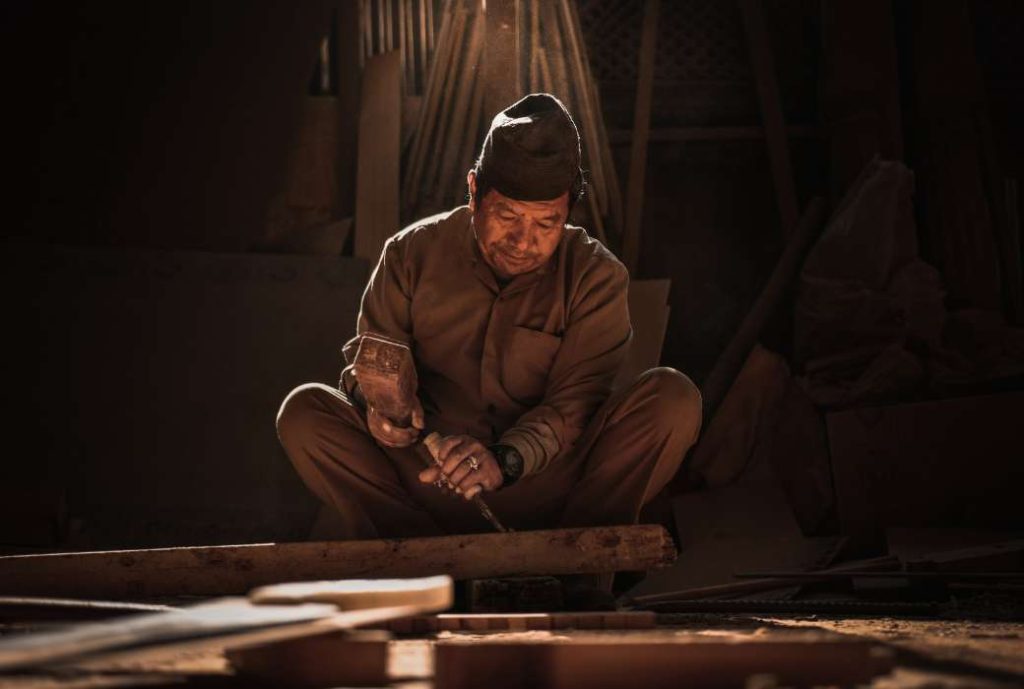
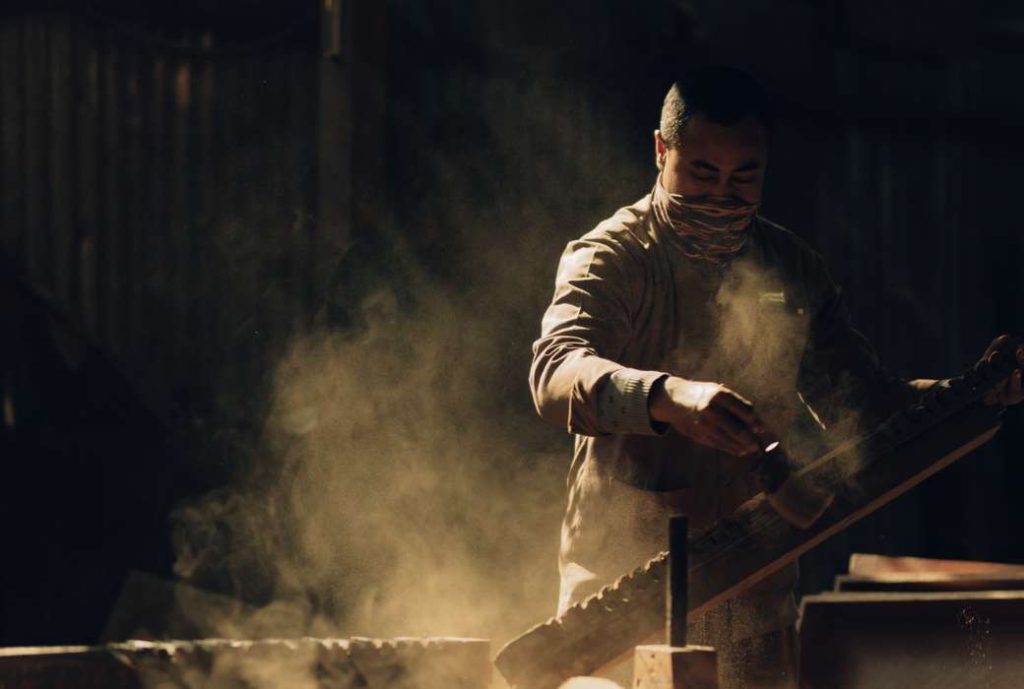
Over time, a personal collection evolved into something far more ambitious. What began with a handful of salvaged items grew into both a hotel and a living restoration centre, where master craftsmen continue to revive and conserve architectural history. This hotel, often referred to as a living museum, is home to cultural relics such as hand-moulded bricks, intricately carved windows and stunningly beautiful doors. Every salvaged timber element carries the imprint of the craftsmen who shaped it with pieces dating back to the 13th century.
I am overcome with immense joy when I hear that this extraordinary property has been formally recognised with a UNESCO Asia-Pacific Award for Cultural Heritage Conservation, one of only two such honours awarded in Nepal, the other recognising the medieval city of Bhaktapur. Such an immense and well-deserved honour for this family.
A family enterprise
The hotel, opened in 1977, has been passed down through three generations committed to the same founding purpose.
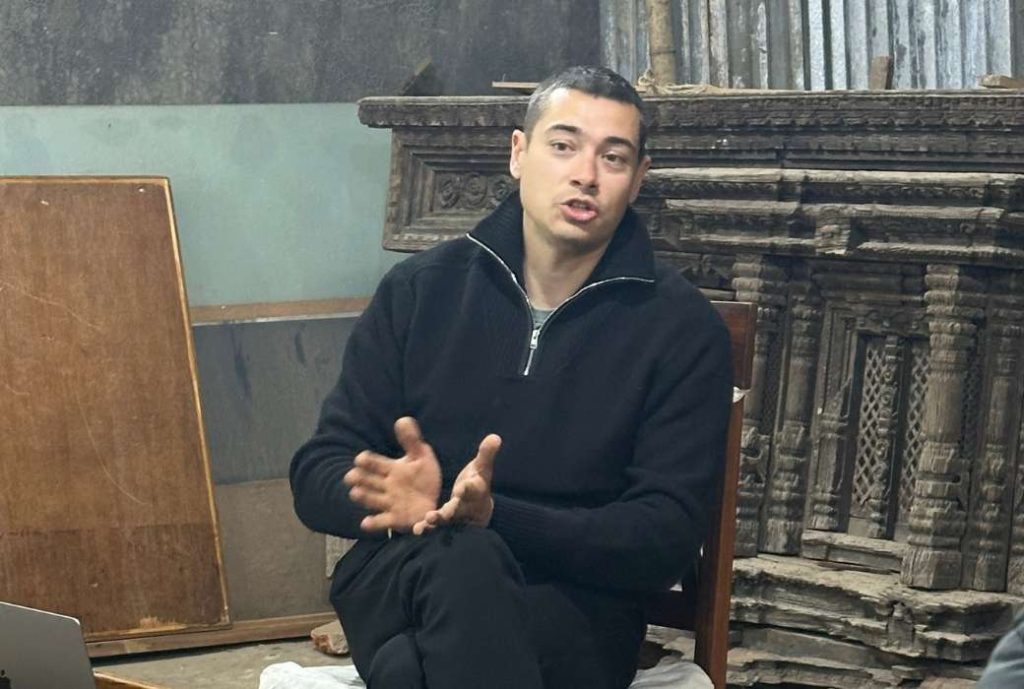
Ambica Shrestha, wife of the founder and a formidable force in shaping the property’s cultural ethos, served as President of the Dwarika’s Group until her passing. Their daughter, Sangita Shrestha Einhaus, is Managing Director, and their grandson, René Vijay Shrestha Einhaus, serves as CEO all committed as custodians of this legacy.
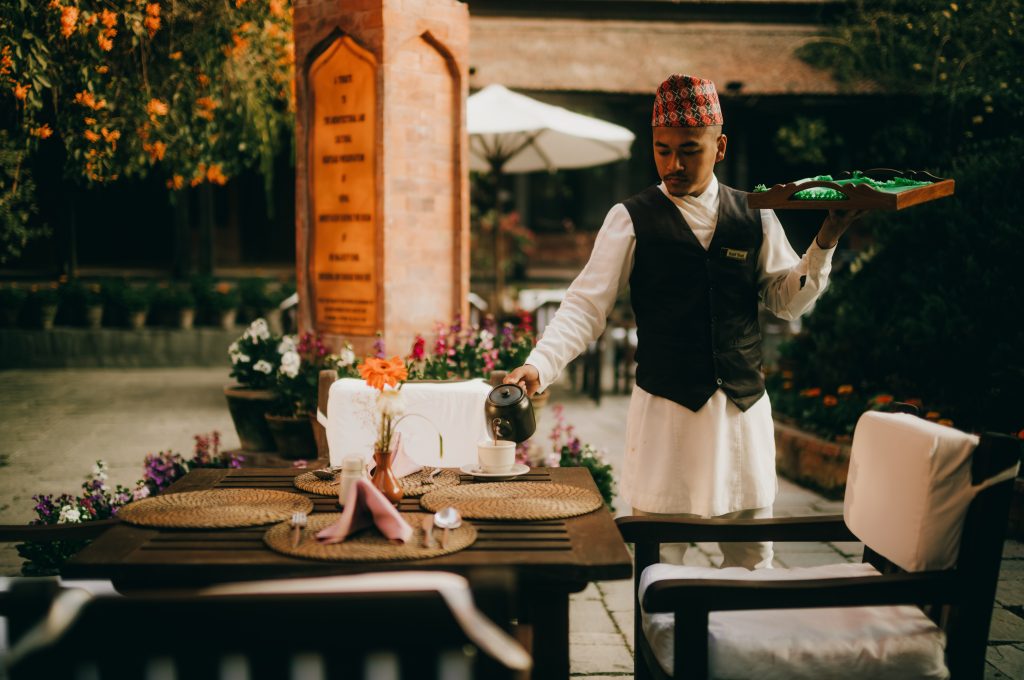
A short stroll from the hotel is Dwarika’s own restoration workshop, where artisans work with salvaged timber, repairing carved windows and architectural fragments using traditional Newari techniques passed down through centuries of artisans. During our visit, René walks us through the workshop with evident pride, sharing stories of his grandfather while craftsmen work quietly around us. Tea is served to us while Renee shares a slide presentation with us and tells us the background story of the hotels. This workshop supports both Dwarika’s Hotel Kathmandu and Dwarika’s Sanctuary, a shared language of craftsmanship across the group’s properties.
Through the Dwarika’s Foundations restoration projects, artisan training and cultural education continue to be funded by them, to ensure the preservation of these skills.
Inviting spaces
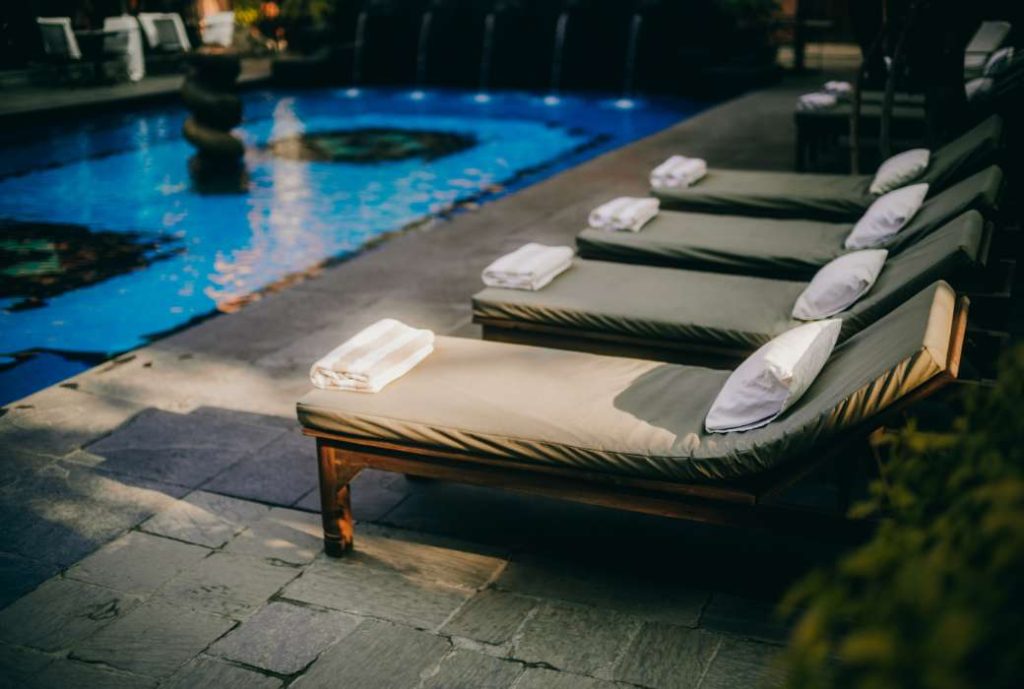
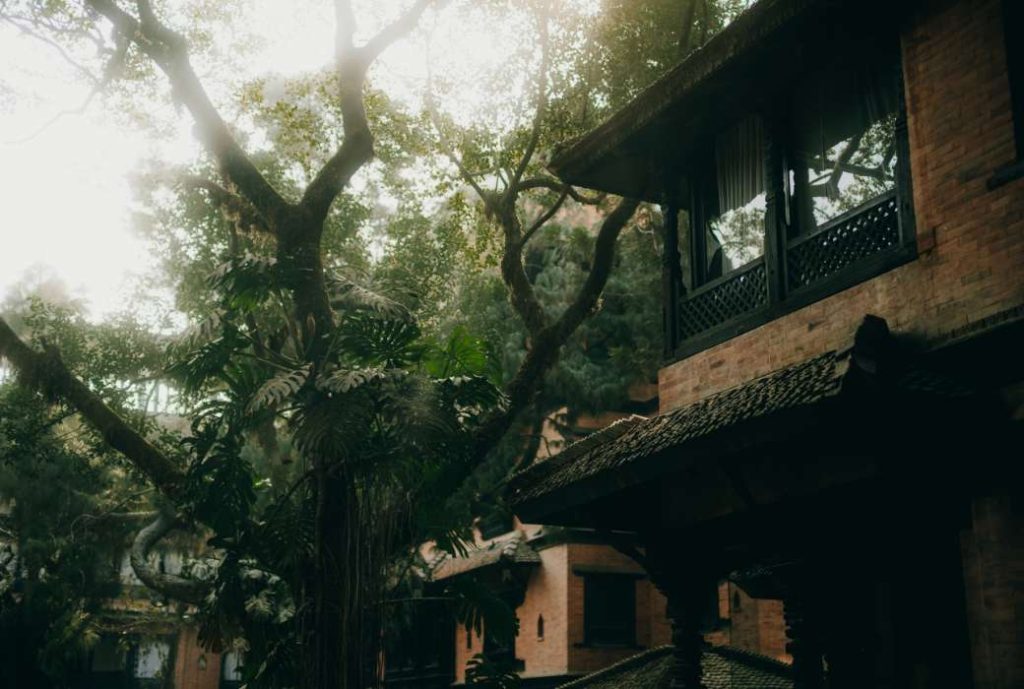
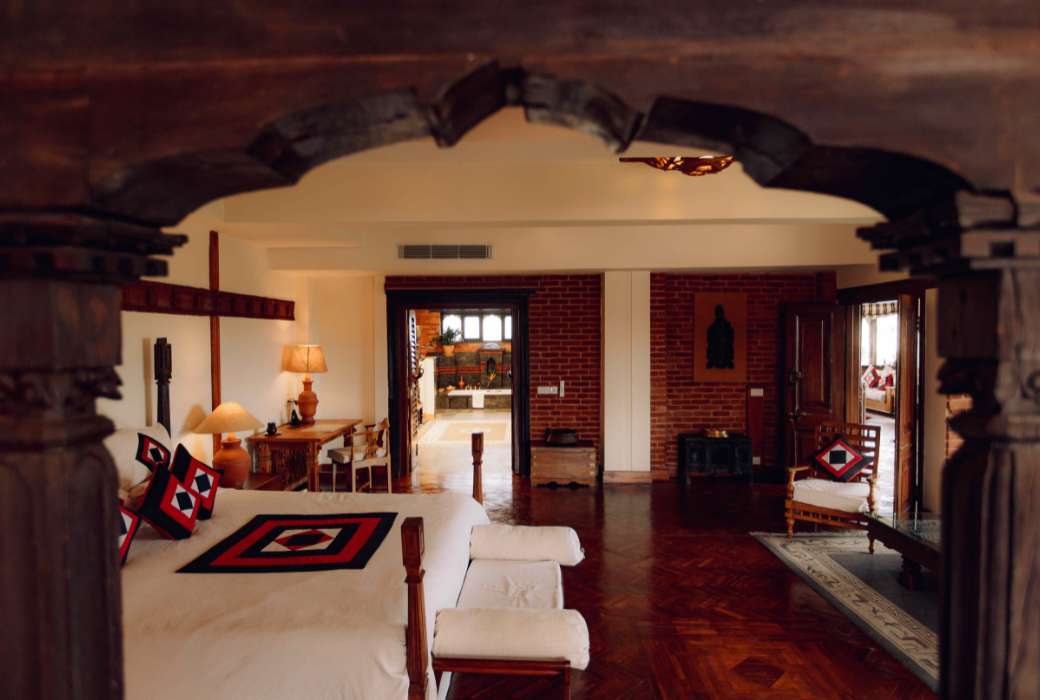
Rooms at Dwarika’s are individually configured, each shaped by traditional Newari architectural principles: intricately carved timber details, handwoven textiles, locally sourced stone. The effect is both historic and deeply restful. Large windows and private terraces look out onto gardens and courtyards, framing rectangles of green that soften the city beyond the walls.
The design encourages unhurried movement. Stone walkways link gardens, pools and small shrines. Quiet corners, a carved alcove, a bench beneath a fig tree, a courtyard shrine attended by a single oil lamp. For a city as kinetic as Kathmandu, this stillness is a considered gift.
Culinary heritage
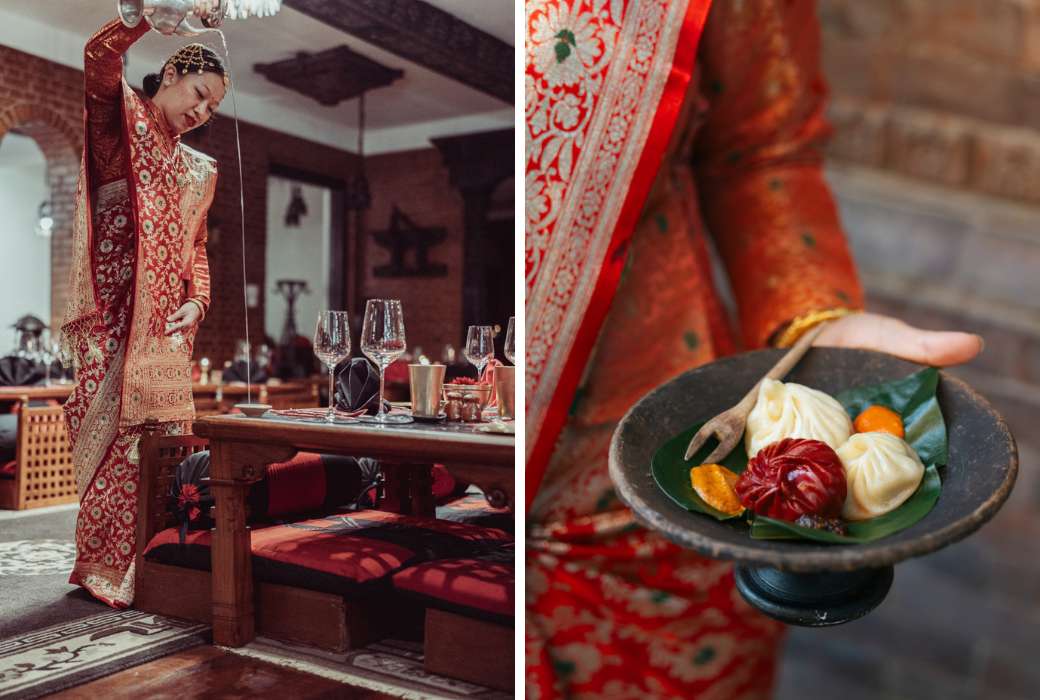
Dinner at Krishnarpan, the hotel’s acclaimed restaurant, unfolds like a ritual. This culinary Nepalese journey is presented in six, 12 or even 22 courses. One by one, dishes arrive in a graceful procession: lentil-rich dals, delicate momos, aromatic curries and saffron-laced sweets, each plate carrying the flavours of a region, a community, a history. It is a feast that mirrors the journey itself; layered, complex and steeped in tradition, best savoured slowly.
The hotel’s broader dining offering reflects Kathmandu’s layered identity: Japanese influences at Mako’s, continental cuisine with Nepali touches at Toran, and a sophisticated Fusion Bar overlooking the courtyard pool.
Kathmandu and beyond
Kathmandu is a city that wears its heritage in plain sight. Carved wooden windows lean over narrow alleys, incense drifts from shrines tucked into courtyards, and medieval temples rise beside markets that pulse with life. The valley holds seven UNESCO World Heritage Sites, a density of history and devotion that few places on earth can rival.
At Boudhanath, one of the most sacred sites in the Buddhist world, a great white dome rises against the sky, its painted eyes gazing serenely in every direction. Maroon-robed monks circle in endless procession, pilgrims spin prayer wheels set along the base, and prayer flags ripple in the mountain breeze. Around the stupa, alleys are lined with Thangka painting workshops. I slip into one to purchase a Mandala, a vivid circle of colour and geometry, from an artist who explains how each line is as much meditation as it is art.
Bhaktapur is known for its medieval architecture. In Durbar Square, the Palace of 55 Windows rises with intricate latticework, while the five-storey Nyatapola Temple, Nepal’s tallest pagoda, built in 1702 stands guard above steps lined with mythical stone figures. Markets buzz with potters, weavers and spice sellers; life unfolds here as it has for centuries.
In Patan, the City of Fine Arts, temples cluster around a grand square and the Patan Museum, set within a former royal palace, restored in collaboration with UNESCO and the Austrian government, preserves treasures of extraordinary beauty. Here, briefly, I glimpse the Living Goddess Kumari from her carved balcony as she acknowledges devotees below. Her presence is both ethereal and grounding: a young girl who embodies divinity, a tradition that links the earthly and the sacred in one human form.
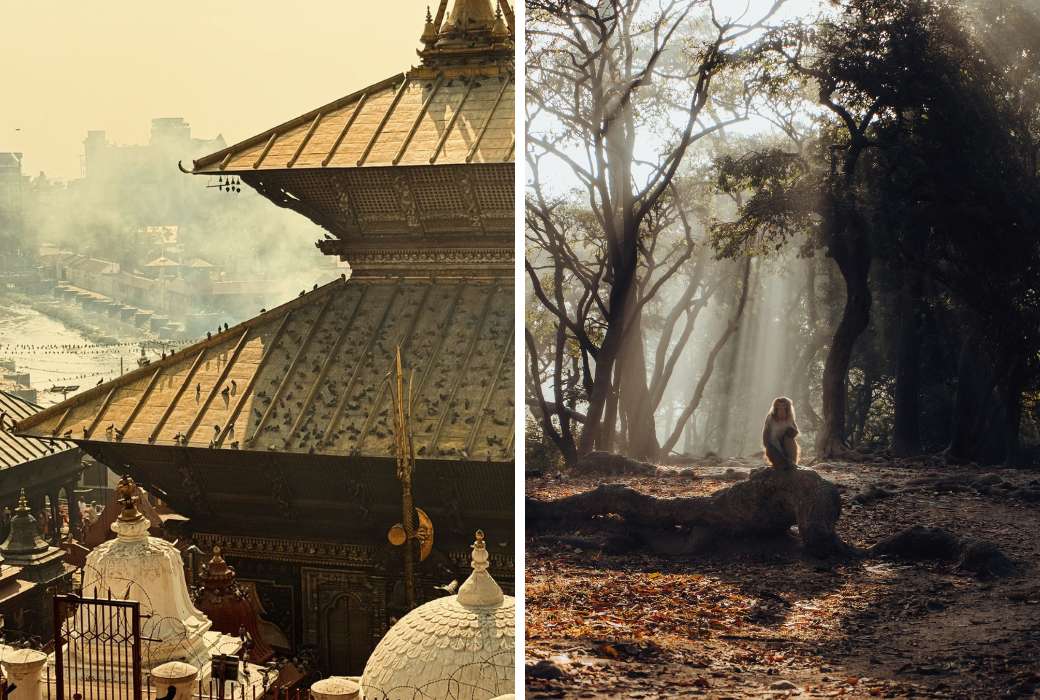
At Pashupatinath, one of the holiest Hindu temples in the world, the evening Aarti ceremony unfolds on the banks of the sacred Bagmati River. Three priests’ wave great copper oil lamps before the shrine of Shiva as drums beat, conch shells sound and hymns rise into the dusk. On the opposite bank, cremation fires burn at the stone ghats, the sacred river carrying the ashes onward. Birth, devotion, death, Kathmandu holds all of it without contradiction.
Legacy and luxury
Dwarika’s Hotel Kathmandu occupies a rare space in contemporary luxury travel – is a place where hospitality becomes an act of cultural stewardship. Its sense of luxury lies not in opulence but in the integrity of its purpose and in the conviction of the family who have upheld that purpose across three generations. To stay here is to encounter a living heritage shaped by people committed to preserving what might otherwise have been lost. Few hotels capture the spirit of a place with such resolve. In a city where history unfolds on every street corner, Dwarika’s stands as proof that preservation, guided by vision, can become its own form of hospitality.
Travel File: Ventours crafts private journeys across Southeast Asia and Nepal, with itineraries including daily experiences, transfers, meals and handpicked accommodation.
This article is a Signature Luxury Travel & Style digital exclusive. Be the first to see more exclusive online content by subscribing to the enewsletter.