




For travellers wondering how to visit Antarctica, this guide explains why people journey to the White Continent, how to get there, who to travel with, and what to expect once you arrive.
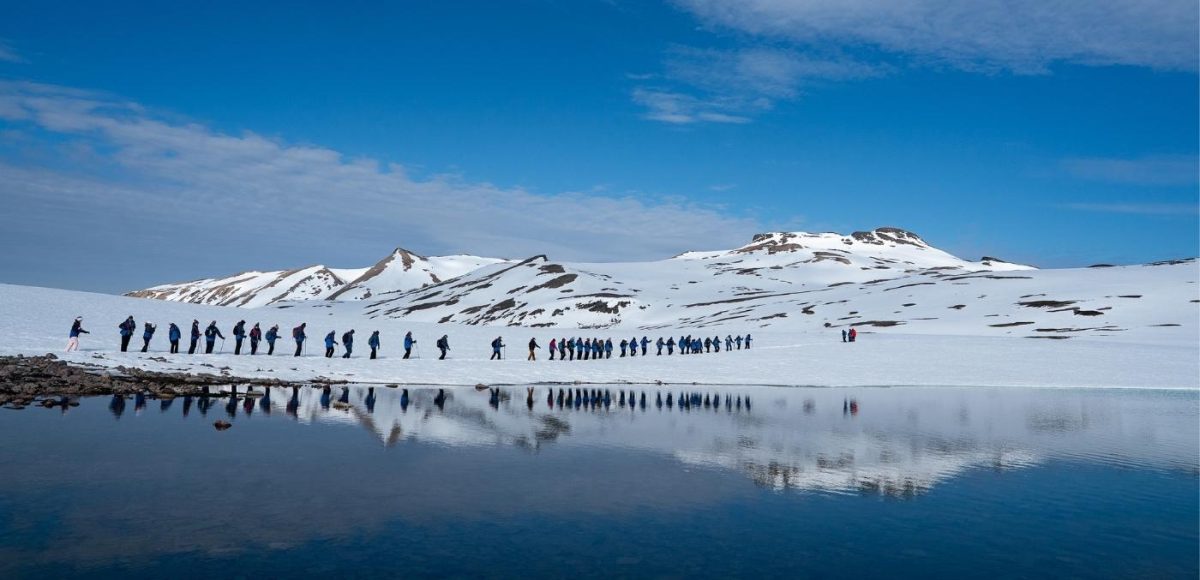
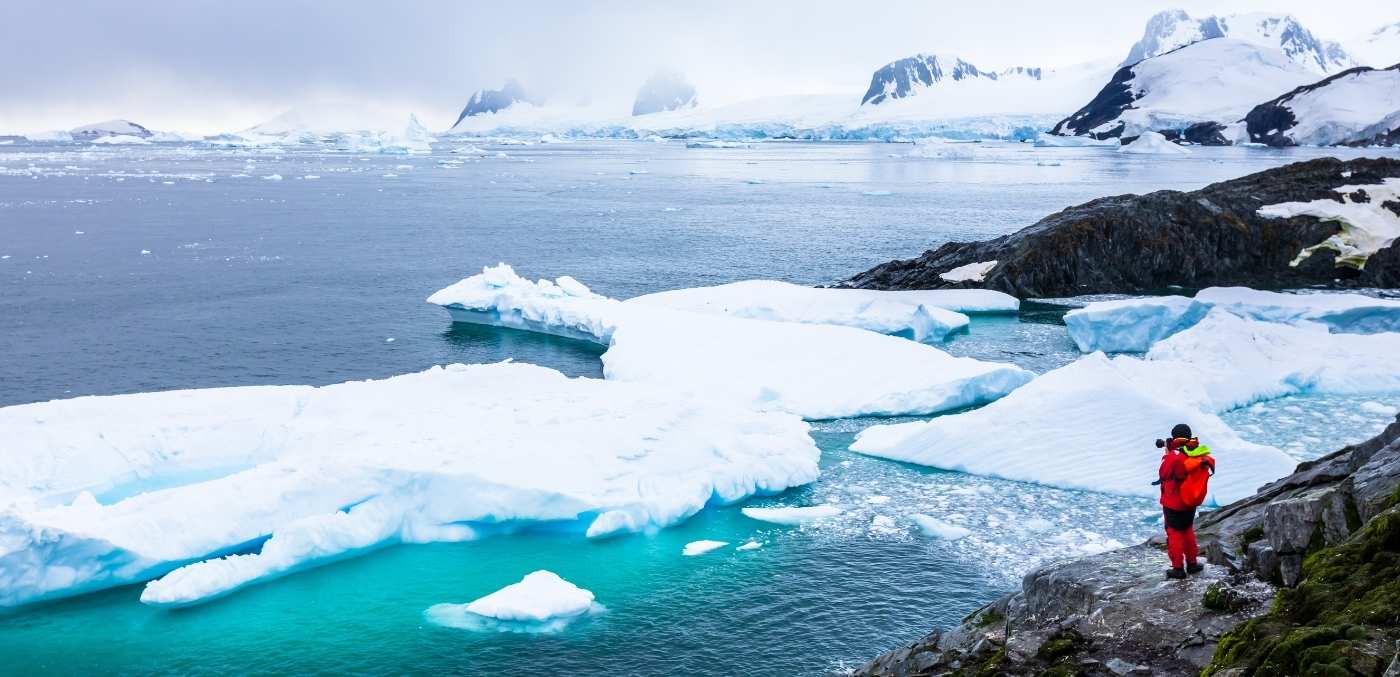
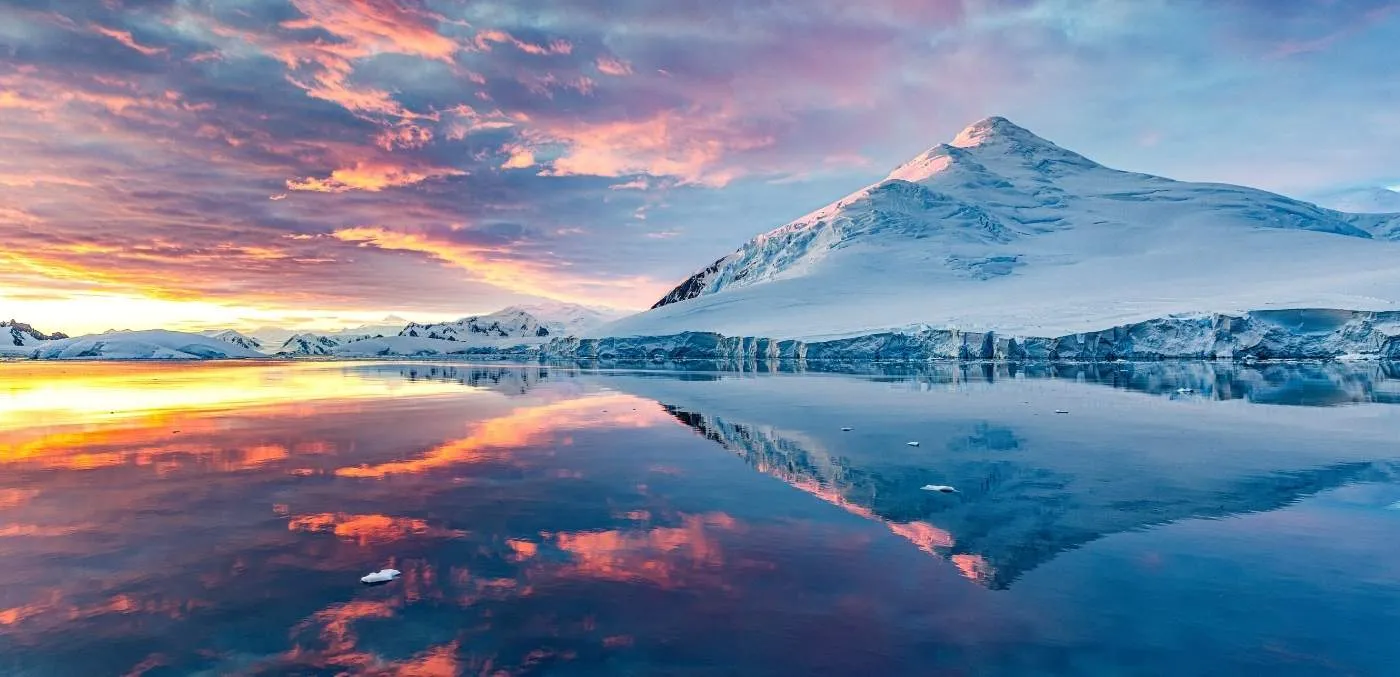
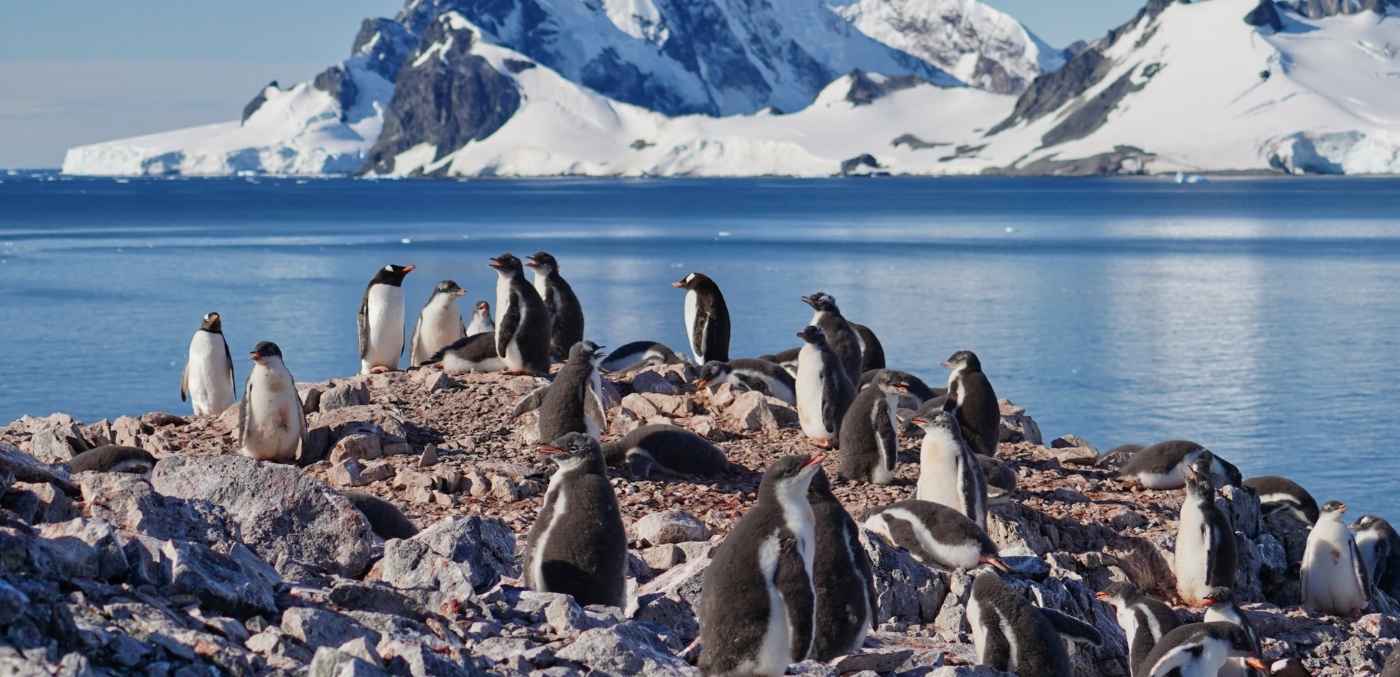
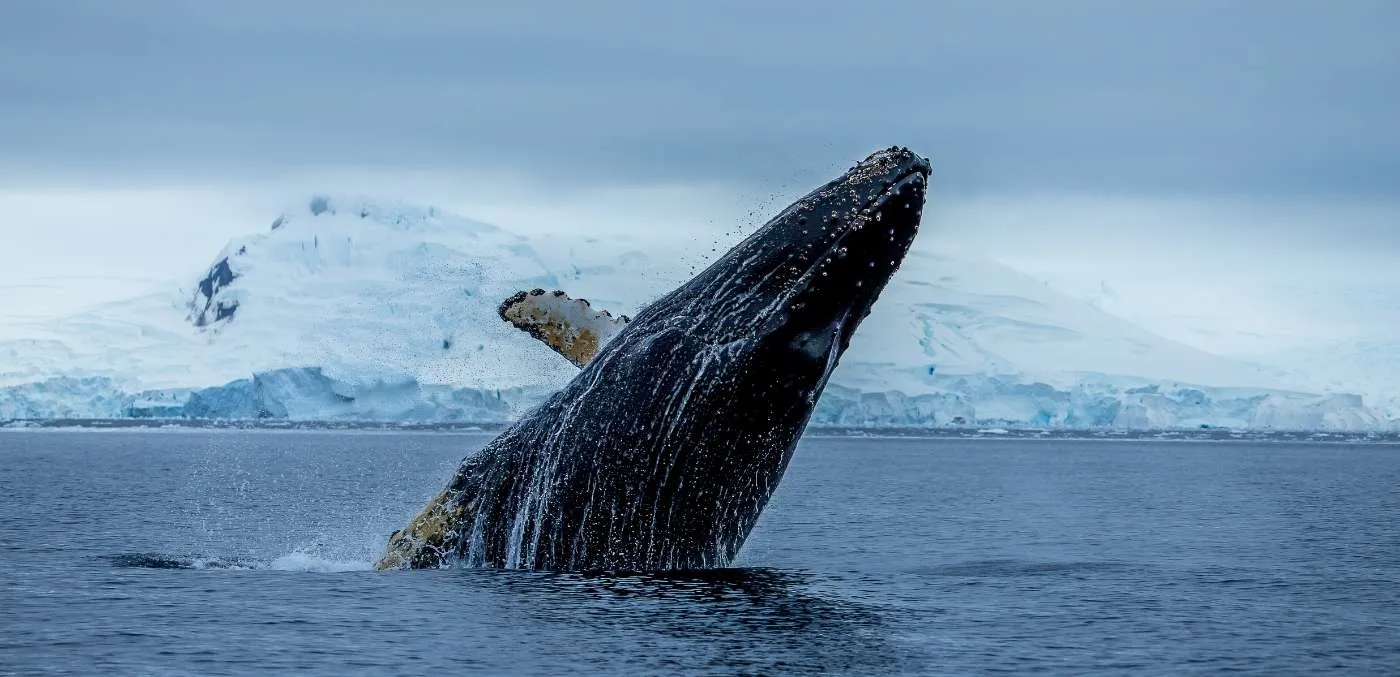
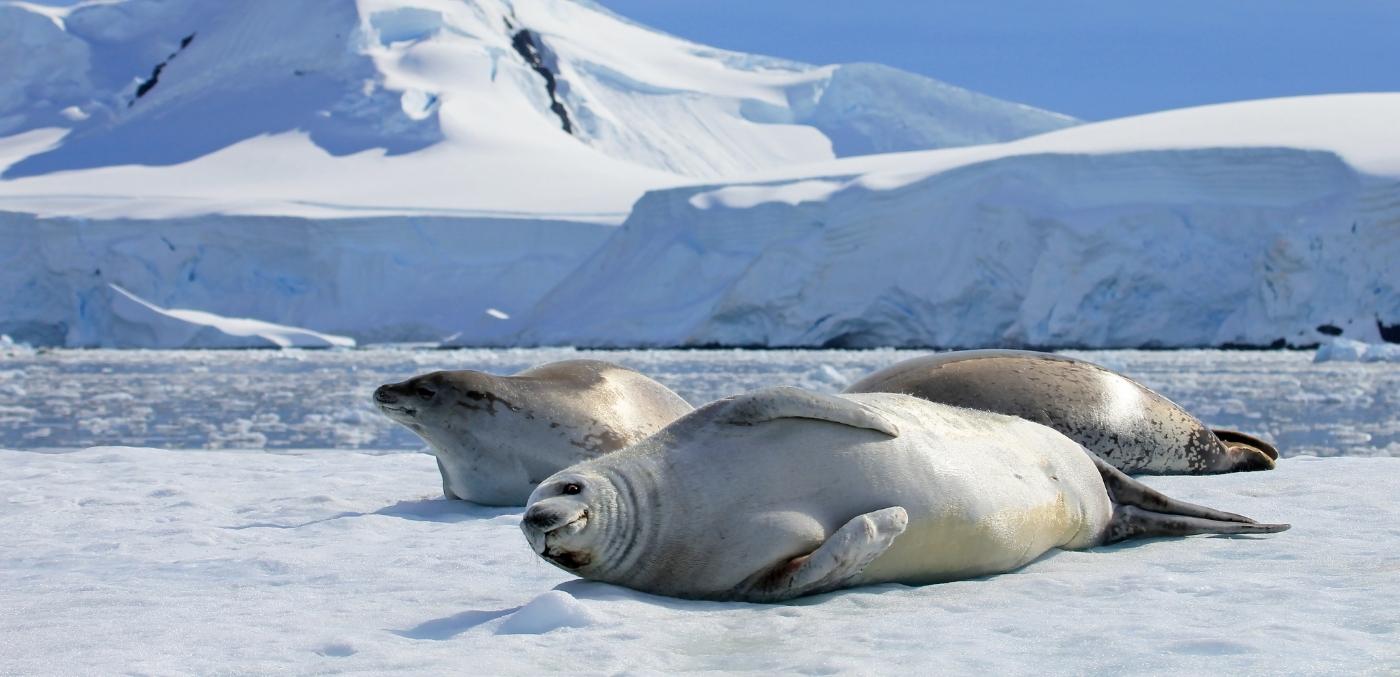
Stretching across the bottom of the world in a frozen display of unforgiving extremes, Antarctica is one of the world’s most captivating continents. Icebergs drift in the sapphire waves that frame this icy expanse, where a white-washed world stretches into oblivion. The horizon is punctured by towering glaciers and incredible alpine peaks, and plateaus give way to ice shelves that plummet into the water. Seals lounge on ice floes and penguins waddle along the glittering icy coast, while whales breach from within the ocean’s depths. Here, the world is silent, the sound absorbed by an icy blanket, until the crack of calving ice rents the air. It’s a sight seen by few – though more than you may think. For travellers curious about how to visit Antarctica, the journey begins with understanding the unique requirements and remarkable rewards of venturing to the world’s southernmost frontier.
Why do people go to Antarctica?
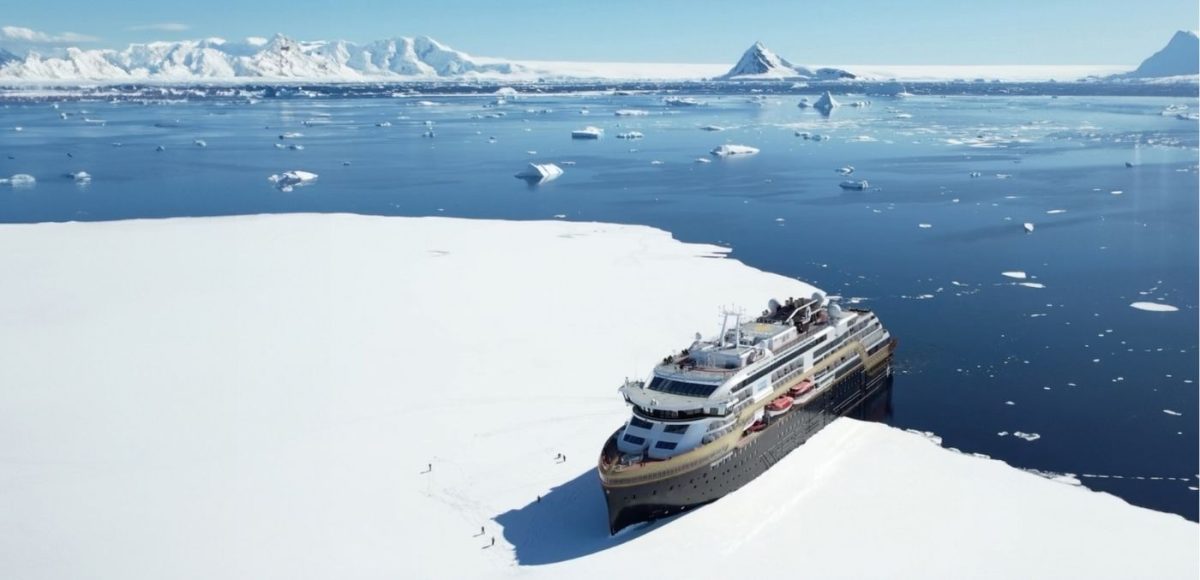
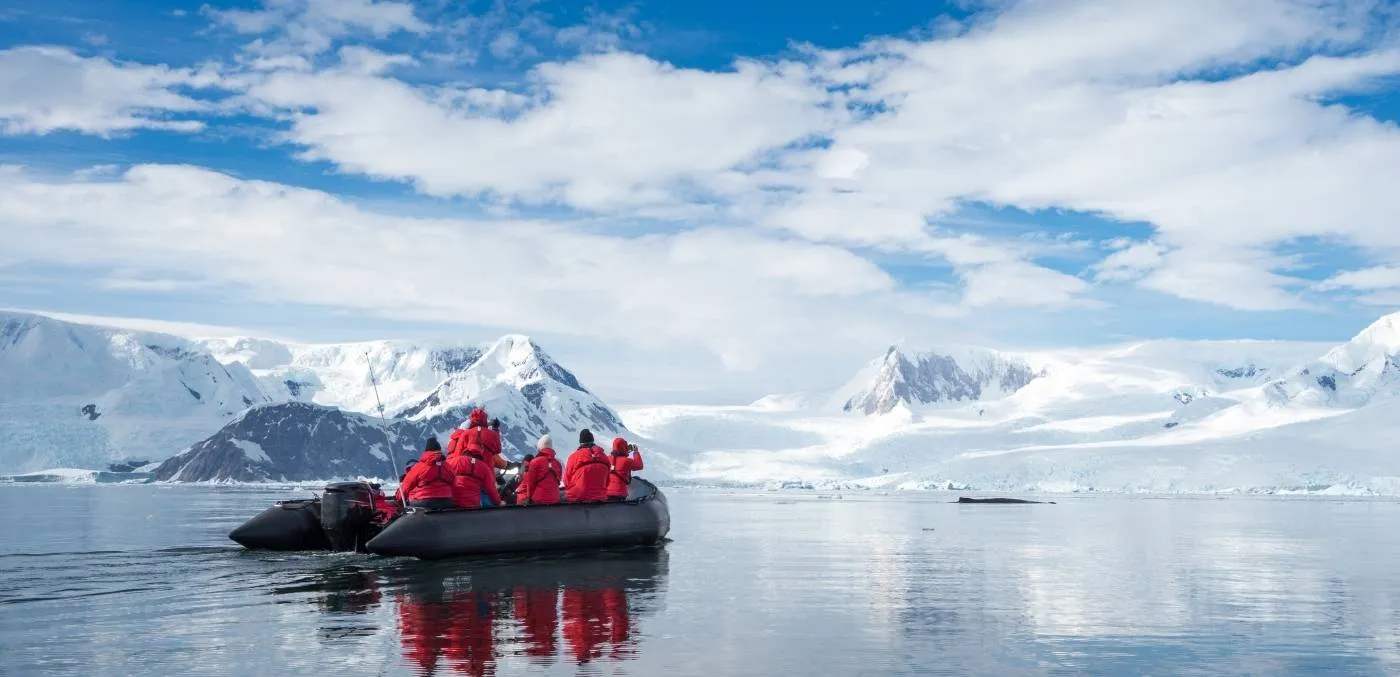
Cold, dry and swept by relentless gales, this polar desert is home only to penguins, seabirds, seals and whales. Coastal temperatures can plunge to –60°C and below –80°C inland in winter, with 24 hours of daylight in summer and continuous darkness in winter. Yet, despite its extreme conditions, Antarctica draws a growing number of tourists each year. And, for those wondering how to visit Antarctica, the most common way is expedition cruises that offer zodiac landings, wildlife encounters, polar plunges and kayaking.
People visit Antarctica to experience its untouched wilderness, remarkable wildlife and the sense of adventure that comes with exploring the planet’s most remote continent. For many, it’s also a rare chance to witness climate change firsthand, gain scientific insight, and tick off a once-in-a-lifetime travel milestone. For some, it’s an experience that ignites a lifelong passion for environmental conservation.
Scientists also occupy Antarctica’s several research stations year-round, as the White Continent is vital for understanding climate change, marine biology, glaciology and plate tectonics, as well as for preserving ice core records. Its dry atmosphere and typically clear skies also make it an ideal base for space science.
Can anyone visit Antarctica as a tourist?
In short, yes. Reports suggest tourism to Antarctica has grown dramatically over the past few decades, with visitor numbers rising from around 8,000 per year in the mid-1990s to nearly 125,000 in 2023–24, and more than 118,000 tourists have already visited during the 2024–25 season. Of these, more than 80,000 have set foot on Antarctica, while roughly 36,000 have experienced it from ship decks. A recent report in the Journal of Sustainable Tourism predicts the boom will continue, with annual visitors expected to reach 452,000 by 2033/34, potentially approaching half a million within the next decade. If you’ve ever wondered how to visit Antarctica as a tourist, the answer lies in careful research and planning. It’s important to note that all travel to Antarctica is highly regulated and requires booking with a sanctioned operator to comply with the Antarctic Treaty.
How to visit Antarctica
For those interested in learning how to visit Antarctica, there are three ways to do so as a tourist. The first, most common and accessible option is by joining an expedition cruise into the region. Most itineraries depart from South America from ports such as Ushuaia in Argentina, and Punta Arenas, Puerto Williams and Puerto Natales in Chile.
The second option is ‘fly and cruise’ packages, whereby some expedition cruise guests opt to pay for a private charter plane to cross the notoriously tempestuous Drake Passage to board the ship elsewhere for the final leg of the cruise around Antarctica. Many of these itineraries depart from Puerto Natales or Puerto Williams in Chile to meet the ship on King George’s Island.
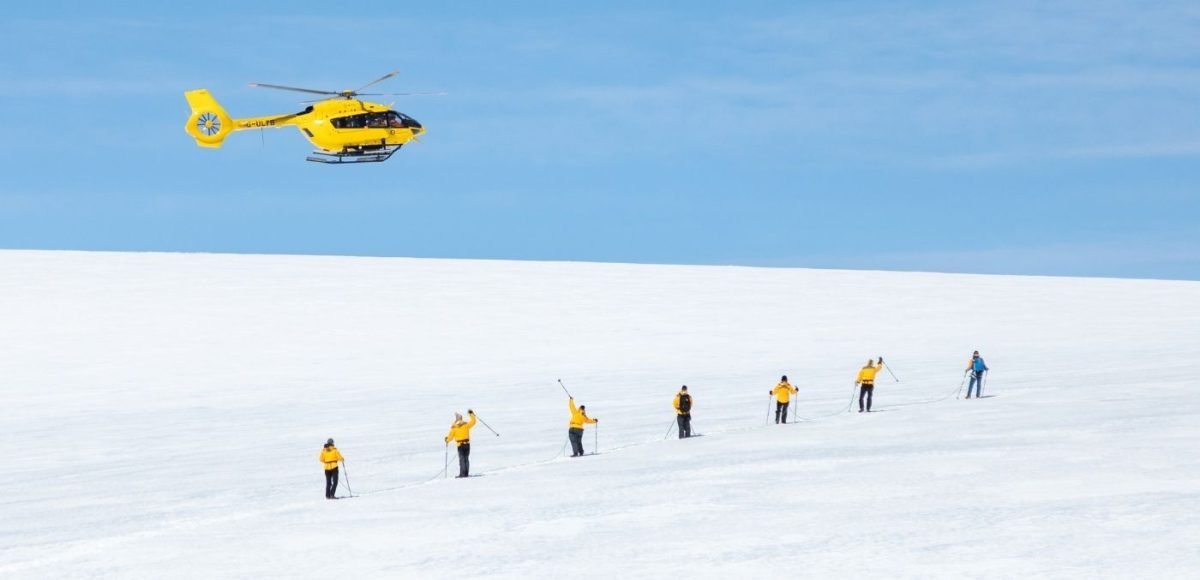
The third option is flying. Flights to Antarctica are extremely rare, costly, and only operated only by a handful of private, highly specialised companies, with no scheduled commercial services available. Travellers can access the continent between November and March on charter flights into the Antarctic Interior and South Pole. Most organisations depart from Chile or South Africa.
11 expedition cruise lines that sail Antarctic itineraries
- Quark Expeditions is a polar‑specialist cruise company focused exclusively on the Arctic and Antarctica, known for its small, ice‑strengthened ships and adventure options.
- Aurora Expeditions operates small‑ship polar itineraries with a fleet built for remote exploration, offering in-depth sailings from the Antarctic Peninsula to East Antarctica and South Georgia.
- Silversea Expeditions delivers ultra-luxury polar cruising, combining high-end service and comfort with exploration. Its ice‑class ships carry guests on Antarctic itineraries including the Peninsula, South Georgia and the Polar Circle.
- HX Expeditions operates sustainable expedition travel with hybrid-powered ships and take guests to environmentally sensitive polar regions with science-focused shore excursions.
- Viking Expeditions brings Scandinavian design, five-star service and science credentials to polar travel aboard its Polar‑class ships.
- Oceanwide Expeditions is a Dutch operator that specialises in intimate, small-ship expedition sailings to Antarctica and the Arctic with a focus on wildlife and remote landing sites.
- Poseidon Expeditions operates smaller vessels on expedition cruises that offer comfort, expert-led education and optional activities such as kayaking, camping and long shore landings.
- Lindblad Expeditions/National Geographic is renowned for its science-focused, educational voyages with naturalists and National Geographic photographers.
- Hapag‑Lloyd Cruises hosts luxury expedition cruising aboard ice-class ships, sailing adventurous routes such as the Weddell Sea, Cape Horn and semi-circumnavigation of Antarctica.
- Atlas Ocean Voyages offers yacht-style polar expeditions aboard its boutique fleet for voyages from seven to 18 nights.
- Chimu Adventures are Polar and Latin America travel specialists that coordinate tours and cruises across both regions.
5 tourism operators that fly into Antarctica
- White Desert is a unique eco-tour company that organises direct flights into Antarctica, luxury accommodation, fine dining and adventurous inland exploration.
- Ultima Antarctic Expeditions hosts tours and provides luxury accommodation in Antarctica with fly-in, fly-out itineraries from Cape Town in South Africa.
- The Polar Travel Company operates organised tour packages including Antarctica expeditions, fly and cruise, and inland fly-in options.
- ALE create bespoke tour itineraries in Antarctica and operates camp services, overland transport and flights on the White Continent. Passenger flights depart from Presidente Carlos Ibañez del Campo airport in Punta Arenas, Chile and land at Union Glacier blue-ice runway. They can also arrange private charter flights.
- Swoop Antarctica is a tourism group that organises cruise, fly and cruise, and fly-in expeditions into Antarctica with more than 15 years of experience crafting bespoke White Continent itineraries.
How much does it cost to visit Antarctica?
Given the remote location of Antarctica, the expertise required to navigate its waters and landscape, and the cost of vessels and equipment required to get there and around, visitors to Antarctica can expect high prices for their expedition. In general, short and standard entry-level expedition cruises are priced from around AUD$10,000 per person. This can vary, depending on the cruise line you choose to travel with, the length of the tour, the time of year, if you require flights from Australia, and the included activities or shore excursions. However, expedition cruises can easily exceed AUD$20,000 per person. Those seeking a chartered fly-in tour package can expect prices around AUD$100,000 or more, depending on operator, tour, time of year and passengers.
What to expect in Antarctica
Tourists arriving in Antarctica typically experience two very different styles of travel. On expedition cruises, visitors can expect guided landings by Zodiac, close-up encounters with penguin colonies and seals, breathtaking views of icebergs and glaciers, and onboard lectures from naturalists, all governed by strict environmental rules and short, carefully managed shore visits. On inland or interior expeditions, travellers should expect far more extreme conditions: flights to remote ice runways, stays at specialised camps, activities like visiting the South Pole or exploring vast ice fields, and a highly controlled, physically demanding environment with limited amenities and constant cold.
White Desert Antarctica is the world’s most remote luxury camp
How to choose the right expedition cruise line for you
Journey to Antarctica from Australia with Aurora Expeditions
Explore Antarctica aboard Scenic Eclipse
This article is a Signature Luxury Travel & Style digital exclusive. Be the first to see more exclusive online content by subscribing to the enewsletter below.