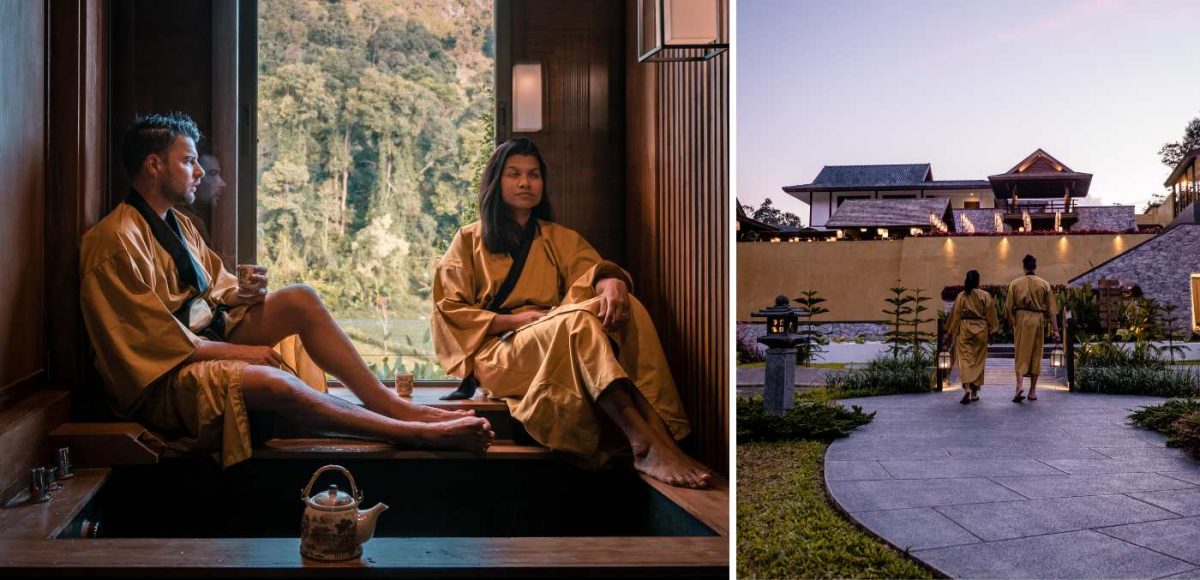





Step aboard the premium GranClass cabin, now available on select Shinkansen services in Japan.
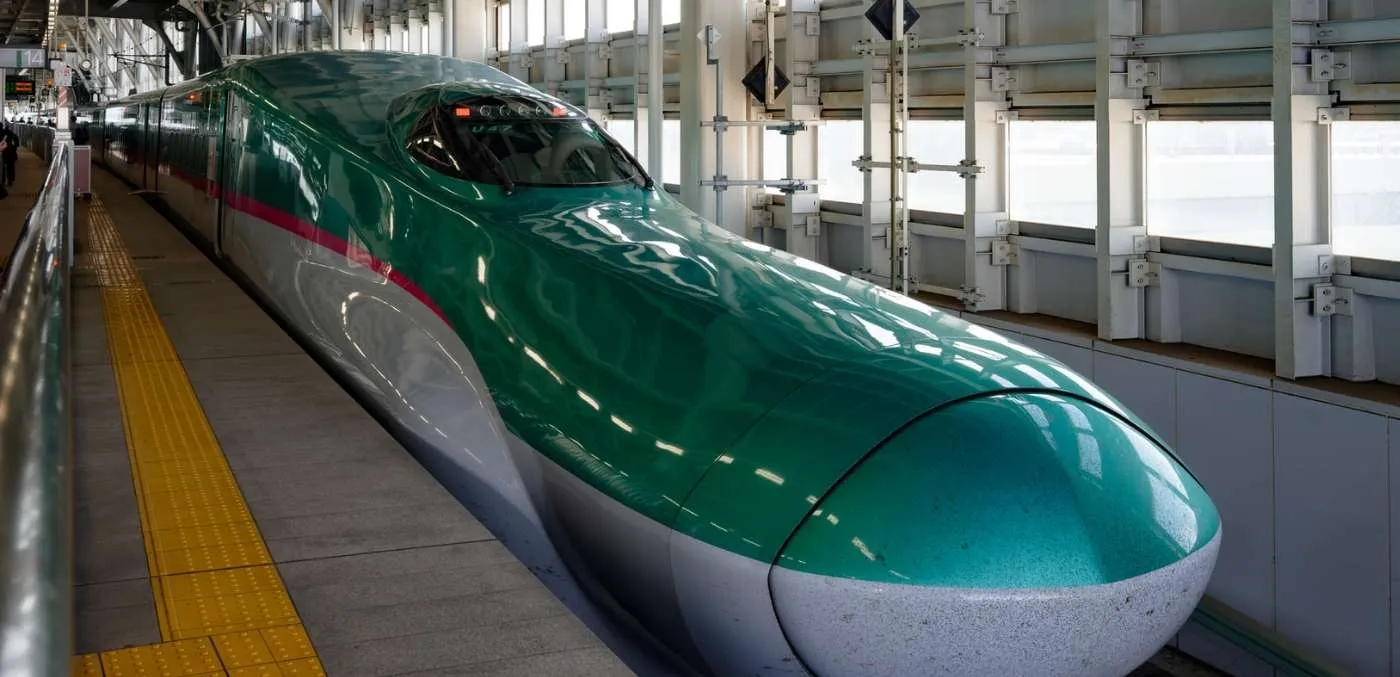
With their aerodynamic bodies and long, tapered noses, Japan’s Shinkansen trains are futuristic feats of engineering, flying along the rails at speeds of up to 320 kilometres per hour. Celebrated for their speed, safety and remarkable punctuality, Japan’s extensive bullet train network links the country’s cosmopolitan hotspots with hidden gems and quiet local enclaves.
Whether you’re embarking upon a workation, a whirlwind sightseeing trip, a nature retreat or simply searching for a peaceful escape, the Shinkansen can take you there swiftly and smoothly, all without the hassle of airports. While most visitors travel along the Tōkaidō or Sanyō Shinkansen routes connecting Tokyo, Kyoto, Osaka and Hiroshima, a handful of select lines offer a more exclusive, first-class experience for passengers seeking something extraordinary: GranClass.
What is GranClass?
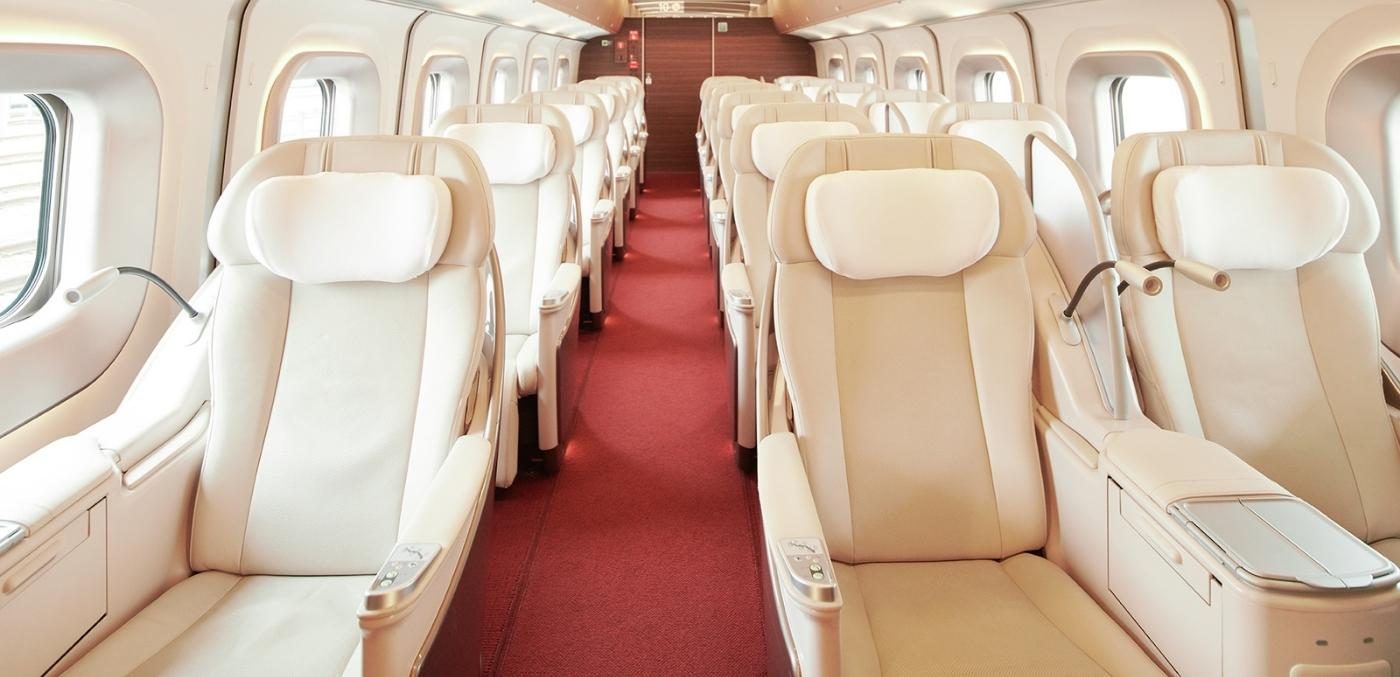
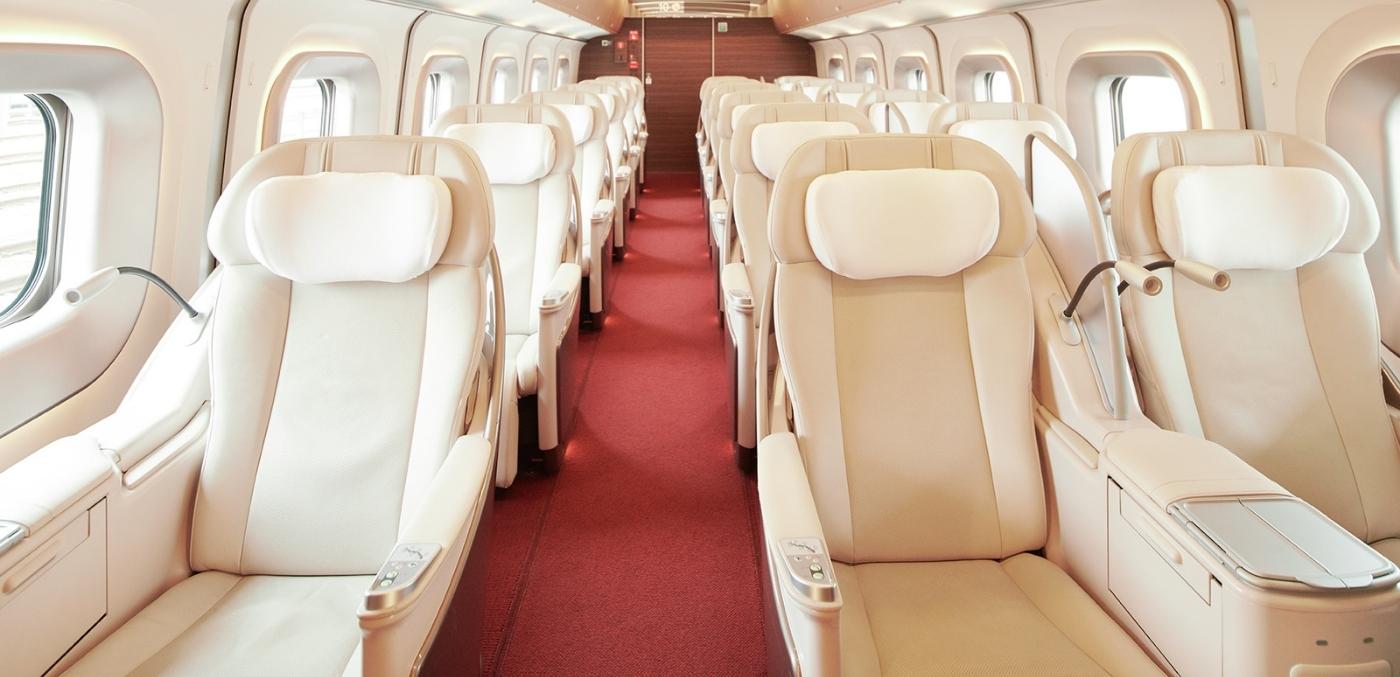
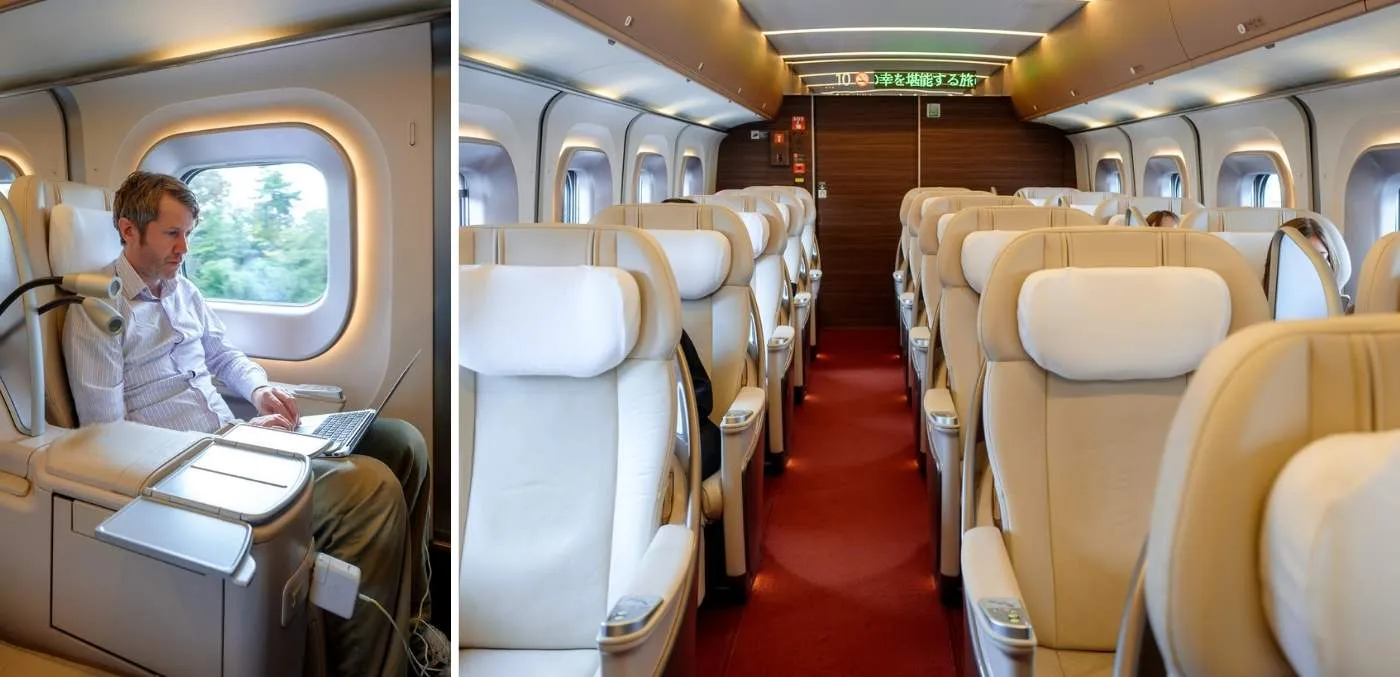
Those experienced in traversing Japan by rail may be familiar with Ordinary and Green Car cabins, offering standard seats and a business class equivalent respectively. GranClass is the highest level of luxurious travel aboard Shinkansen trains. Available only on the Tohoku, Hokkaido, Hokuriku and Joetsu Shinkansen, GranClass is a premium cabin class comprising just 18 seats per car, all of which are recliner-style with extra legroom, positioned in a two-and-one configuration. Most bullet trains with GranClass offer complementary refreshment service and dedicated attendants who greet passengers on the platform and guide them to their cabin. Guests are gifted with a welcome set consisting of bottled water, wet towelettes and a small snack upon arrival.
In each electric seat, the back, seat and leg rest are independently adjustable to ensure ultimate comfort and – much like a plane – each passenger has a personal desk light, power outlets, dining tables, cocktail trays, privacy partitions and call lights for attendants. Wool, leather and timber finishes appear throughout the cabin and across the interior furnishings which, combined with sound-absorbing construction materials, guarantee guests a quiet trip despite the world whizzing by in the blink of an eye just beyond the window.
Is GranClass worth the ticket price?
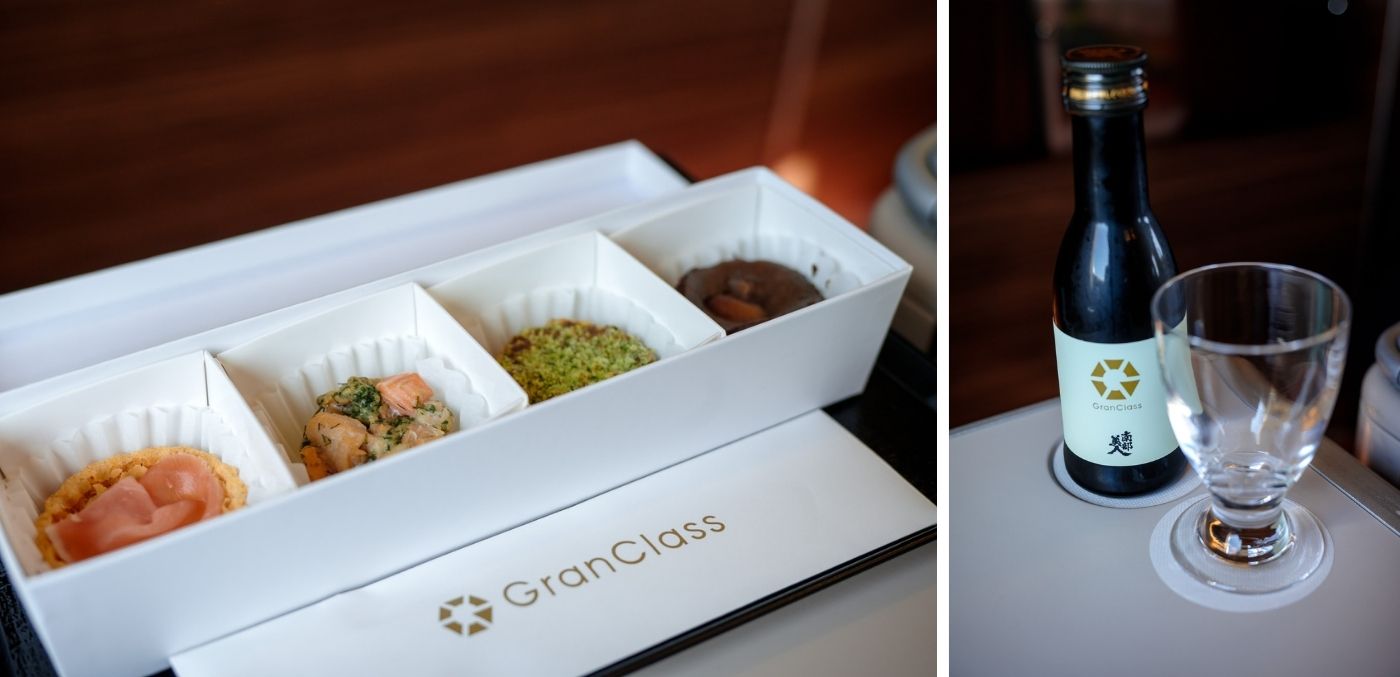
For travellers seeking comfort, privacy, luxury and a unique cultural experience, the answer is often yes. During the journey, attendants provide a choice between Japanese or Western-style multi-course menus served up in bento boxes, featuring bite-sized seasonal meals crafted from local ingredients. The menus change throughout the year, offering everything from Hokkaido salmon, shirasu (whitebait), simmered vegetables and seafood, to tofu fritters, gratins and delicate desserts. The menu is dished up alongside an extensive selection of beverages, including regional wines, sake, beer, cognac and a variety of hot and cold non-alcoholic drinks.
The onboard amenities, including slippers, eye masks, blankets and shoehorns, enhance the experience, giving it a first-class feel at a fraction of the price of flying. While GranClass Shinkansen fares cost more than a regular Shinkansen ticket, the combination of spacious, fully reclining seats, attentive service, elevated dining and enhanced comfort makes it a memorable and worthwhile upgrade, especially for longer journeys across Japan.
Which Shinkansen have GranClass?
GranClass trains run daily from morning through to evening and full GranClass seats, service and amenities are typically available on nearly all Hayabusa trains and Kagayaki trains. Shorter journeys using E5 and H5 trains and E7 and W7 trains have GranClass cabins, but not full service with attendants and meals. These include:
• All Nasuno, Hayate and Yamabiko trains
• All Hayabusa trains departing from Tokyo and bound for Sendai or departing from Sendai and bound for Tokyo*
• All Hayabusa trains departing from Sendai, Morioka or Shin-Aomori and bound for Shin-Hakodate-Hokuto, and all Hayabusa trains departing from Shin-Hakodate-Hokuto and bound for Sendai, Morioka or Shin-Aomori
• Hokuriku Shinkansen (Series E7 and W7) and Joetsu Shinkansen (Series E7)
• Hokuriku Shinkansen: All Hakutaka and Asama trains
• Joetsu Shinkansen: All Series E7 Toki and Tanigawa trains
• Some special trains
How to buy GranClass Shinkansen tickets
The easiest way to reserve GranClass Shinkansen tickets is through the JR-EAST Train Reservation website, which shows availability and whether the train offers full service or a lighter ‘No Beverage/Meal’ option. You can also book online via third-party platforms such as Klook. Alternatively, tickets can be purchased in person at manned JR ticket offices or at automatic ticket machines in major stations.
How much do GranClass tickets cost?
A GranClass ticket on the Shinkansen is made up of three components: the basic fare, the limited express surcharge, and the GranClass surcharge. If you’re travelling with rail passes such as Japan Rail Pass or JR East Pass, only the basic fare is covered, so you’ll need to pay extra for the other two. The final cost can vary depending on the route, season, and time of travel.
Suggested GranClass itinerary
The 3.5-hour Hayabusa service on the Tohoku Shinkansen between Tokyo and Shin-Aomori offers full-service GranClass and the opportunity to discover a lesser-known part of Japan. Aomori is the northernmost prefecture of Honshu Island and boasts a variety of natural beauty and cultural heritage. It’s also the largest apple-producing region in Japan and hosts the famous summer festival of Nebuta Matsuri in August.
Sannai-Maruyama
The Sannai Maruyama Site is one of the largest Jomon Period villages in Japan, inhabited for roughly 1,700 years between about 3900 and 2200 BC. The site once held more than 700 structures, including long pit dwellings, roads, tombs, and dwellings. Today, it remains an active excavation where scientists continue to make new discoveries, such as pottery, stone tools and clay figures, which are on display for visitors.
Azumaya Honten
Azumaya in Morioka City has been serving soba the Iwate way since 1907, specialising in wanko soba, a tradition that embodies Japanese omotenashi hospitality. Guests eat the soba one bite at a time while cheerful servers encourage them with “Hai don don!” Each 15-bowl stack represents a standard serving, and diners who reach 100 bowls receive a commemorative wooden plaque (Tegata), while all others receive a certificate noting their visit and how many bowls they finished.
Nanshoso
Built in 1885 as the residence of Morioka businessman Yasugoro Segawa, Nanshoso features a main house surrounded by a large traditional Japanese garden in the Chisen Kaiyu-shiki Teien style, visible through expansive windows. Opened to the public in 2000, the garden has welcomed more than 450,000 visitors.
Aomori Gyosai Center
Aomori Gyosai Center is a bustling market near Aomori Station where visitors can create their own Nokkedon rice bowl by choosing from a wide variety of fresh local seafood and toppings.
Nebuta Museum Wa Rasse
Featuring full-sized illuminated floats and interactive cultural displays, Nebuta Museum Wa Rasse showcases the artistry and history of the Aomori Nebuta Festival.
A-FACTORY
Offering apple-based products, on-site cider production viewing, tastings, and a curated selection of Aomori-made foods and crafts, A-FACTORY is a stylish waterfront market complex worth a visit.
Shirasawa Senbei Store
Shirasawa Senbei Store is a long-established shop renowned for handmade Nanbu senbei, traditional rice crackers crafted using time-honoured techniques and local ingredients.
Kamasada
Kamasada is a historic maker of Nanbu-tekki cast-ironware, producing refined, durable kettles and cookware that reflect traditional craftsmanship and minimalist Japanese design.
Where to stay: ReLabo Medical Spa & Stay
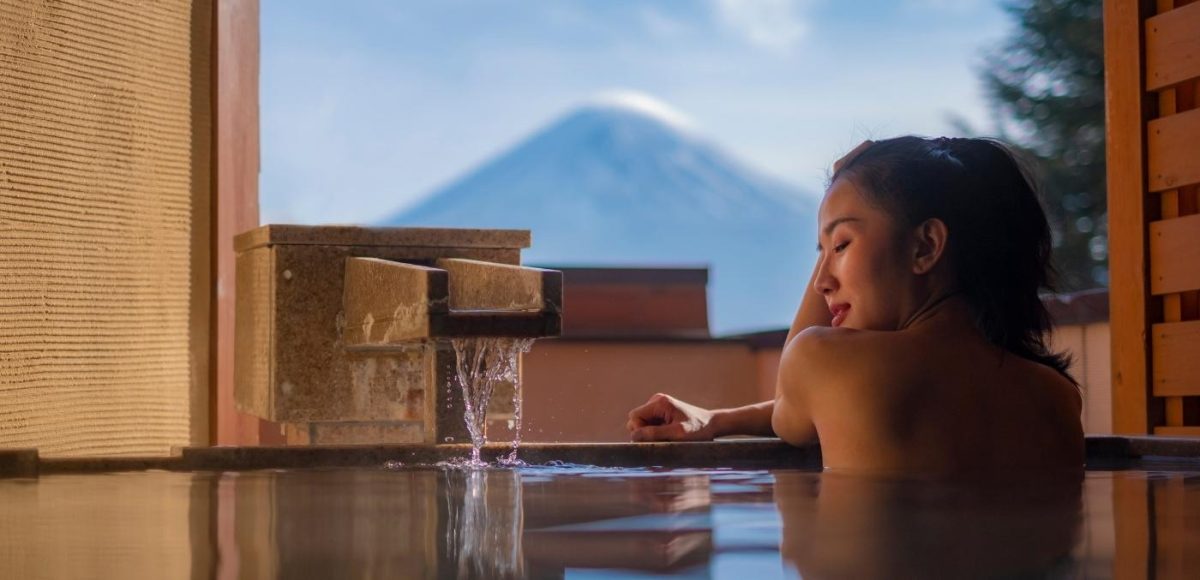
ReLabo Medica Spa & Stay offers spacious, bright rooms for those seeking luxury, along with a holistic range of wellness activities, therapies and dining. The facility features both shared and private onsen baths, with private sessions available by reservation, as well as a standard gym and a yoga studio. Guests can also opt for a dinner plan at En – Aomori French Gastronomy, which serves French cuisine made with local Aomori ingredients.
Read more:
Signature’s curated guide to Japan
Live like a Japanese ruler with a stay at Ozu Castle
Best spas in Japan
The World’s best luxury rail journeys
A guide to Japanese onsen
Guide to Kanazawa
ANA Lounge Haneda Airport review
This article was produced with content supplied by GranClass and is a Signature Luxury Travel & Style digital exclusive. Be the first to see more exclusive online content by subscribing to the enewsletter below.