




From Himalayan dawns to jungle safaris and ancient cities, Nepal reveals itself as a land where the wild and the sacred are inseparable, writes Cathy Wagstaff.
Kathmandu
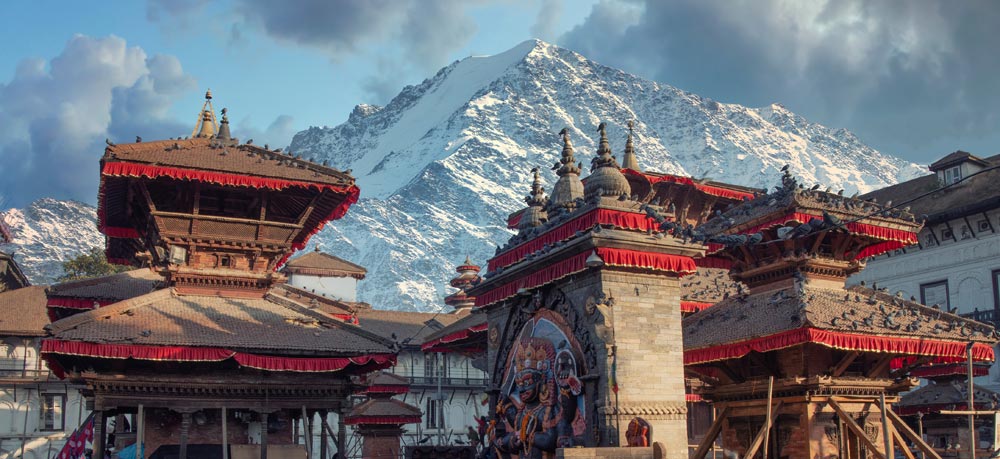
Kathmandu is a city that wears its heritage in plain sight. Carved wooden windows lean over narrow alleys, incense drifts from shrines tucked into courtyards, and medieval temples rise beside markets that pulse with life. This valley is home to seven UNESCO World Heritage Sites, a density of history and devotion that few places on earth can rival.
Amid the colour and chaos, Dwarika’s Hotel offers a retreat into that very legacy. Every hand-moulded brick, carved window and salvaged timber beam carries the imprint of the 13th-century artisans. It is little wonder the hotel has earned a UNESCO Asia-Pacific Heritage Award, one of only two in Nepal. Dinner is at Krishnarpan, the hotel’s acclaimed restaurant, where each menu unfolds like a ritual rather than a meal. Dishes arrive in graceful procession: lentil-rich dals, delicate momos, aromatic curries and saffron-laced sweets, each plate carrying the flavours of a region, a community, a history. It is a feast that mirrors the journey itself – complex and steeped in tradition, best savoured slowly, in the present moment.
More than a sanctuary, Dwarika’s is the perfect base from which to explore the capital, a place where the city’s living traditions are not just admired, but experienced.
Bhaktapur is a living museum of medieval art and architecture. In Durbar Square, the Palace of 55 Windows looms with intricate latticework, while the five-storey Nyatapola Temple rises as Nepal’s tallest pagoda. Markets buzz with potters, weavers and spice sellers.
In Patan, the City of Fine Arts, the Patan Museum preserves treasures restored in collaboration with UNESCO. Through Ventours, our group is granted a rare privilege, a blessing from the Living Goddess Kumari, who resides in her traditional house nearby. Her presence feels both ethereal and grounding.
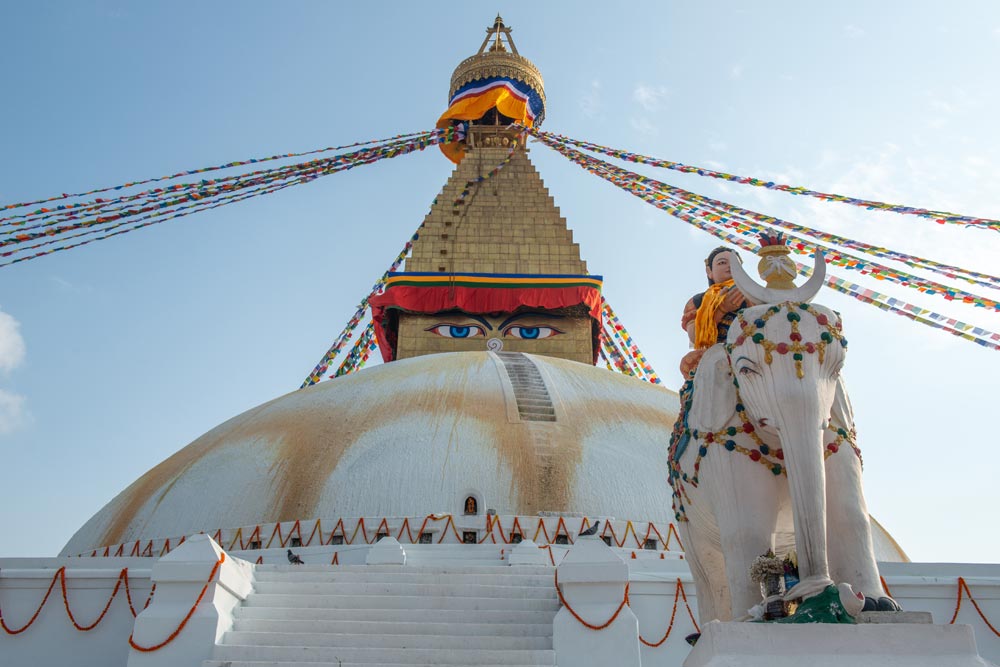
At Boudhanath Stupa, a great white dome rises against the sky, its painted eyes gazing serenely in every direction. Prayer flags ripple in the breeze, monks circle in endless procession, pilgrims spin prayer wheels inset along the base. First established in the 7th century, it became a bastion of Tibetan culture after thousands of refugees settled here in 1959. Today it remains one of the most sacred places in the Buddhist world.
Around the stupa, alleys are lined with Thangka painting workshops and craft stalls. I slip into one to purchase a Mandala, a vivid circle of colour and geometry, from an artist who explains how each line is as much meditation as it is art. Many of these workshops also serve as restoration centres, where generations of artists safeguard sacred paintings using age-old techniques.
Pokhara
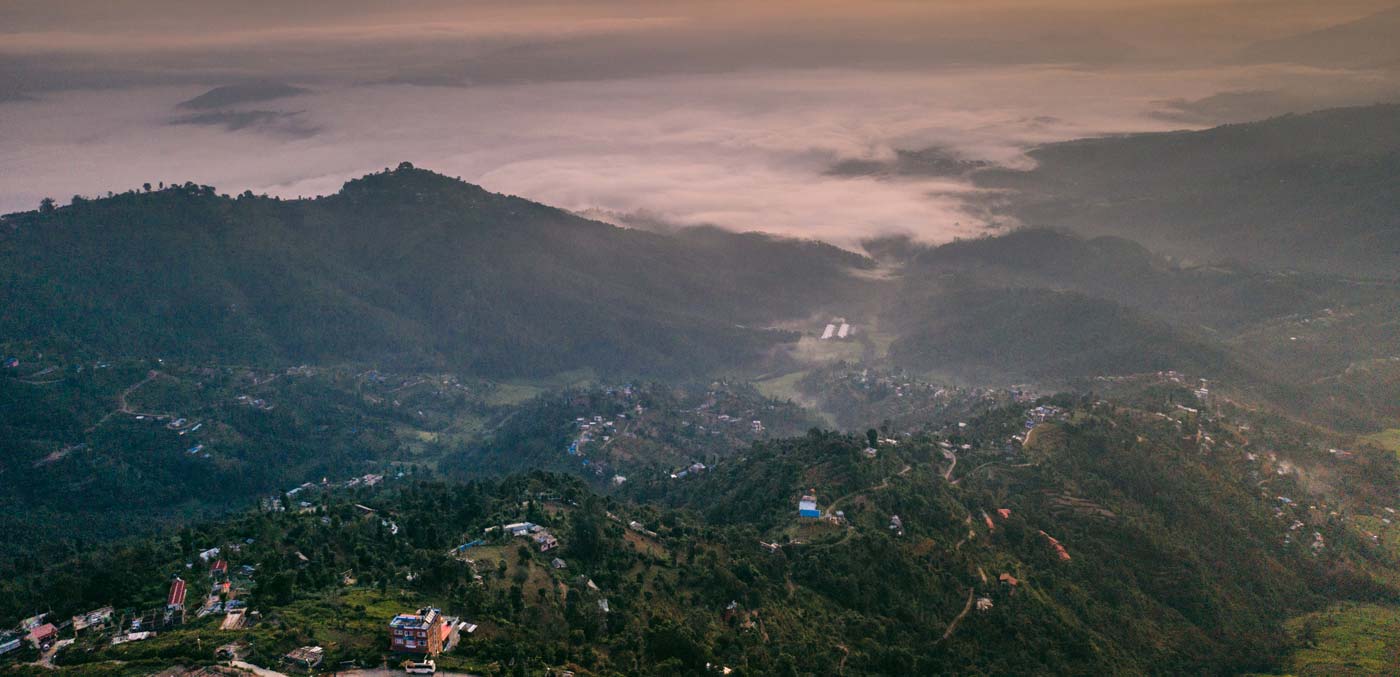
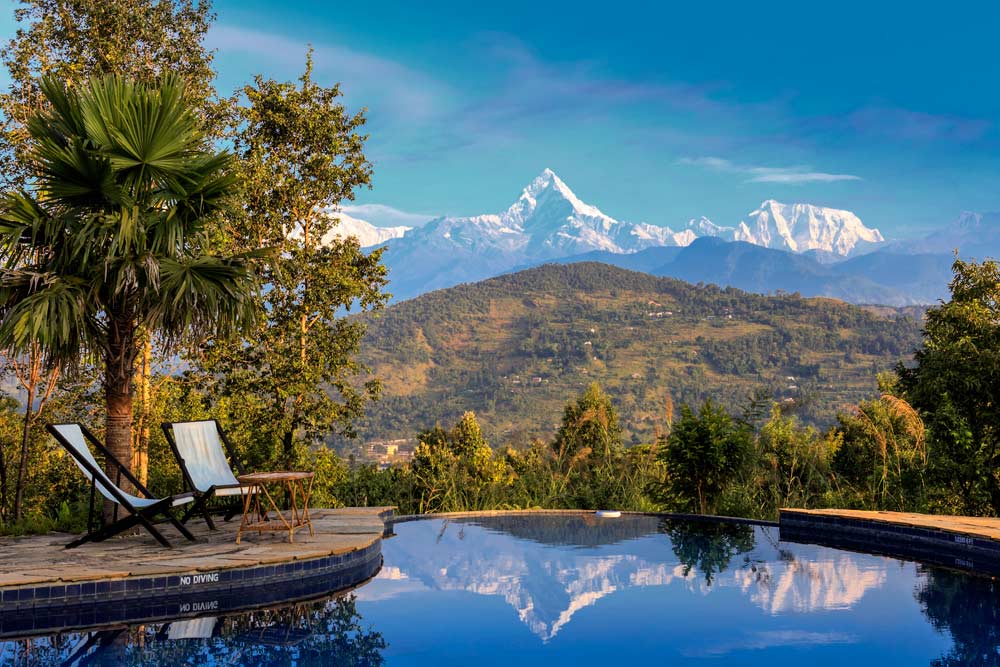
From the moment that I arrive in Pokhara, the mountains rule. The valley itself sits at just 800m above sea level, yet from here the Annapurnas rise to more than 8000m, so close they feel like neighbours. Nepal is home to eight of the 10 tallest peaks in the world, Everest chief among them and even the ‘smaller’ summits feel monumental.
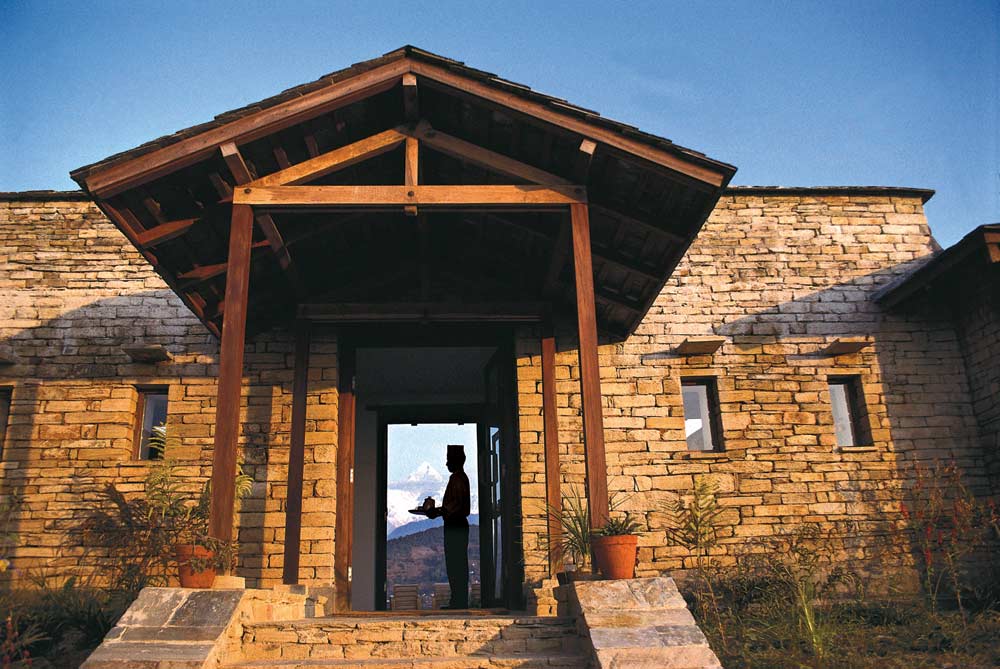
At Tiger Mountain Pokhara Lodge, perched high in the valley, the jagged range is the first and last thing I see each day. At dawn a discreet knock at the door beckons me outside. The mountains are still grey in shadow, then, one by one, they ignite, a cascade of gold spilling across Machapuchare and Annapurna.
Aside from a nearby village, the lodge is the only sign of life, lending spaces an almost monastic quiet. One morning I follow a trail used by locals, winding through fields where goats wander the narrow paths and their owners pause to greet us warmly. Others in my group, coordinated by Ventours, choose longer hikes into the Annapurnas, or simply stretch out on shaded terraces with a gin and tonic as the day softens into evening.

Chitwan National Park
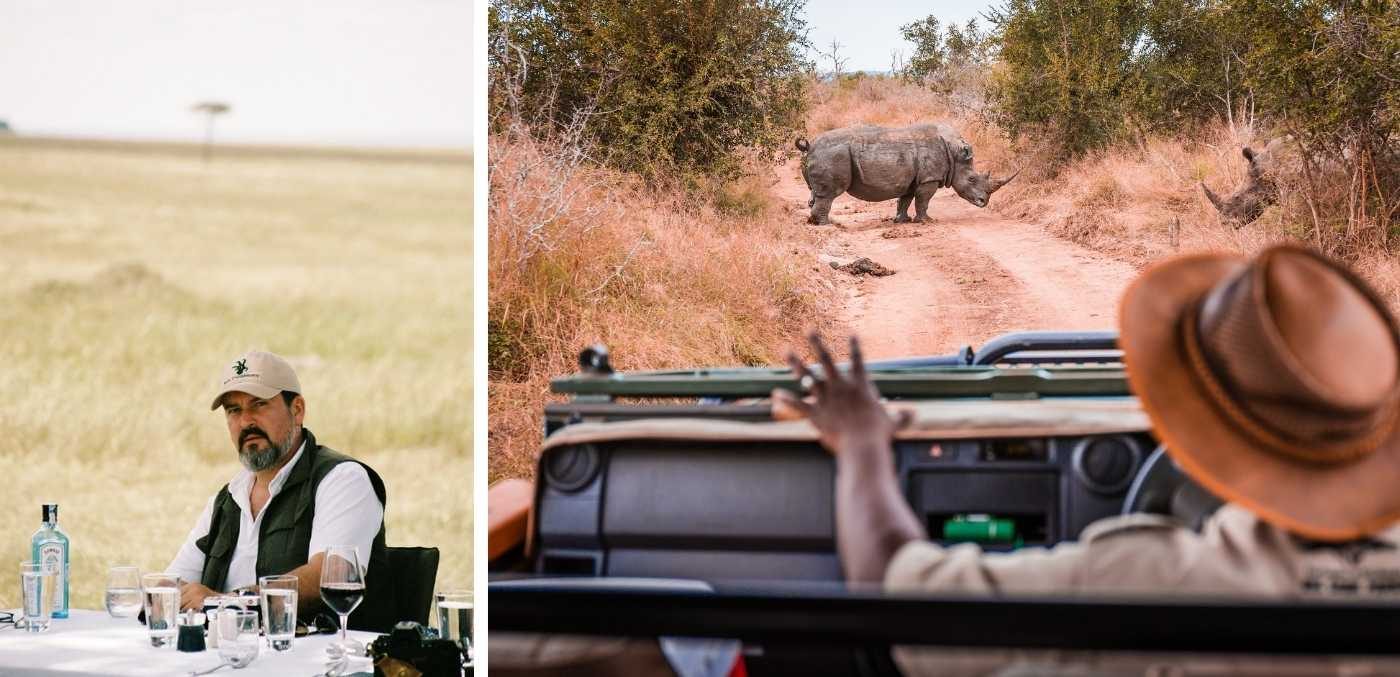
From the highlands I descend to the low, catching a short flight to Bharatpur, gateway to Chitwan National Park. The landscape changes dramatically: elephant grass sways above head height, sal forests press against the river and the air is heavy with the scent of the tropics.
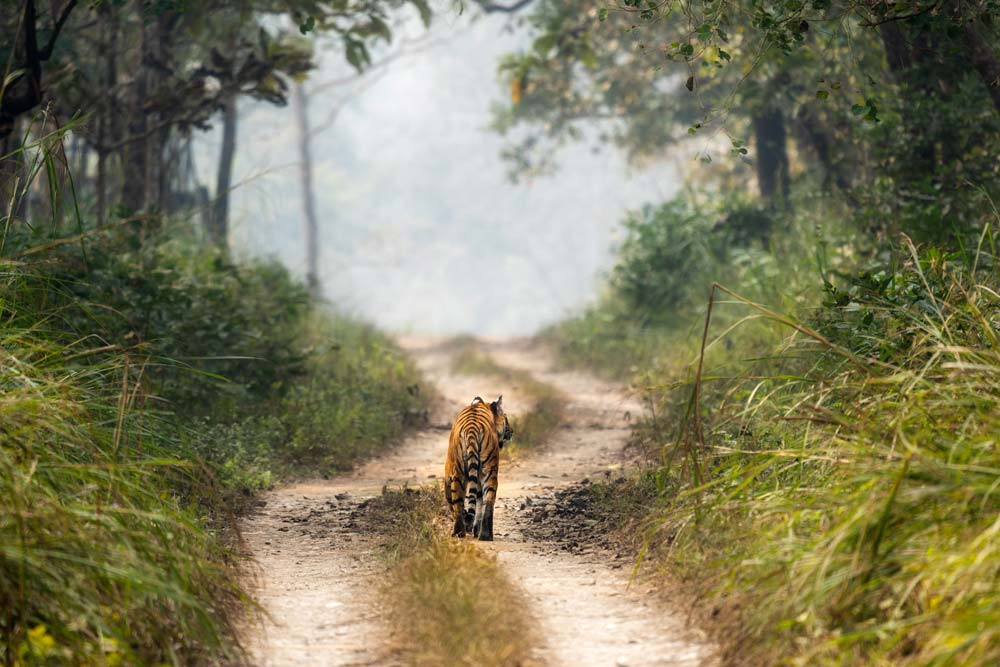
Our base is Sanctuary Resort, tucked along the Narayani River. Its villas are arranged around a courtyard in the style of a family compound. Chitwan itself is a conservation story written in both tragedy and triumph. Once a royal hunting ground where King George V and his party infamously shot 39 tigers and 18 rhinos in a single expedition, Chitwan is now a UNESCO World Heritage site and one of Asia’s most successful reserves. Some 95,000 hectares of forest protects endangered species including the one-horned rhinoceros, gharial crocodile and, most elusive, the Bengal tiger.
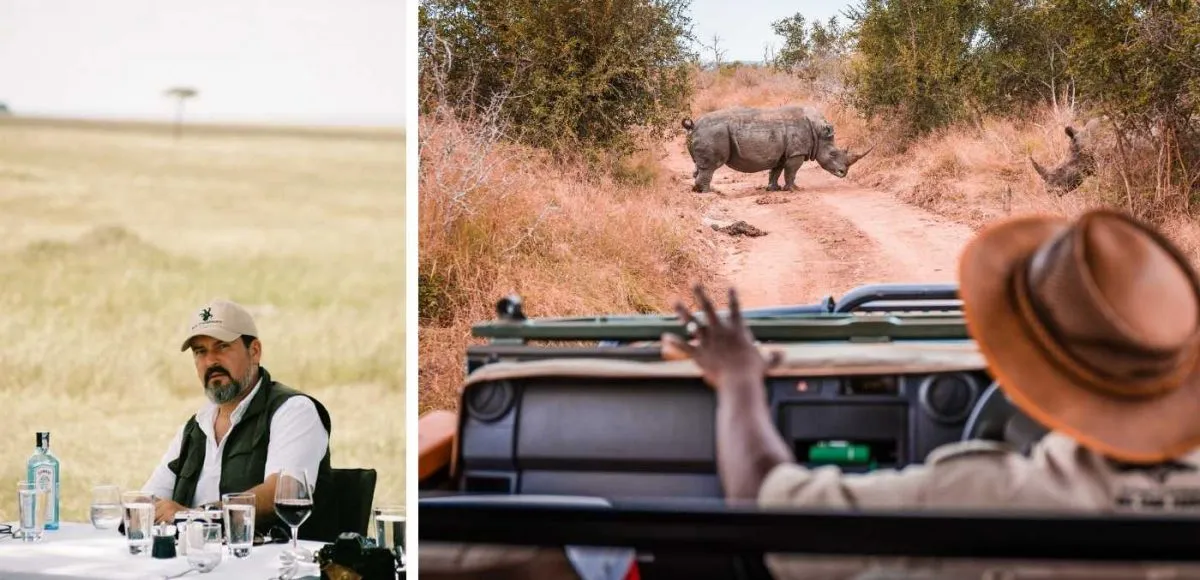
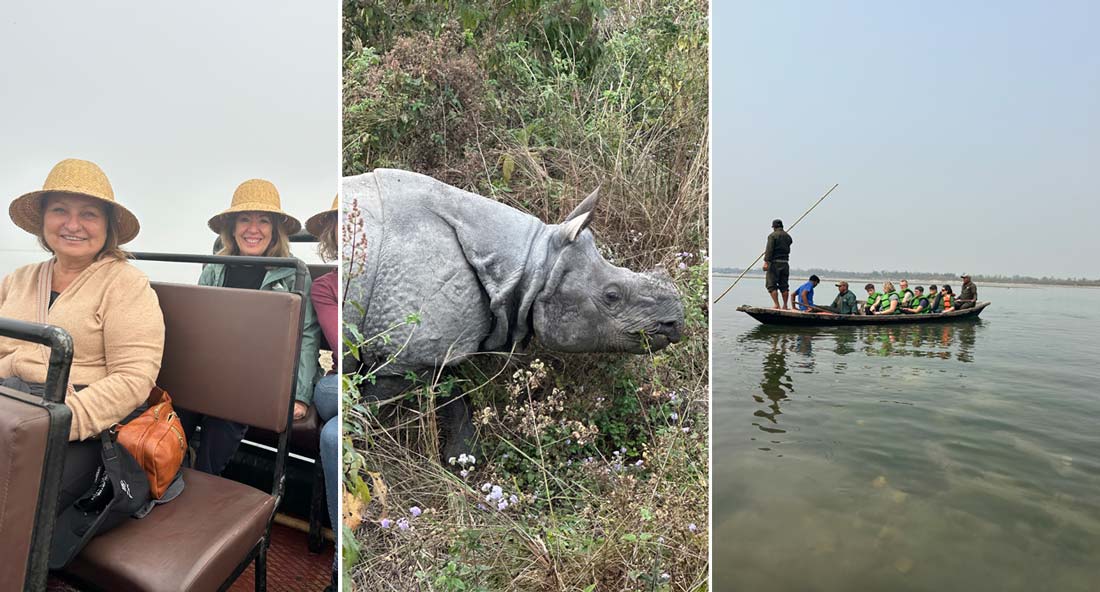
Our days are punctuated by safari. In jeeps, we rattle along jungle tracks, eyes scanning for movement: a flash of striped fur, the sudden bulk of a rhino, a sloth bear scurrying away.
At dawn, we slip into dugout canoes as mist rises ghostlike from the river. Kingfishers dart across the water while crocodiles lie motionless on the banks. Evenings bring Tharu drums and dancers swirling in firelight, the air alive with woodsmoke and spice.
Dhulikhel
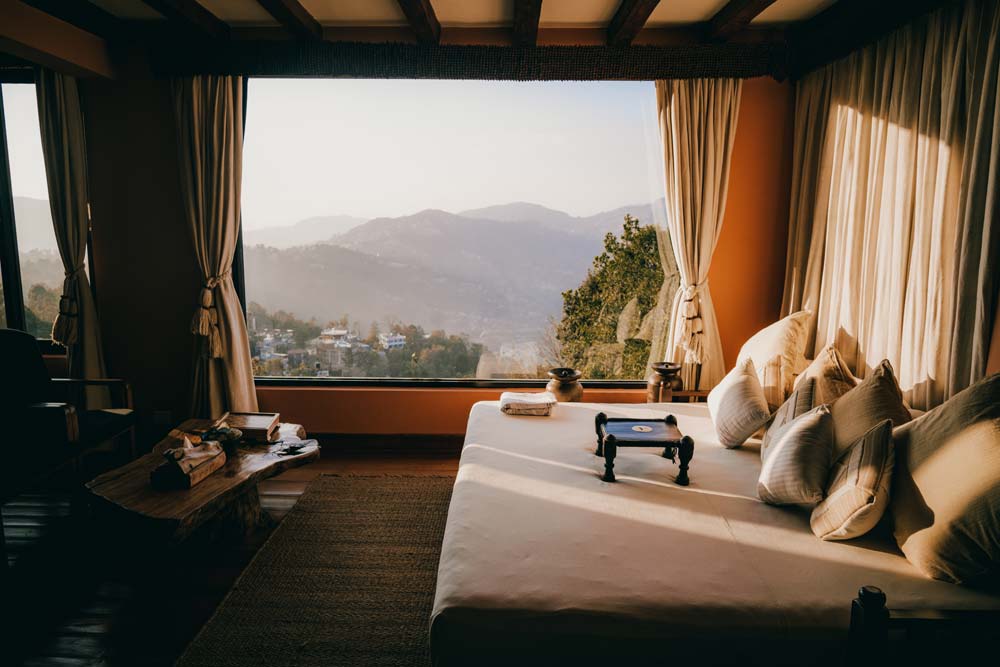
Home for the next two nights is Dwarika’s Sanctuary, a magnificent spiritual retreat. Designed like a Nepali village, it offers transformative spaces such as the Himalayan Salt House, crystal and chakra sound chambers; a meditation maze surrounded by Shiva lingams; and a Himalayan rock-crystal chamber for mindful reflection.
From here, some of our group embark on a heli-flight to Everest. With only six seats available, I remain behind, but the stories they return with are spellbinding: soaring above the world’s highest peak before descending onto a snowy ridge, where a table has been set with white linen, silverware and chilled champagne. To sip Moët at the top of the world is an experience few can claim, and their joy is infectious.
Cathy Wagstaff travelled to Nepal & Bhutan as a guest of Ventours International and Journeys Representation.
Ventours International Travel
Founded in 1986, Ventours International Travel emerged to create truly bespoke journeys rooted in passion, expertise, and local insight. As the leading operator of trips into Bhutan and Nepal, Ventours offer unmatched presence in the region and with meticulous quality control to ensure every detail of your journey is seamless, guided by our passion, deep local insights, and relentless pursuit of excellence. At Ventours, every itinerary is a handcrafted masterpiece, from private dinners with royalty and champagne breakfasts overlooking Mount Everest to exclusive wildlife safaris and spiritual encounters. Trusted by distinguished partners such as National Geographic Private Jet Expeditions, TCS World Travel, Oceania Cruises, Guggenheim and Met Museums and other leading institutions, Ventours prides itself on creating immersive, personalised experiences across South Asia.
This article originally appeared in volume 52 of Signature Luxury Travel & Style magazine. Subscribe to the latest issue today.